









Substance Over Spectacle
by: BTM - Mon, 05 Jan 2026
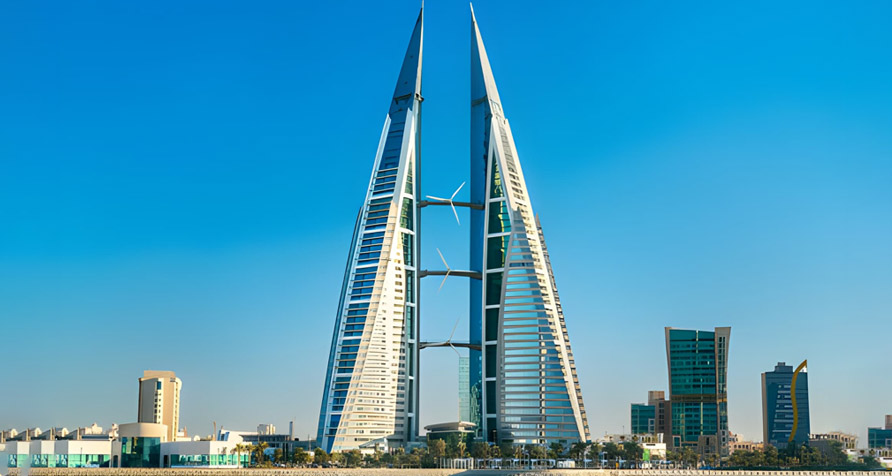
With each passing year, the Kingdom’s reputation as a place to build licensed, operational and regionally relevant businesses continues to strengthen. Bahrain’s 2026 start-up landscape is defined not by volume, but by maturity. Founders are building businesses with clearer revenue models, stronger governance and a more realistic approach to regional expansion.
Infrastructure Over Hype
Fintech remains one of Bahrain’s strongest start-up pillars, but its character has evolved. The focus is no longer on rapid disruption, but on building the rails that allow financial systems to function more efficiently.
Companies such as Rain, which operates as a Central Bank of Bahrain licensed crypto-asset service provider, illustrate how regulated digital finance can scale from a Bahraini base. Its trajectory reflects a broader shift across the ecosystem, where compliance and credibility are treated as competitive advantages rather than obstacles.
Open banking is another area where Bahrain continues to lead. Tarabut Gateway, which emerged through the regulatory sandbox, has helped position the Kingdom as a hub for API-driven financial infrastructure. Heading into 2026, newer fintech start-ups are increasingly building tools for banks, SMEs and financial institutions—rather than chasing mass consumer adoption.

Beyond The Storefront
E-commerce in Bahrain has reached a more sophisticated stage, where growth depends less on launching new platforms and more on strengthening what sits behind them. Payments, settlement and merchant enablement are now central to how the sector evolves.
BenefitPay, operated under BENEFIT, plays a foundational role in this ecosystem, enabling secure local payments that support both consumers and businesses. Its widespread adoption has lowered barriers for SMEs and start-ups, making it easier to operate digitally without heavy infrastructure costs.
Looking ahead to 2026, the most promising opportunities lie in back-end solutions. Inventory management, customer analytics and omnichannel retail systems are becoming areas of focus, particularly for fashion, food and lifestyle brands. These businesses are often less visible to consumers, but form the backbone of a more resilient digital commerce landscape.
Smarter Trade Systems
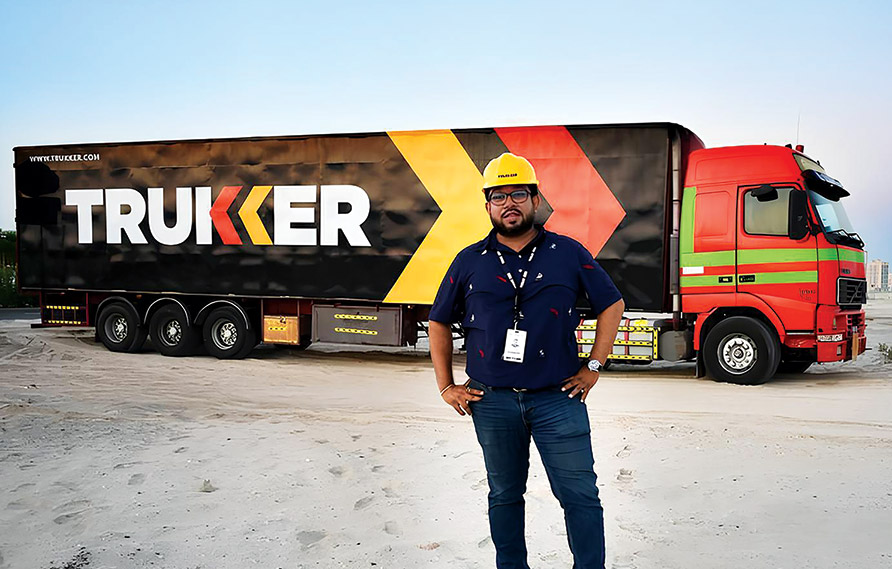
Bahrain’s location and transport infrastructure continue to shape its start-up opportunities in logistics and trade technology. Rather than competing with large regional operators, start-ups are increasingly positioning themselves as specialised service providers within wide supply chains. Bahrain’s logistics and trade-technology landscape is increasingly shaped by enablers that prioritize efficiency, transparency and smarter coordination.
Regional platforms such as TruKKer, which maintains a presence in Bahrain, reflect this model. Technology-led freight and fleet management solutions are designed to integrate into existing supply chains, solving specific pain points around utilisation, tracking and speed.
As 2026 approaches, logistics start-ups in Bahrain are expected to remain focused and specialised, building scalable solutions that connect the Kingdom more seamlessly to wider GCC trade flows.
Sustainability In Practice
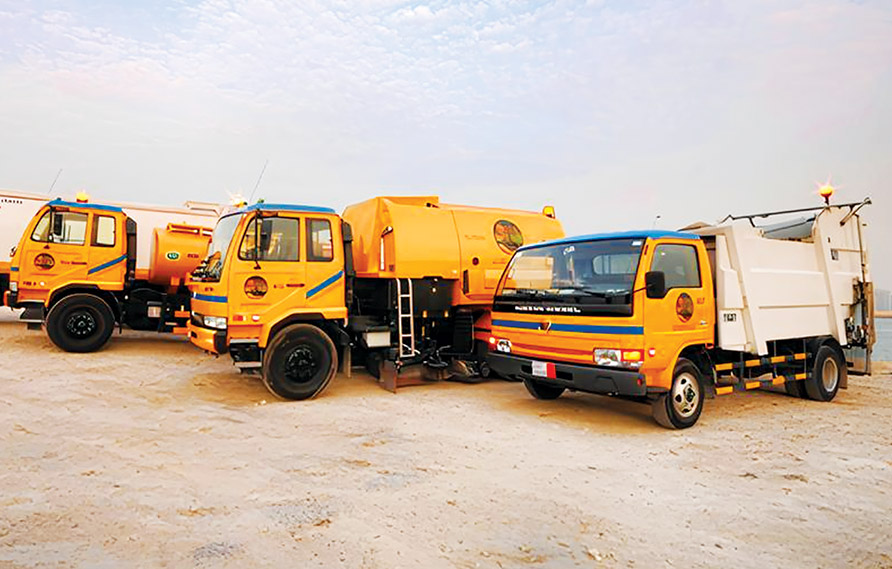
Sustainability-led entrepreneurship in Bahrain is becoming more pragmatic. Environmental considerations are increasingly treated as operational challenges that require ongoing services.
Waste management, recycling and cleaning services are areas where commercial models are taking shape. Companies such as Gulf City Cleaning Company W.L.L. highlight how sustainability-linked services can operate at scale, working with both public and private sector clients.
This reflects a broader shift for 2026. Start-ups entering the sustainability space are aligning environmental goals with measurable outcomes, building businesses that address real demand while supporting national priorities around efficiency and resource management.
Experience Over Experimentation
One of the clearest shifts in Bahrain’s start-up ecosystem is the changing profile of its founders. Increasingly, new ventures are led by professionals transitioning from banking, telecoms, logistics and consulting. This brings a more structured approach to company building, with an emphasis on governance, partnerships and long-term viability.
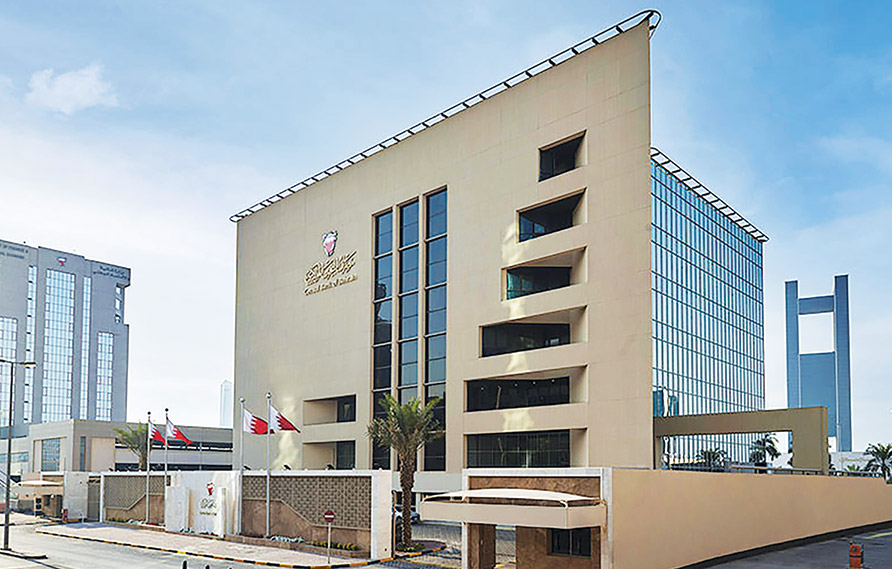
Bahrain’s relatively compact ecosystem remains an advantage here. Access to regulators, decision-makers and support institutions such as the Central Bank of Bahrain allows founders to move quickly while staying aligned with regulatory expectations.
A Measured Advantage
Bahrain’s start-up forecast for 2026 favours substance over spectacle. Companies already operating within the ecosystem demonstrate the impact of aligned regulation, infrastructure and founder maturity. The Kingdom’s advantage lies in its ability to support start-ups that are innovative, credible and built to endure.
Digital Edition
Bahrain This Month
October 2026
Related Articles

A Bigger Football Stage
Mon, 05 Oct 2026

Mindful Money Matters - The Many Values of Money
Mon, 05 Oct 2026

Making Money Make Sense
Mon, 05 Oct 2026
