






Savouring Italy
by: BTM - Thu, 13 Nov 2025
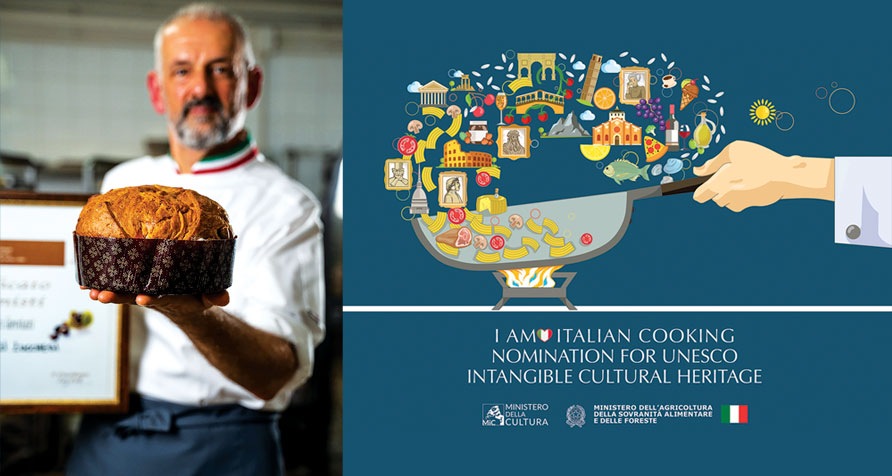
The Embassy of Italy in Bahrain and the Italian Trade Agency (ITA) Celebrate Italian Cuisine in November: A Living Culture Between Tradition and Innovation, Health and Sustainability
Italian cuisine is universally recognised as one of the most influential and beloved in the world. However, reducing it to a mere expression of taste would be profoundly limiting. It is, in every sense, a living form of material culture: a collective language that expresses identity, territory, social relationships, and knowledge passed down through time. Its candidacy for recognition as UNESCO Intangible Cultural Heritage is precisely intended to honour this richness.
Every Italian dish tells a story: from northern risottos to southern pastas, from rustic soups to coastal seafood preparations, the regional variety is extraordinary. It reflects biodiversity, climate, local resources, and traditional know-how. The intergenerational transmission of techniques and recipes, often rooted in family contexts, has ensured the continuity and evolution of a culinary heritage that blends craftsmanship, creativity, and precision.
Beyond its identity dimension, Italian cuisine stands out for its ability to innovate while remaining anchored in the quality and simplicity of its ingredients. Today, in response to society’s evolving needs, chefs, agronomists, and nutritionists are rewriting the Italian gastronomic lexicon by integrating food technologies, reviving forgotten local varieties, and adopting more sustainable production processes. The growing use of long-forgotten flours, low-temperature cooking techniques, and the revival of ancestral culinary traditions are just some of the innovations gaining ground. The goal is never to betray tradition, but to adapt it to a modern context with care and respect.
Sustainability has also taken centre stage. The Italian approach to cooking, based on seasonality, portion balance, and respect for raw materials, offers a replicable model for reducing food waste, minimising ecological footprints, and promoting more resilient agri-food systems. Creative reuse of leftovers, preference for local products, and the centrality of “homemade” practices are not only culturally rooted but also scientifically supported in terms of positive environmental impact.
Italian cuisine serves as a tool for public health. Traditional preparations rich in plant-based foods provide dietary fibre and unsaturated fats, aligning with major international nutritional recommendations and helping to prevent chronic diseases such as obesity, hypertension, and metabolic disorders. Moreover, the use of herbs such as basil, parsley, mint, sage, thyme, oregano, bay leaf, and chilli pepper, which often define the distinctive flavour of Italian dishes (like basil in Genoese pesto), helps reduce salt usage during preparation and consumption. Scientific evidence confirms that excessive dietary salt plays a significant role in the onset of hypertension, one of the most critical cardiovascular risk factors. To fully enjoy these benefits, always ensure the product bears the Made in Italy label, as counterfeit imitations are widespread and can mislead consumers.
Perhaps the most enduring value of Italian cuisine lies in its social function. Preparing, sharing, and consuming food is a daily act that strengthens family and community bonds, fosters intercultural dialogue, and reinforces a sense of belonging. It is also an educational space where one learns manual skills, seasonality, resource respect, and food awareness.
In conclusion, Italian cuisine today represents a dynamic synthesis of heritage and experimentation. It embodies memory and future, flavour and well-being, local roots and global openness. It is a living heritage, capable of adapting to the challenges of our time without losing authenticity, and continues to nourish not only bodies but also minds and cultures.
Celebrating Italian Culinary Heritage in Bahrain
To honour this vibrant tradition, the Embassy of Italy in Bahrain and the Italian Trade Agency (ITA) are hosting a series of events throughout November. These include masterclasses, film screenings, and tastings, generously supported by The Domain Hotel and Spa, Ristorante Sapori di Toscana, SITAF, Chtaura, Lulu Hypermarkets, and Restaurant Del Bosco.
Stay updated by following the Embassy’s social media: @ItalyinBahrain
Tags #italian cooking masterclasses bahrain #authentic made in italy products #sustainable italian food culture #healthy italian diet middle east #unesco italian cuisine heritage #italian food festival bahrain #italian trade agency bahrain #embassy of italy bahrain #Italian cuisine Bahrain #btm november 2025
Digital Edition
Bahrain This Month
October 2026
Related Articles
Chef’s Cut - Chef Chao Ding
Mon, 05 Oct 2026

Hola, Seef: A Waterfront Weekend at Barceló Bahrain
Fri, 04 Sep 2026
The Spice Route
Mon, 03 Aug 2026
Videos


