









Partners Through Time
by: BTM - Mon, 03 Aug 2026
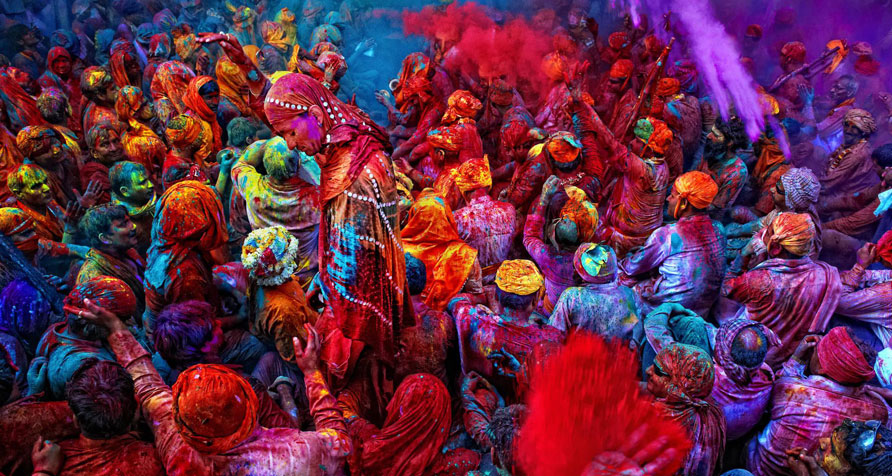
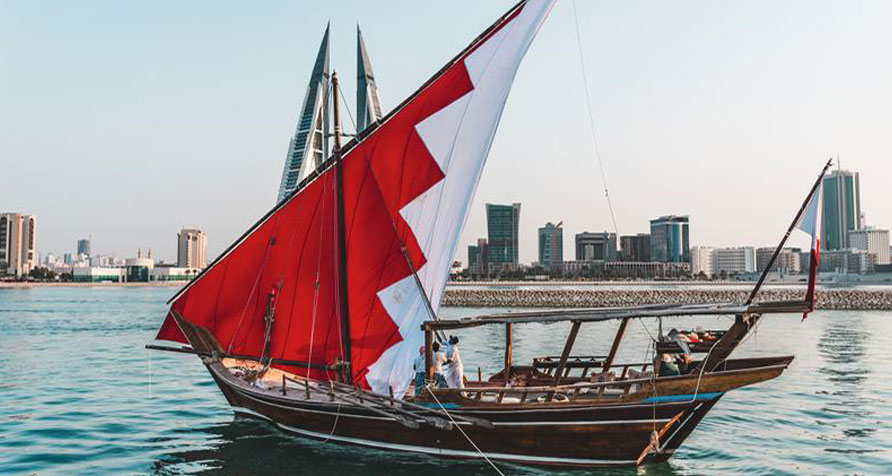
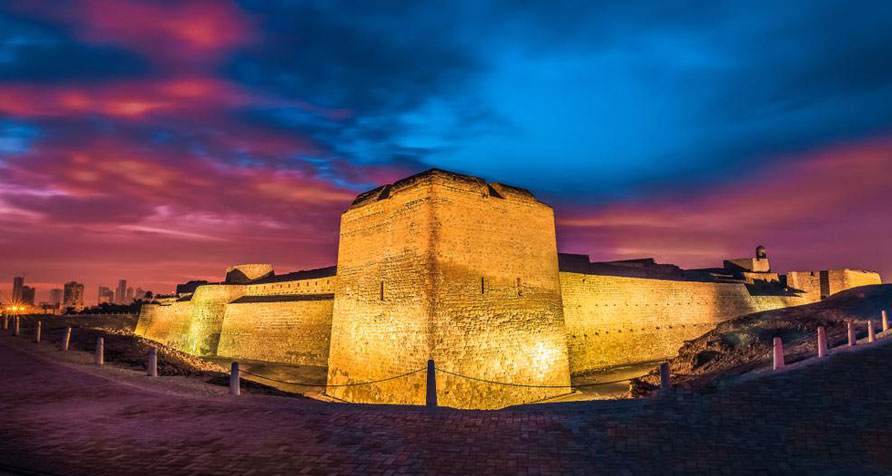
For more than 5,000 years, Bahrain and India have been connected by far more than trade routes. Linked by the waters of the Arabian Gulf and the Arabian Sea, the two nations have built a relationship founded on commerce, cultural exchange and mutual trust, one that has endured through changing empires, evolving economies and generations of people.
Ancient Foundations
The story begins with the ancient civilisation of Dilmun, centred in present-day Bahrain, and its extensive trade with the Indus Valley Civilisation along India’s west coast. Merchant vessels carried Bahrain’s prized natural pearls eastward, returning with spices, textiles and other valuable goods. These maritime routes established Bahrain as an important commercial gateway linking Mesopotamia with the Indian subcontinent.
As Bahrain’s reputation as the world’s leading source of natural pearls grew, Indian merchants became central to the Kingdom’s flourishing pearling industry. Trading families, particularly from Gujarat and India’s western coast, helped connect Bahraini pearls with international markets while establishing lasting commercial and community ties that contributed to Bahrain’s cosmopolitan character.
The relationship became so deeply rooted that, during Bahrain’s time as a British protectorate, the Indian Rupee served as legal tender in the Kingdom until 1965, reflecting the close commercial ties between the two economies.
From Commerce to Partnership
While pearls may no longer define Bahrain’s economy, the spirit of exchange that first united the two nations remains unchanged.
Today, India is consistently one of Bahrain’s largest trading partners, with bilateral commerce spanning aluminium, petroleum products, engineering goods, machinery, food products, electronics and jewellery. What began as maritime trade has evolved into a partnership encompassing finance, healthcare, education, technology, hospitality and tourism.
Alongside this economic relationship, people remain at its heart. The Indian community, one of the largest expatriate communities in Bahrain, has played a significant role in the Kingdom’s development for generations. Professionals, entrepreneurs, educators, engineers and healthcare workers continue to contribute across virtually every sector of Bahraini society, reinforcing ties that extend far beyond government agreements.
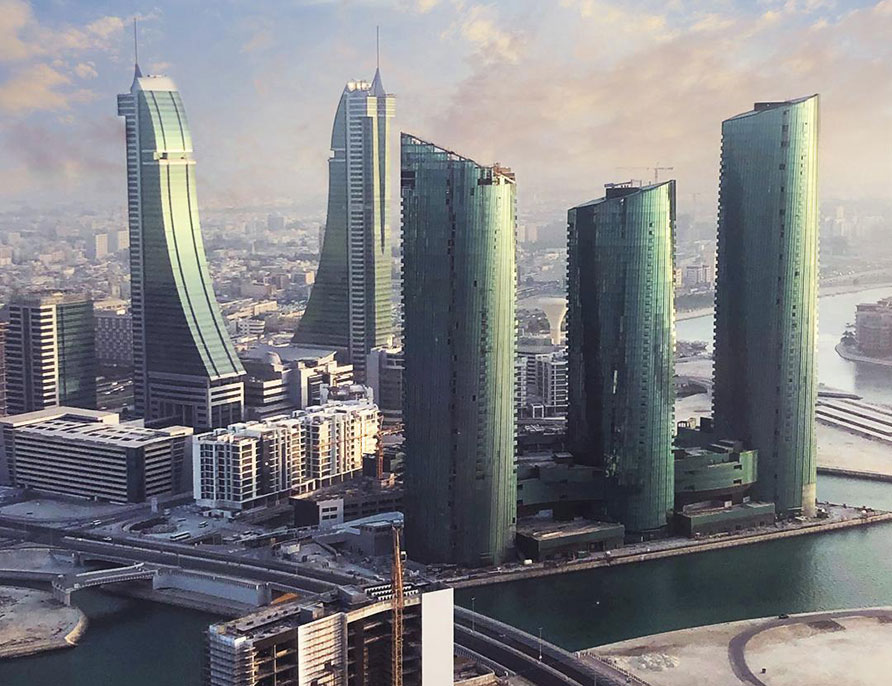
Building Together
As both nations have diversified their economies, their partnership has expanded into areas that would have been unimaginable to the merchants who first crossed the Gulf centuries ago.
Healthcare has become an important area of cooperation, with Indian medical expertise playing a significant role in Bahrain’s healthcare landscape. KIMSHEALTH’s presence in Bahrain through Royal Bahrain Hospital is one example of how the relationship has evolved from the exchange of goods to the exchange of knowledge, specialist expertise and long-term investment.
Education has followed a similar path. Generations of students have passed through institutions such as The Indian School Bahrain, while academic partnerships, professional training and research collaborations continue to strengthen educational links between the two countries. Many Bahrainis also pursue higher education in India, particularly in medicine and engineering.
Recent bilateral agreements have also identified fintech, digital transformation, artificial intelligence, renewable energy and space technology as priority areas for future cooperation, reflecting the shared ambition of both countries to build knowledge-based economies. Cooperation has similarly expanded into maritime security, sustainability and wider regional affairs, underlining the breadth of the modern partnership.
A Shared Culture
Beyond economics, culture continues to bind Bahrain and India together.
The historic Shri Krishna Temple in Manama, one of the Gulf’s oldest Hindu temples, stands as a reminder of the Indian community’s centuries-long presence in Bahrain. Indian festivals, music, cinema and cuisine have become familiar parts of the Kingdom’s multicultural identity, enriching Bahrain’s cultural landscape while celebrating the traditions of one of its oldest international partners.
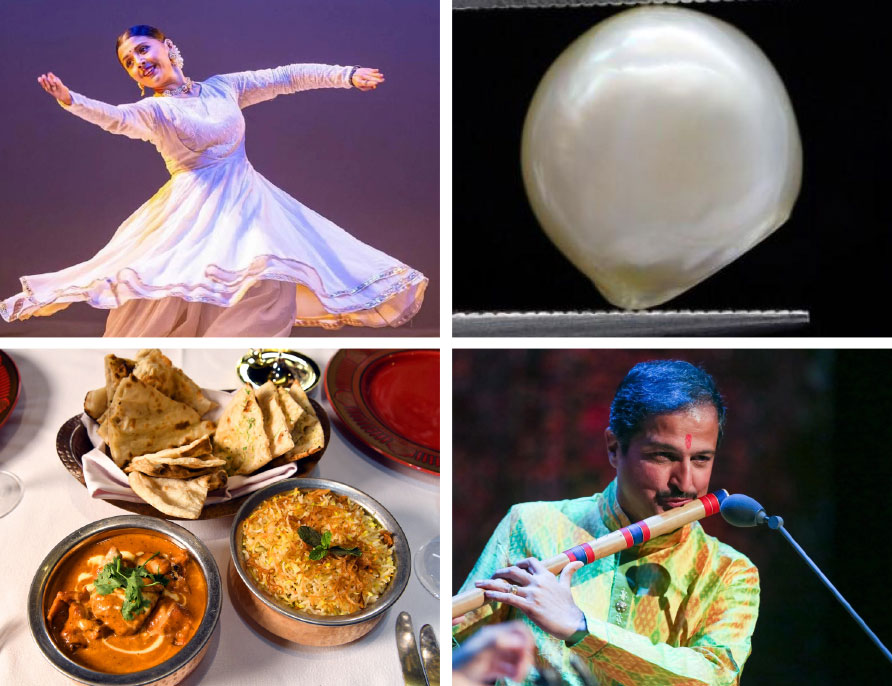
That cultural exchange is perhaps most visible through food. Restaurants such as Nirvana at The Ritz-Carlton, Bahrain and Rasoi by Vineet at Gulf Hotel Bahrain introduce diners to the depth and diversity of Indian cuisine, showcasing regional flavours that have travelled from the subcontinent to Bahrain.
Much like the spice traders who once crossed the Arabian Sea, they continue to build connections through shared experiences around the table.
Tags #btm august 2026 #india in bahrain 2026 #india in bahrain #india bahrain bilateral relations #bahrain india economic relations #bahrain india partnership #Indian community in Bahrain #dilmun indus valley trade #India Bahrain cultural ties #bahrain india history #Bahrain India trade #Bahrain India relations
Digital Edition
Bahrain This Month
September 2026
Related Articles
Saudi in Bahrain
Fri, 04 Sep 2026
Hit the Road
Fri, 04 Sep 2026
Beyond the Tourist Trail - Saudi Arabia
Fri, 04 Sep 2026