














India - Beyond the Postcard
by: BTM - Mon, 03 Aug 2026
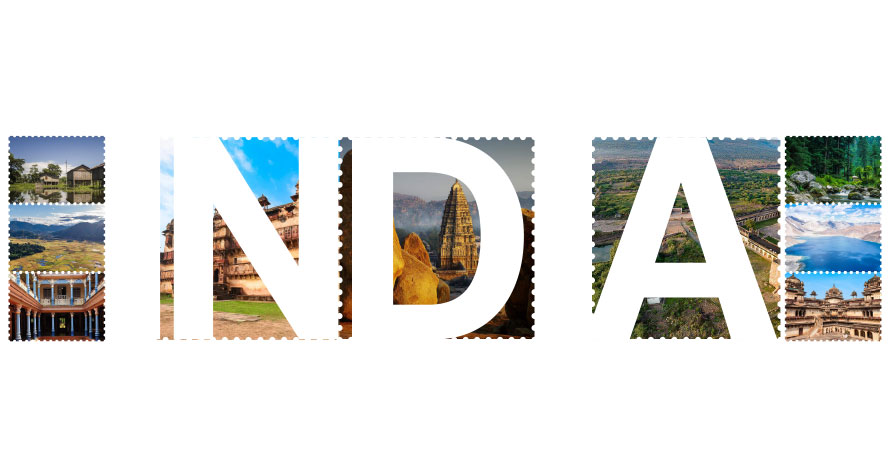
Some of India’s most memorable experiences lie beyond the familiar tourist trail. From Himalayan valleys and ancient archaeological sites to river islands and wildlife reserves, these lesser-known destinations offer a different perspective on one of the world’s most diverse countries.
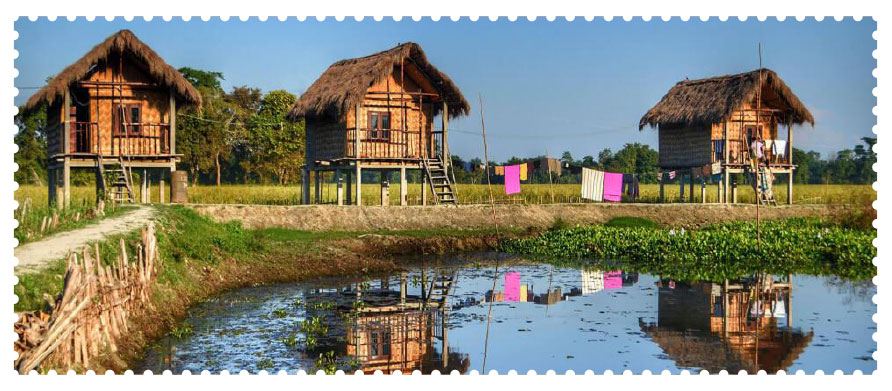
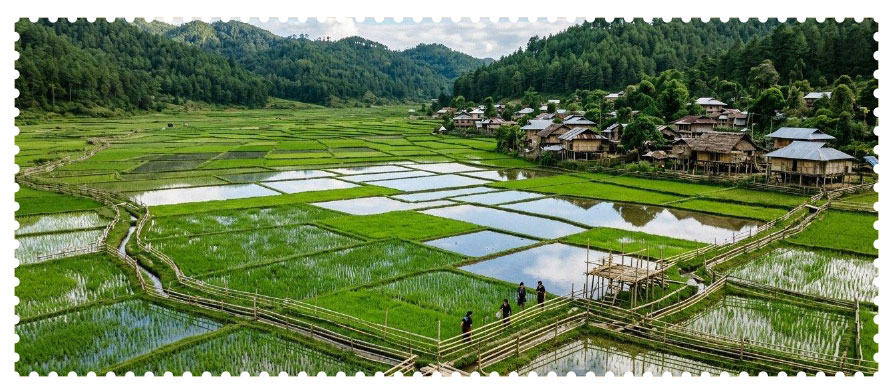 Majuli, Assam
Set within the mighty Brahmaputra River, Majuli is the world’s largest inhabited river island and a cultural heartland of northeast India. It is renowned for its centuries-old Vaishnavite monasteries, known as satras, where traditional dance, music and the craft of making intricate bamboo and clay masks for devotional performances continue to thrive. Visitors can explore the island by bicycle, visit Mishing villages built on stilts and discover communities whose culture has been shaped by the Brahmaputra River for centuries.
 Chettinad, Tamil Nadu
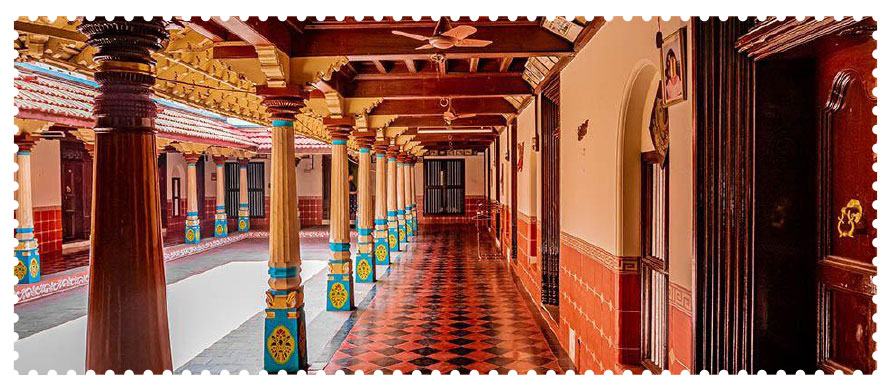
Chettinad combines remarkable architecture with one of India’s best-known regional cuisines. Once home to wealthy merchant families, the region is known for its grand mansions featuring Burmese teak, Belgian glass and Italian marble. Its cuisine is characterised by bold spice blends and aromatic flavours, with dishes such as Chettinad Chicken, cooked with freshly ground black pepper, fennel, curry leaves and roasted spices, and Kuzhi Paniyaram, crisp bite-sized rice batter dumplings served with chutneys or spicy gravies, among the region’s signature dishes.
 Ziro Valley, Arunachal Pradesh
Rolling rice fields, pine-covered hills and the traditions of the Apatani people create a striking mountain landscape unlike anywhere else in India. The Apatani are known for their distinctive wet-rice farming and fish cultivation methods, which have been practised for generations. Visitors can explore walking trails through villages and rice fields, while the cool mountain climate offers a welcome contrast to India’s warmer regions. Those visiting in late summer may also experience the internationally acclaimed Ziro Music Festival.
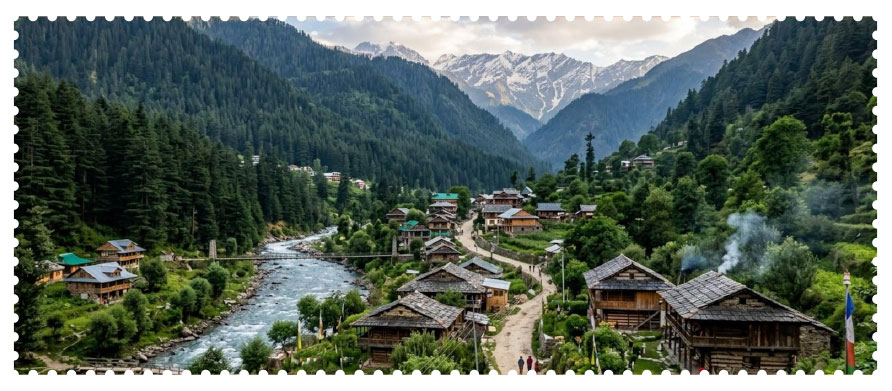
 Tirthan Valley, Himachal Pradesh
Tirthan Valley receives far fewer visitors than nearby Manali and Shimla despite its crystal-clear rivers, cedar forests and timber villages tucked into the Himalayan foothills. Popular activities include hiking, trout fishing and exploring the surrounding mountains. The valley also serves as one of the main gateways to the UNESCO-listed Great Himalayan National Park, home to snow leopards, Himalayan tahr and more than 300 bird species.
 Nubra Valley and Pangong Lake, Ladakh
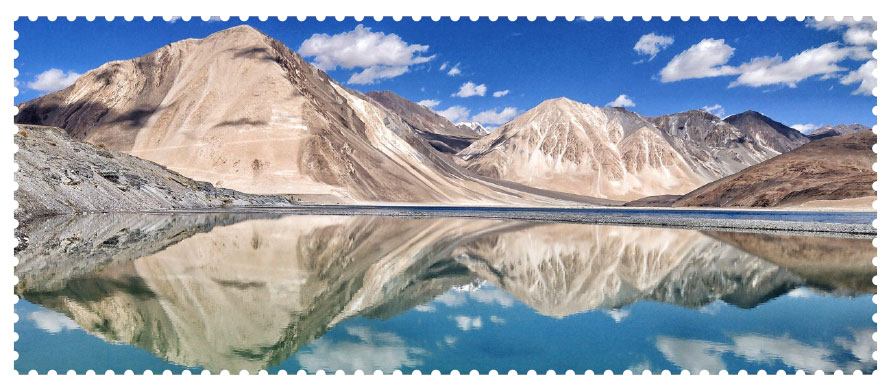
Ladakh’s high-altitude landscapes are unlike anywhere else in India, and few places capture them better than Nubra Valley and Pangong Lake. Nubra Valley is known for its rolling sand dunes, snow-capped peaks and rare double-humped Bactrian camels, descendants of those that once travelled the ancient Silk Route. A few hours away, Pangong Lake stretches across the mountains in brilliant shades of blue that shift with the changing light, creating one of the country’s most unforgettable natural spectacles.
 Gandikota, Andhra Pradesh
Often referred to as India’s Grand Canyon, Gandikota is defined by dramatic cliffs carved by the Pennar River. Visitors can explore the historic Gandikota Fort before walking along the canyon rim, where sheer sandstone cliffs plunge dramatically towards the Pennar River below. Despite its spectacular setting, the area remains overlooked by many visitors exploring southern India.
 Bhitarkanika National Park, Odisha
Bhitarkanika National Park protects one of India’s richest mangrove ecosystems and is best explored by boat. A maze of tidal creeks and dense mangrove forests provides habitat for one of the world’s largest populations of saltwater crocodiles, alongside spotted deer, monitor lizards, white-bellied sea eagles, kingfishers and hundreds of resident and migratory bird species.
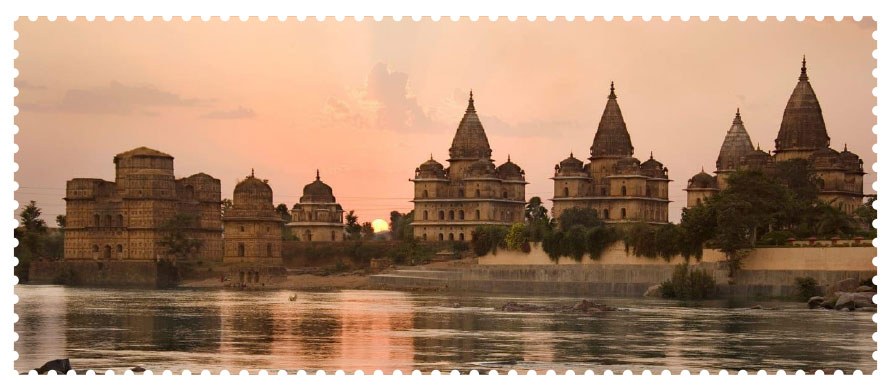 Nubra Valley and Pangong Lake, Ladakh
Ladakh’s high-altitude landscapes are unlike anywhere else in India, and few places capture them better than Nubra Valley and Pangong Lake. Nubra Valley is known for its rolling sand dunes, snow-capped peaks and rare double-humped Bactrian camels, descendants of those that once travelled the ancient Silk Route. A few hours away, Pangong Lake stretches across the mountains in brilliant shades of blue that shift with the changing light, creating one of the country’s most unforgettable natural spectacles.
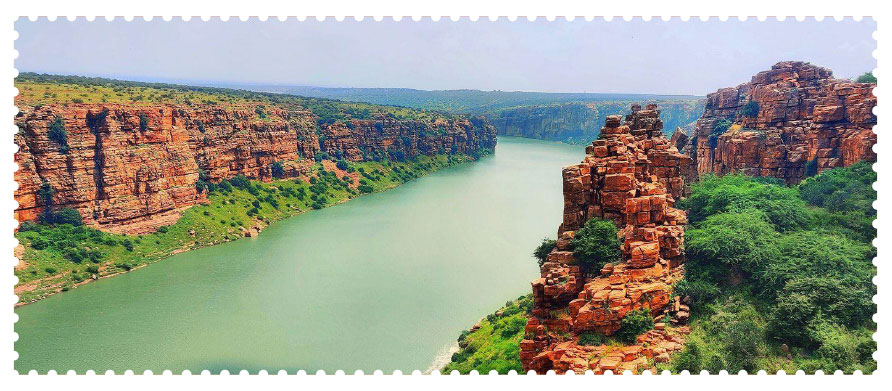 Hampi, Karnataka
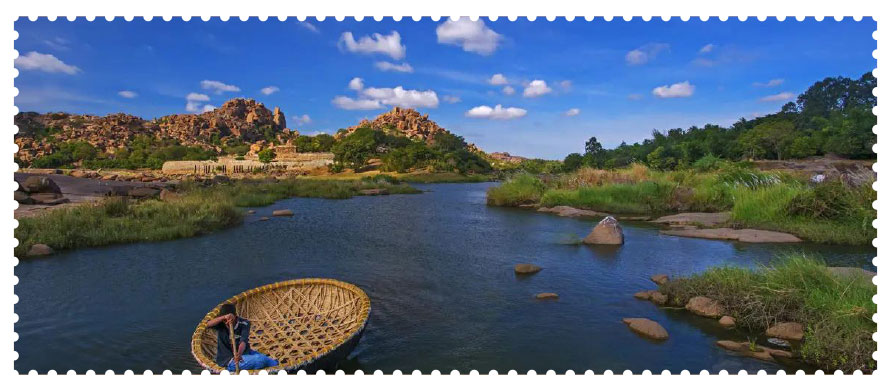
History and adventure come together in Hampi, where giant granite boulders surround the remarkable ruins of the Vijayanagara Empire. Recognised as a UNESCO World Heritage Site, the ancient city is home to magnificent temples, bustling market streets and intricately carved monuments that once formed the capital of one of India’s greatest kingdoms. Visitors can cycle between the ruins or climb the boulder-strewn hills for sweeping views. Traditional coracles still ferry passengers across the Tungabhadra River, offering another way to experience the landscape.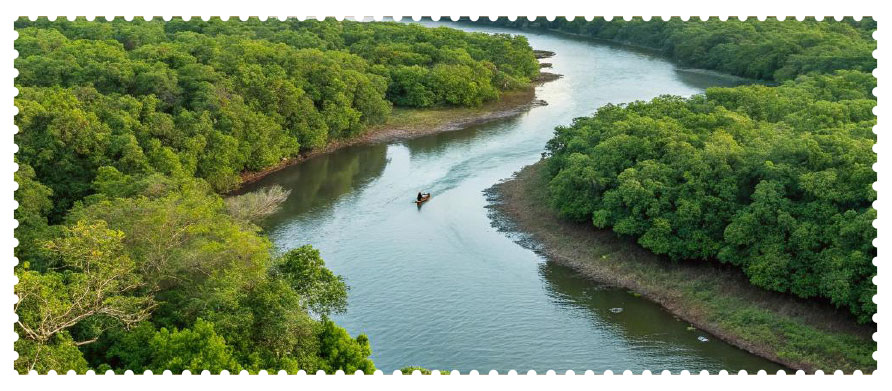 Dholavira, Gujarat
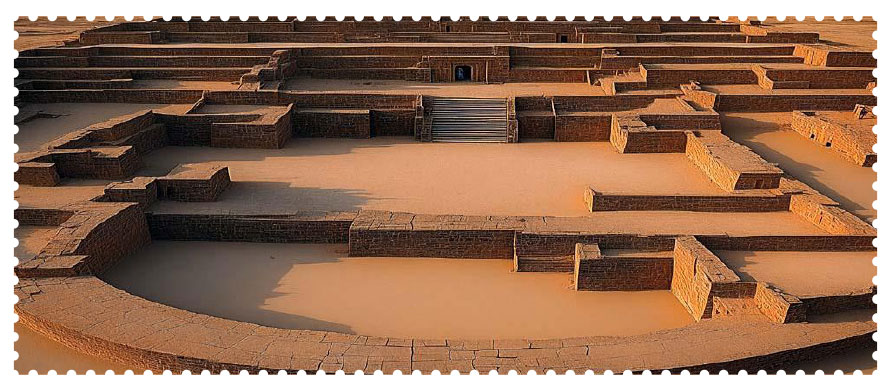
Surrounded by the vast white salt flats of the Rann of Kutch, Dholavira preserves the remains of one of the Indus Valley Civilisation’s greatest cities. Recognised as a UNESCO World Heritage Site, it showcases sophisticated urban planning dating back more than 4,000 years, including remarkably preserved reservoirs, gateways and city walls. Its advanced rainwater harvesting system remains one of the site’s most remarkable engineering achievements.

Digital Edition
Bahrain This Month
September 2026
Related Articles

Saudi in Bahrain
Fri, 04 Sep 2026
Hit the Road
Fri, 04 Sep 2026
Beyond the Tourist Trail - Saudi Arabia
Fri, 04 Sep 2026