













Off the Radar
by: BTM - Fri, 06 Feb 2026
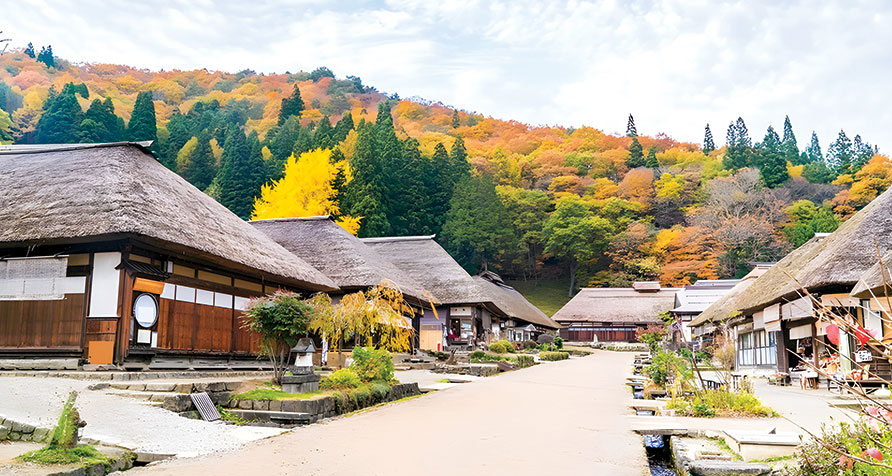
Japan is often encountered through a familiar set of destinations. Step beyond them and travel slows, grounded more firmly in daily rhythms and regional character. The places that follow are not remote, but they are frequently passed over. Shaped by history, geography and long-established routines, they invite a different pace of movement. Time matters here. Understanding them comes through presence and attention, not checklist travel.
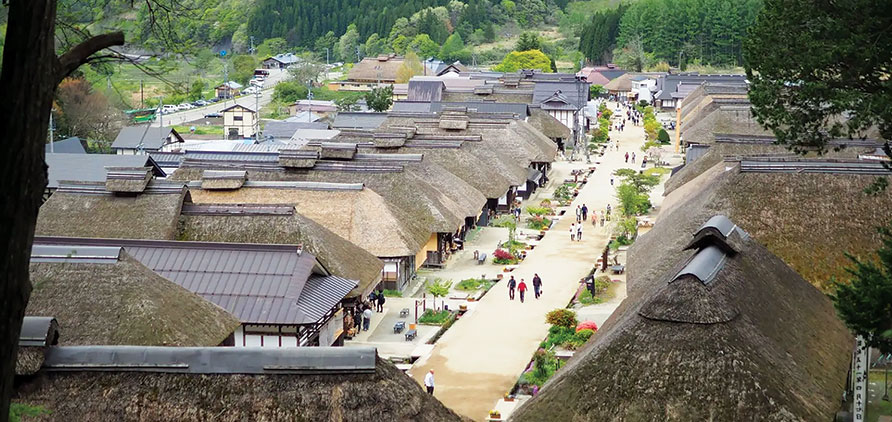
Ouchi-juku
Ouchi-juku is defined by continuity. A single street lined with thatched-roof houses remains intact through routine care. Visitors arrive, eat, walk and leave. Residents continue their day. The village’s coherence feels natural, shaped by habit and necessity.
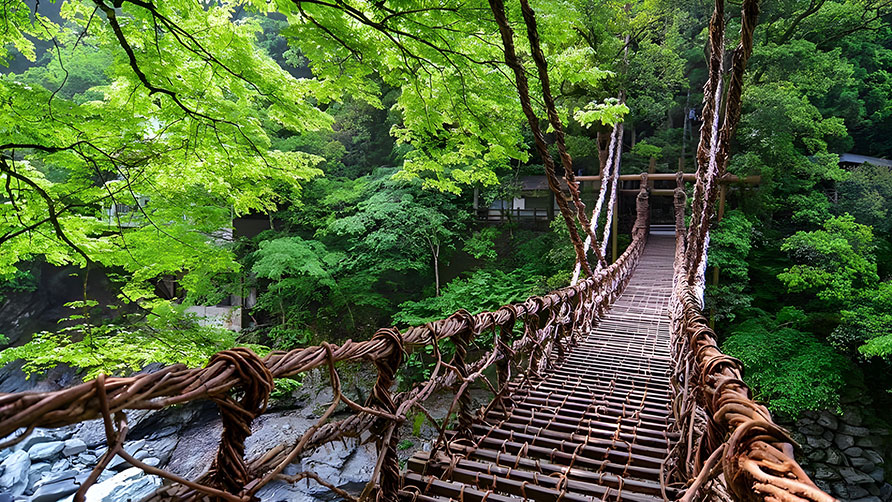
Iya Valley
Reaching the Iya Valley requires commitment. Roads wind through steep terrain, distances stretch and the landscape remains uncompromising. Vine bridges span deep gorges, villages cling to hillsides and daily life follows the contours of the land. The valley’s character is shaped by isolation, offering clarity through stillness and scale.
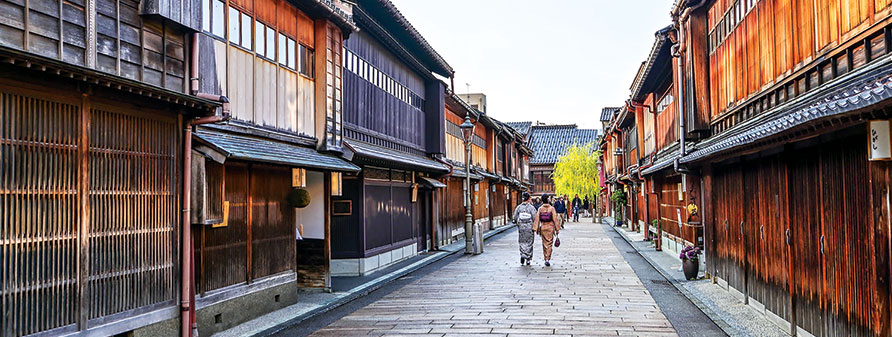
Kanazawa
Kanazawa moves with ease. Samurai districts, geisha quarters and Kenrokuen Garden exist within a city that feels open and measured. Streets invite walking, neighbourhoods encourage lingering and cultural depth reveals itself gradually. Detail carries the experience forward.
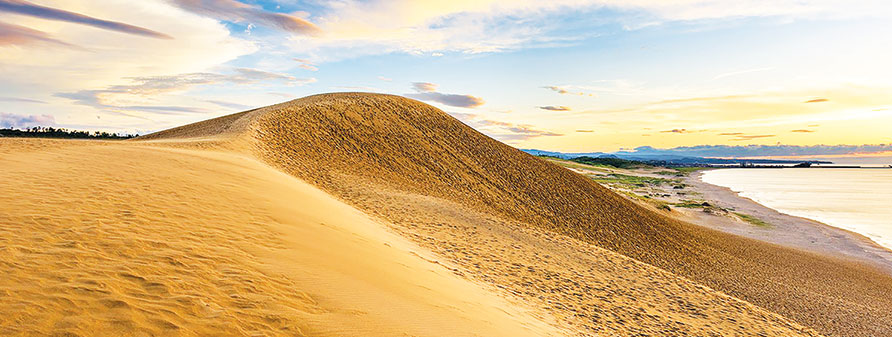
Tottori Sand Dunes
Along the Sea of Japan, the Tottori Sand Dunes introduce an unexpected landscape. Their scale becomes evident through movement and time. Wind reshapes the terrain continuously, and by evening the area grows quiet. The experience is defined by openness, light and shifting form.
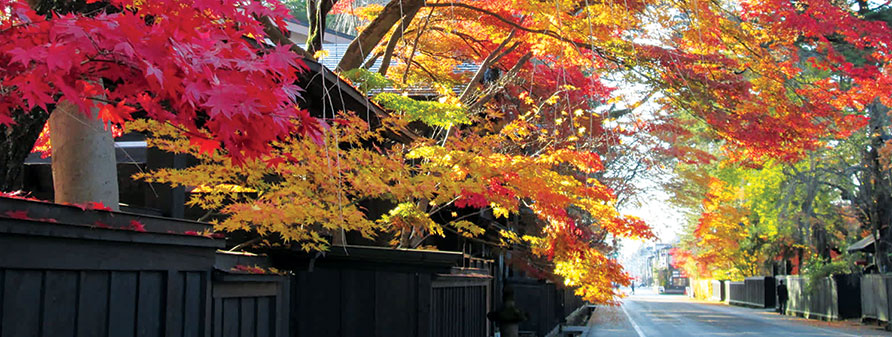
Kakunodate
Kakunodate’s rhythm follows the seasons. Samurai houses line wide streets framed by trees that transform the town throughout the year. While spring draws wider attention, most days feel intimate and local. Life remains steady, anchored in routine and place.
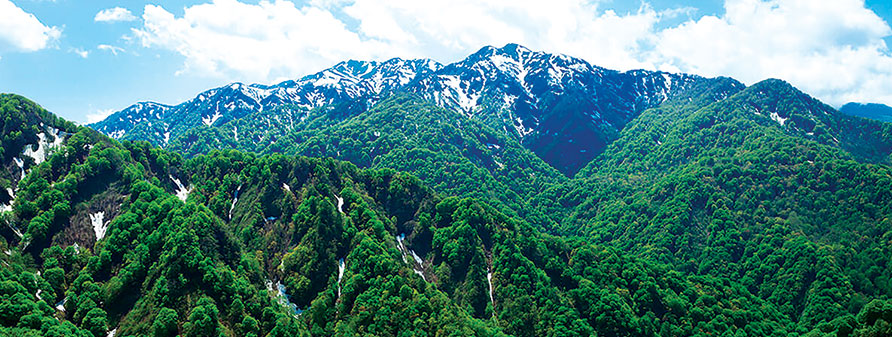
Shirakami-Sanchi
Shirakami-Sanchi stretches across mountains and forest with minimal human intervention. Trails are understated, signage limited and facilities sparse. Time is spent walking, listening and adjusting to scale. The environment sets the pace through simplicity.
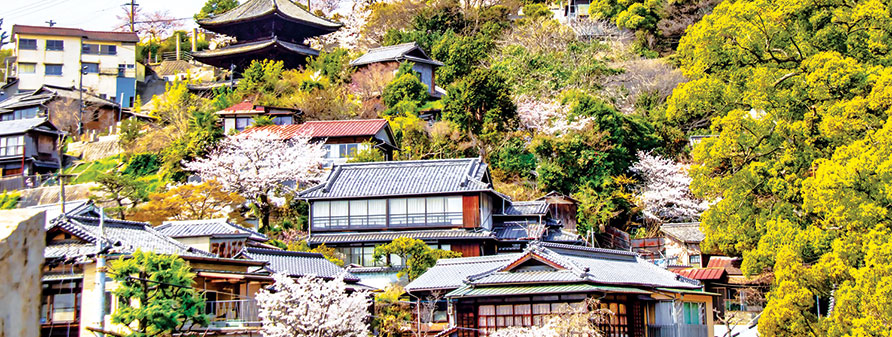
Onomichi
Onomichi unfolds vertically along hills overlooking the Seto Inland Sea. Temples, narrow lanes and older homes intersect with everyday routines. Artists, writers and cyclists pass through, while the town maintains its cadence. Its appeal lies in familiarity, shaped by daily use.

Digital Edition
Bahrain This Month
October 2026
Related Articles
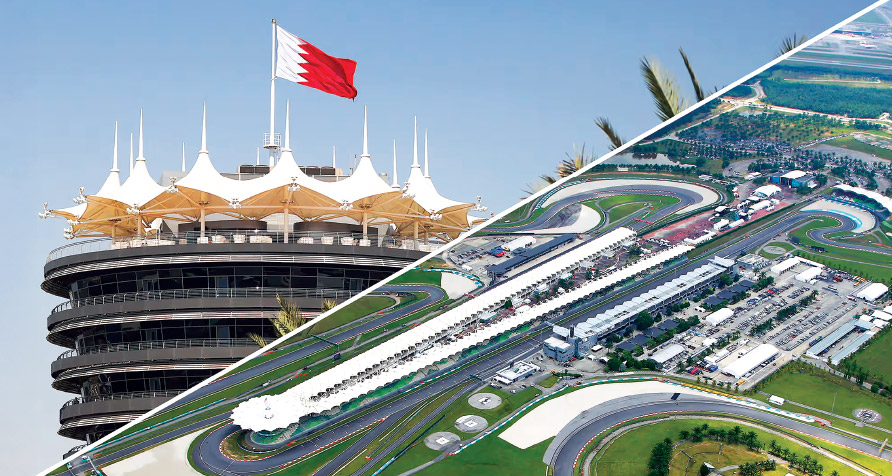
From Sakhir to Sepang
Mon, 05 Oct 2026

A Healthier Way Forward
Mon, 05 Oct 2026

The New Health Rules
Mon, 05 Oct 2026