









Quick Escapes
by: BTM - Thu, 09 Jul 2026
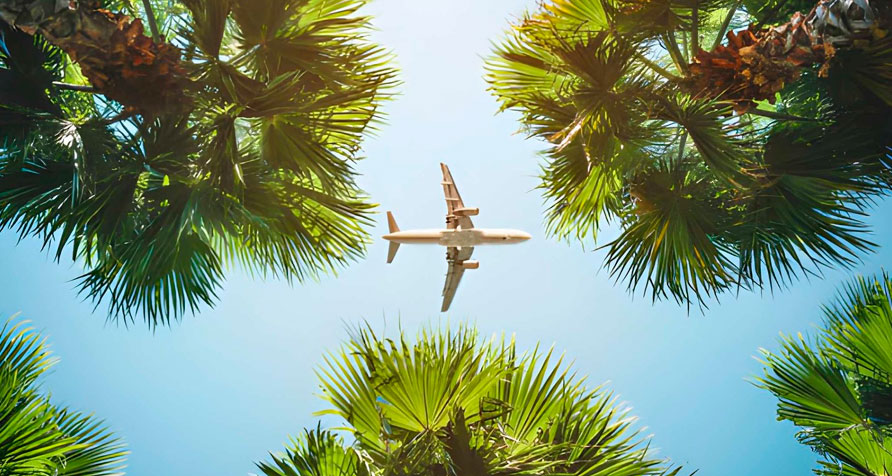
A long-haul flight is not always required for a complete change of scenery. Within a few hours of Bahrain, travellers can swap familiar surroundings for mountain roads, historic neighbourhoods and coastlines, making these destinations ideal for long weekends and spontaneous getaways.
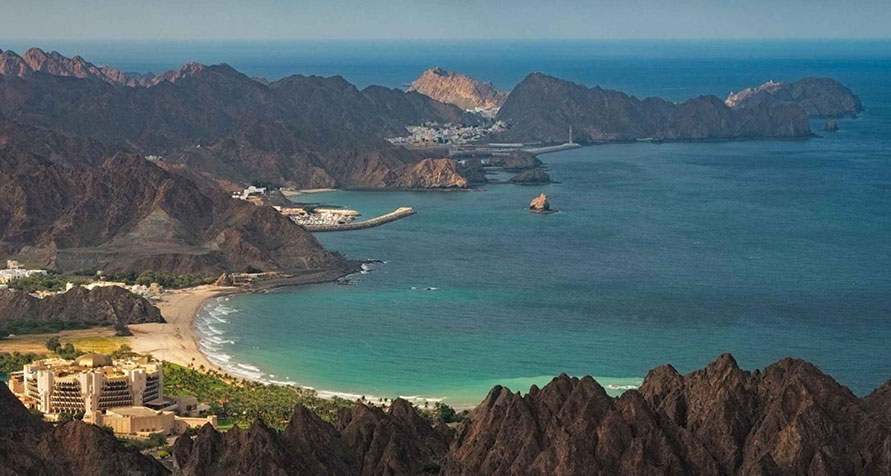
Muscat
Just over an hour from Bahrain, Muscat is one of the easiest destinations for a quick break. The Omani capital sits between the sea and a backdrop of rugged mountains, giving it a distinctly different feel from many cities in the Gulf.
A visit can begin at Sultan Qaboos Grand Mosque before continuing to Mutrah, where the waterfront corniche curves around the harbour and traditional wooden dhows remain part of the view. The nearby souq is filled with the scent of frankincense and stalls selling silver, textiles and local crafts.
Outside the city, winding mountain roads lead towards wadis and villages that seem far removed from urban life.
Salalah
Salalah offers a side of the Arabian Peninsula that many first-time visitors do not expect to find.
During the Khareef season, monsoon rains transform the surrounding landscape. Hills turn green and waterfalls flow freely, creating spectacular views. Areas such as Wadi Darbat and Ain Razat attract visitors looking to experience scenery rarely associated with the region.
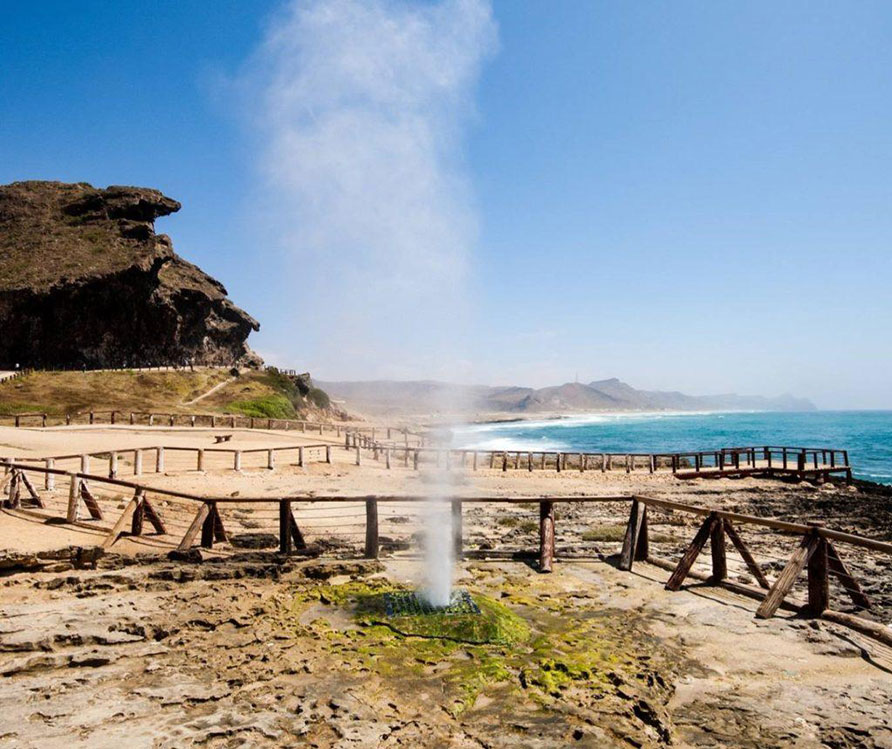
Beyond the seasonal greenery, Salalah’s coastline stretches for kilometres, with white-sand beaches and dramatic viewpoints. At Mughsail Beach, powerful blowholes send seawater high into the air when conditions are right.
Few destinations within easy reach of Bahrain offer such a dramatic contrast to the desert landscapes many travellers know best.
Baku
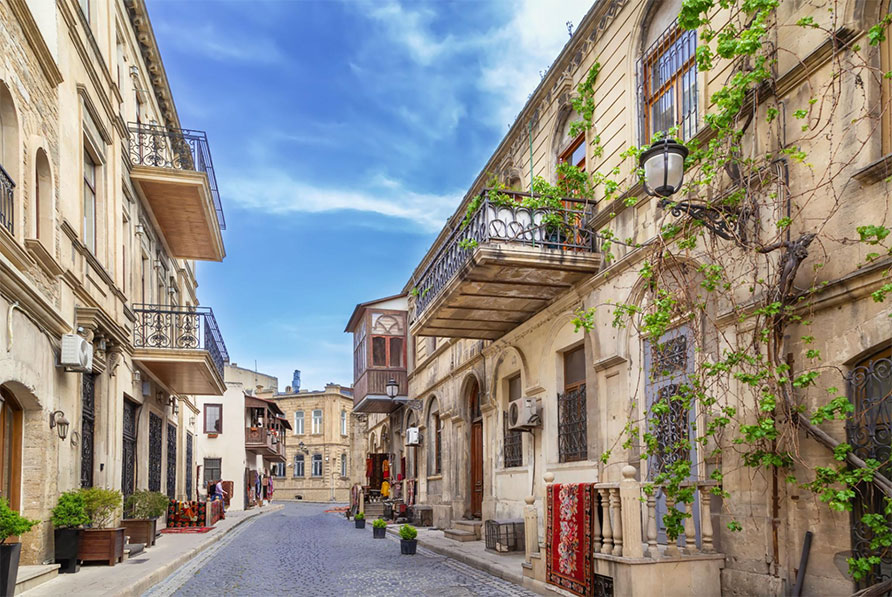
A flight of around four hours brings travellers to Baku, a city where centuries-old stone buildings stand alongside some of the most recognisable modern architecture in the region.
Many visitors begin in Icherisheher, the old city at the heart of the capital. Narrow alleyways, courtyards and historic buildings provide a sharp contrast to the glass towers that rise beyond the city walls.
Along the Caspian waterfront, the promenade stretches for several kilometres, connecting parks, cafés and public spaces. As evening falls, the skyline becomes a focal point, particularly around the Flame Towers.
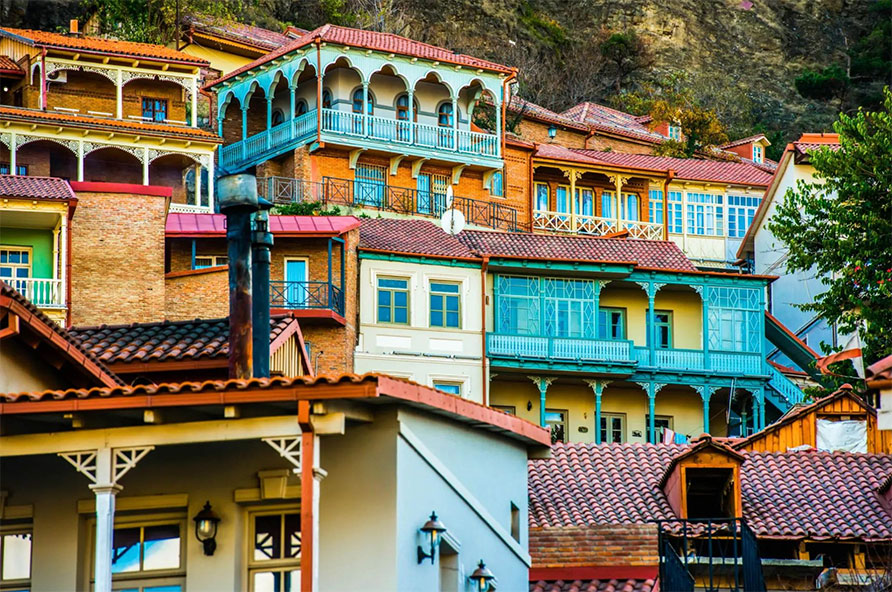
Tbilisi
Set among hills and crossed by the Kura River, Tbilisi is known for its historic streets, independent cafés and restored neighbourhoods.
The city’s Old Town is known for its colourful balconies, hillside houses and winding lanes. Walking through the area reveals a mix of architectural styles shaped by centuries of influence from across Europe and Asia.
Cafés spill onto pavements, while small boutiques and galleries occupy restored historic buildings. The city is also compact enough to explore largely on foot, allowing visitors to move easily between different neighbourhoods.
Within a few hours of the city, travellers can find mountain roads, vineyard regions and villages that feel unchanged by time.
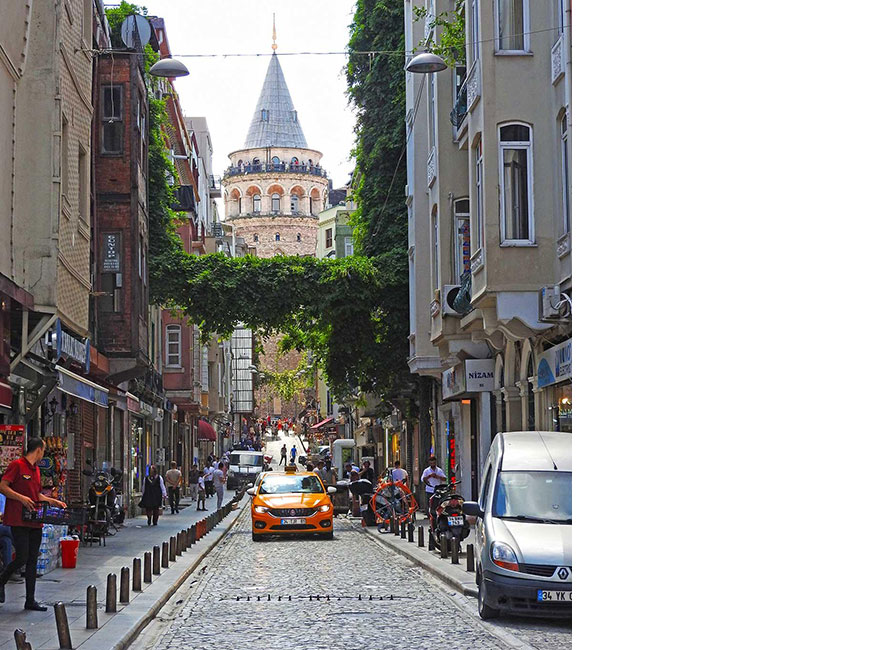
Istanbul
Few destinations pack as much into a long weekend as Istanbul.
A morning can begin among the historic landmarks of Sultanahmet before shifting to the cafés, galleries and independent shops that line the streets of Karaköy and Galata. Ferries cross the Bosphorus throughout the day, linking neighbourhoods on both the European and Asian sides of the city.
Fresh simit, grilled fish sandwiches by the waterfront and neighbourhood bakeries are as much a part of the city as its famous landmarks.
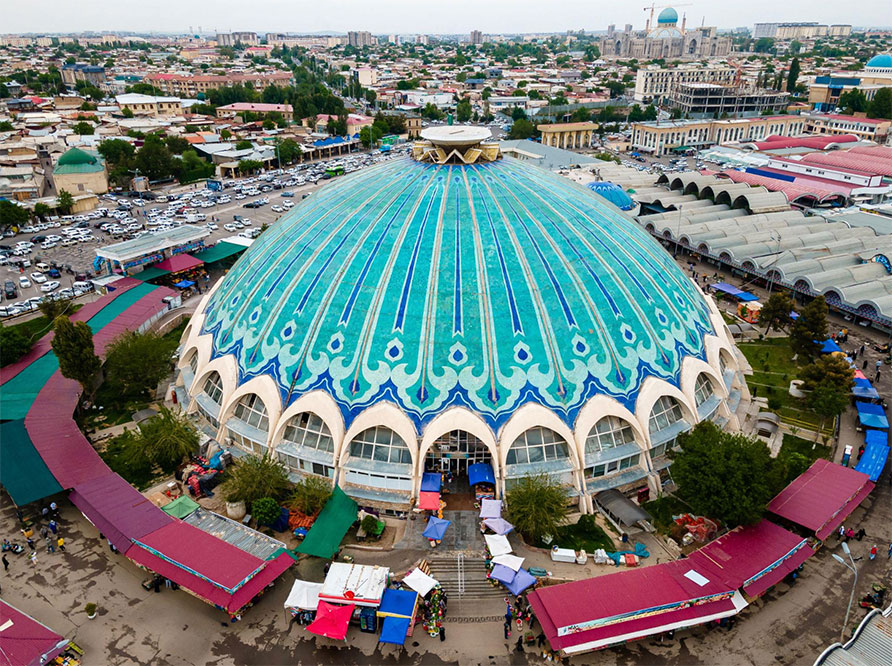
Tashkent
As interest in Central Asia grows, Tashkent is attracting travellers looking beyond the region’s better-known destinations.
The Uzbek capital combines wide boulevards and Soviet-era architecture with bustling markets and reminders of its position along historic trade routes. Chorsu Bazaar remains one of the city’s most recognisable landmarks, drawing visitors with its produce stalls, spices and local dishes.
The city’s metro system is an attraction in its own right, with stations known for decorative mosaics, chandeliers and distinctive designs.
High-speed rail links connect the capital with Samarkand and Bukhara, two of Central Asia’s most celebrated historic cities.
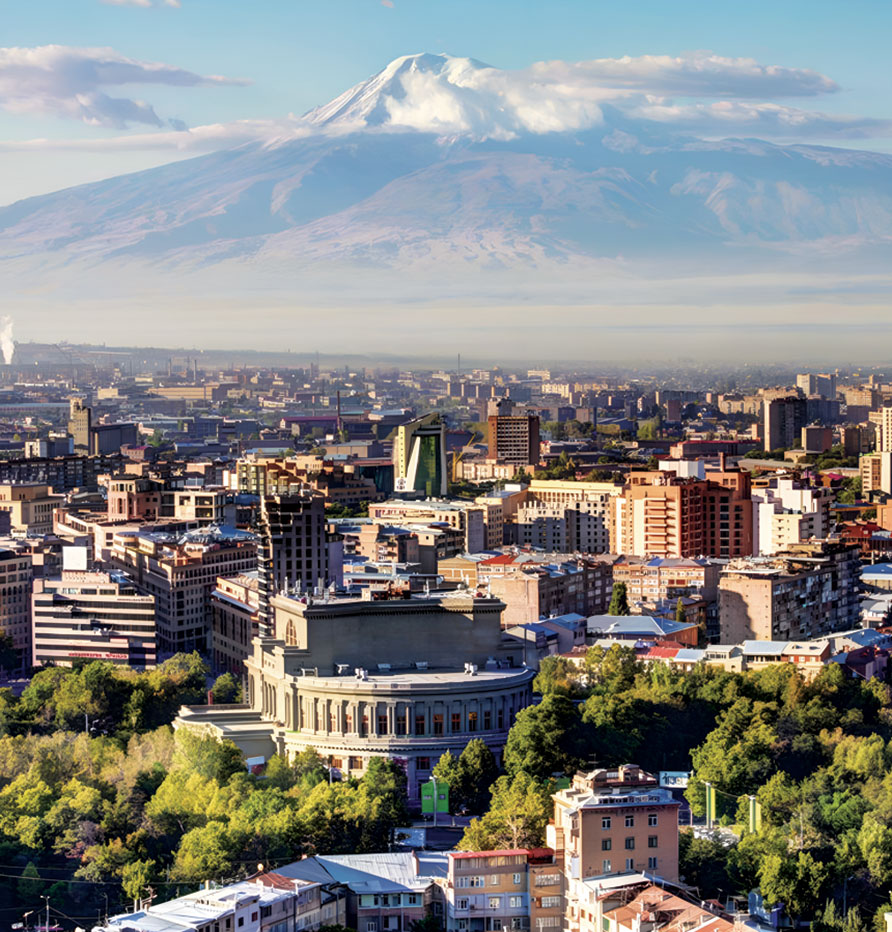
Yerevan
Armenia’s capital is often overshadowed by larger regional destinations, yet it remains one of the region’s less-visited capitals.
Built largely from pink volcanic stone, Yerevan has a distinctive appearance that becomes particularly striking in the late afternoon light. Republic Square and the Cascade Complex serve as gathering points for residents and visitors alike.
On clear days, views of Mount Ararat dominate the horizon. The mountain sits beyond Armenia’s border but remains a defining feature of the city’s skyline.
Cafés line many of the central streets, encouraging visitors to slow their pace and spend time watching daily life unfold.

Digital Edition
Bahrain This Month
October 2026
Related Articles
From Sakhir to Sepang
Mon, 05 Oct 2026

A Healthier Way Forward
Mon, 05 Oct 2026

The New Health Rules
Mon, 05 Oct 2026