










Sustainability Through Traditional Architecture
by: BTM - Thu, 13 Nov 2025
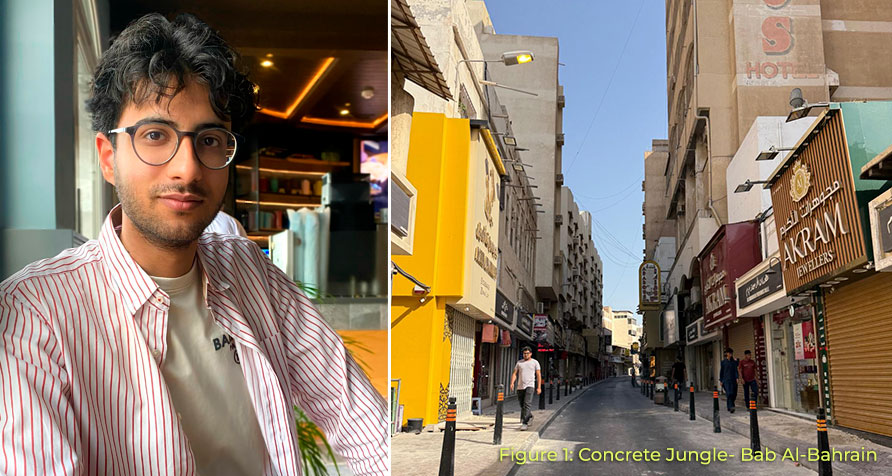
Ammar Thurathi critiques Bahrain’s concrete modernity, arguing traditional architecture, such as coral stone, courtyards, shading and wind towers, offers enduring, climate-smart sustainability that respects heritage and cools cities.
Problems With Sustainability Today
Bahrain is forward thinking in regards to its adaption of climate smart solutions for the future, but what if the future they are working for is, in fact, causing more harm than good?
Where ever you go in Bahrain you see concrete jungles that don’t last a century, glass towers in the middle of a desert that act as literal ovens and cost a kidney to cool, and no one bats an eyelid at our wastefulness? Is there no solution to our problems except for ugly modernist architecture?
Reality of Sustainability
Humans have been building cities for 5,000 years, and every civilisation had its own unique and beautiful style of architecture that respected its heritage, culture and history, using materials that were readily available to them.
The ancient Egyptians quarried stone from the Giza Plateau itself to build the pyramids, and the city of Siena was built using the clay from its surroundings. This pattern continues with other cities, as every city was built with respect for local resources and with the climate in mind. This is why we have many old cities still standing, while we in the 21st century cannot make a building last more than a century. Why did humans, for the first time in history, regress in construction?
Concrete is used globally as a cheaper building material. However, the steel bars inside it are vulnerable to rust. Oxygen starts the rusting process, which expands and creates micro-cracks. Moisture then gets in and accelerates the rust, deteriorating the bars. This leads to expensive maintenance. If that maintenance costs more than demolition, the building is torn down. This often limits a building’s life to a century or less.
 Traditional Climate Designs
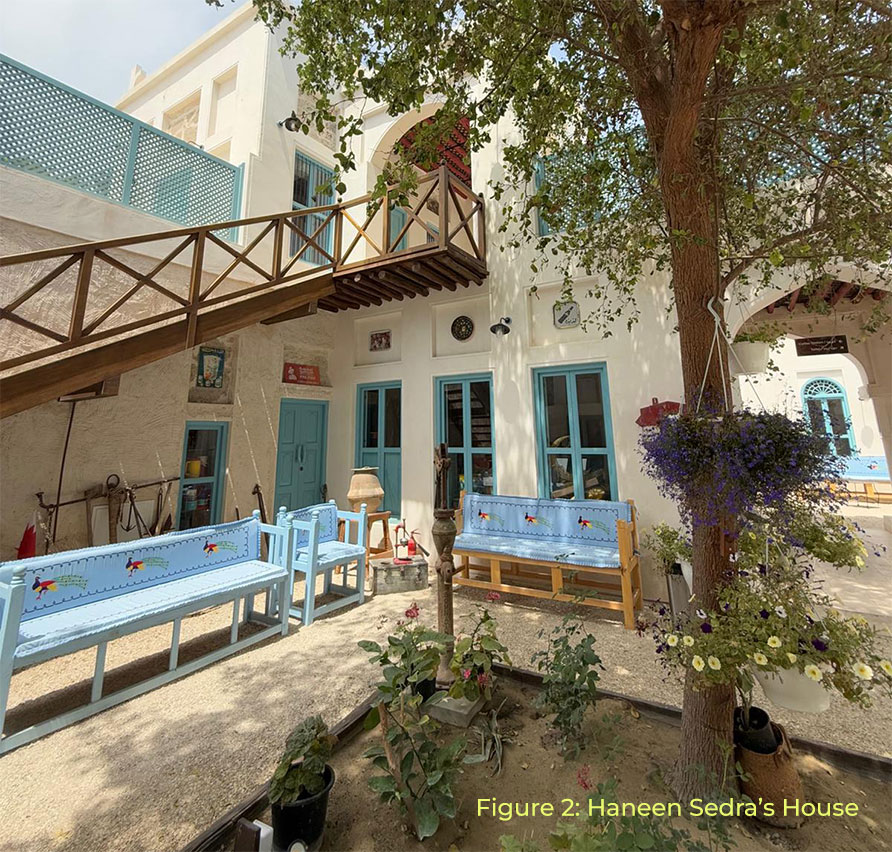
Before the advent of concrete and expensive AC units, Bahrainis used to build their houses and urban spaces with the climate in mind, as well as cultural and religious boundaries. The houses were built of materials that were breathable, such as coral stone or limestone, and the walls were thick to keep the cool air in.
Courtyards were built for better ventilation. Windows were small on the outside and big when facing the courtyard for natural cooling. Many houses had wind towers that used to catch cold air and have it channelled into the house, pushing out the hot air, making Bahraini houses beautiful and functional.
Streets were always shaded by drapes or trees; water features were aplenty all over Bahrain. Trees could grow naturally back then because of the subterranean springs. These cooling methods were actually sustainable, unlike the way we live today, where oil and gas are used excessively to aid in cooling our houses. We have built Bahrain to be artificially hotter than it’s supposed to be.
When you have concrete jungles and black asphalt working in conjunction to make our country hot, it’s no wonder we have misconceptions about always having hot weather all year round. With simple changes, we can cool Bahrain down significantly in ways we couldn’t just a few decades ago.
Tags #heritage architecture sustainability gulf #urban heat island bahrain #passive cooling architecture bahrain #courtyard house design bahrain #climate responsive design gulf #wind towers middle east #coral stone houses bahrain #traditional bahraini architecture #sustainable architecture Bahrain #luxury in bahrain 2025 #luxury in bahrain #btm november 2025
Digital Edition
Bahrain This Month
October 2026
Related Articles
From Sakhir to Sepang
Mon, 05 Oct 2026

A Healthier Way Forward
Mon, 05 Oct 2026

The New Health Rules
Mon, 05 Oct 2026