












Where Science Leads
by: BTM - Sun, 12 Apr 2026
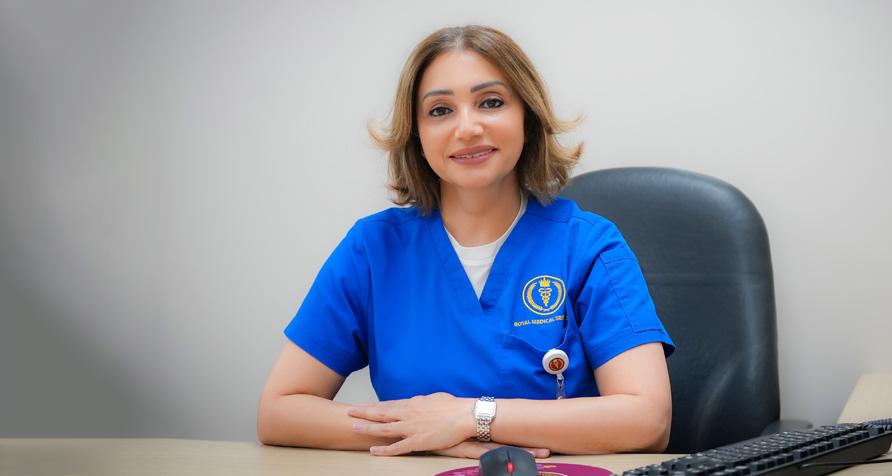
On World Health Day 2026, Dr. Noof AlShaibani reflects on how science guides decisions in the operating room and shapes outcomes across the community, highlighting the importance of trust in evidence at every stage of care.
This World Health Day centres on the theme ‘Together for Health. Stand with Science.’ It reflects a principle that extends beyond clinical settings into the broader context of how healthcare is understood and practised.
For a surgeon, it defines daily work. In the operating room, every decision is guided by evidence. Each technique, treatment plan and protocol is built on years of research, clinical trials and global collaboration. Evidence remains the foundation of safe and effective care, ensuring patients receive treatments proven to improve survival and quality of life.
Healthcare also continues beyond the operating room. In the community, knowledge, trust and awareness influence outcomes alongside clinical expertise and technology.
Outside the hospital, health decisions are often shaped by conversations, beliefs and increasingly, information found online. While access to information has expanded, the spread of misinformation has grown alongside it. This widens the gap between established scientific evidence and public understanding, with direct consequences for prevention, early detection and treatment.
This is particularly evident in women’s health. In breast cancer care, scientific progress has transformed outcomes. Screening programmes such as mammography have been shown to reduce mortality by approximately 20 to 40 per cent, primarily through early detection. Advances in genetic testing now allow clinicians to identify individuals at high risk, particularly those carrying BRCA1 and BRCA2 mutations, which can increase lifetime risk to up to 65 to 80 per cent. This enables tailored surveillance and preventive strategies.
The development of targeted and personalised therapies has also improved survival outcomes. In many settings, five-year survival rates for early-stage breast cancer now exceed 90 per cent. These are evidence-based milestones that continue to save lives every day.
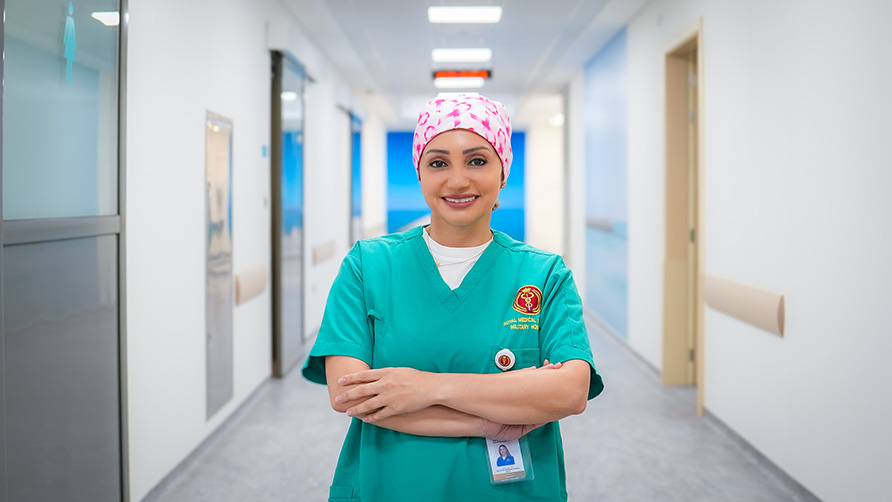
Progress in science must also be matched by clear communication. As healthcare professionals, responsibility extends beyond delivering treatment. It includes translating complex evidence into accessible information that patients can understand and trust, while advocating for evidence-based care across the spaces where health decisions are shaped.
“As a surgeon working in the operating room, I see every day that science is what guides our decisions, protects our patients and saves lives,” Dr. AlShaibani notes. “It is a responsibility we must continue to trust and carry into every community we serve.”
The message behind World Health Day reinforces a shared responsibility to strengthen trust in evidence and narrow the gap between scientific knowledge and public understanding. Extending this approach from clinical settings into everyday decision-making supports more informed choices and improved outcomes across communities.
As Dr. AlShaibani puts it, “In medicine, every life saved begins with one decision — to trust science.”
Tags #btm april 2026 #breast cancer early detection bahrain #world health day gulf #dr noof alshaibani bahrain #evidence based care gulf #breast cancer screening bahrain #women's health awareness bahrain #based medicine bahrain #trust science healthcare #world health day 2026 bahrain“In medicine, every life saved begins with one decision - to trust science.” - Dr. Noof
Digital Edition
Bahrain This Month
October 2026
Related Articles

From Sakhir to Sepang
Mon, 05 Oct 2026
A Healthier Way Forward
Mon, 05 Oct 2026
The New Health Rules
Mon, 05 Oct 2026