












The Evolving Toolkit
by: BTM - Sun, 04 Jan 2026
Artificial intelligence is no longer defined by novelty. As 2026 approaches, the most relevant tools are those quietly embedding themselves into real workflows, reshaping how we write, search, design, produce and communicate. From research engines to creative studios, these six AI platforms are emerging as practical essentials rather than experimental extras.
Microsoft Copilot
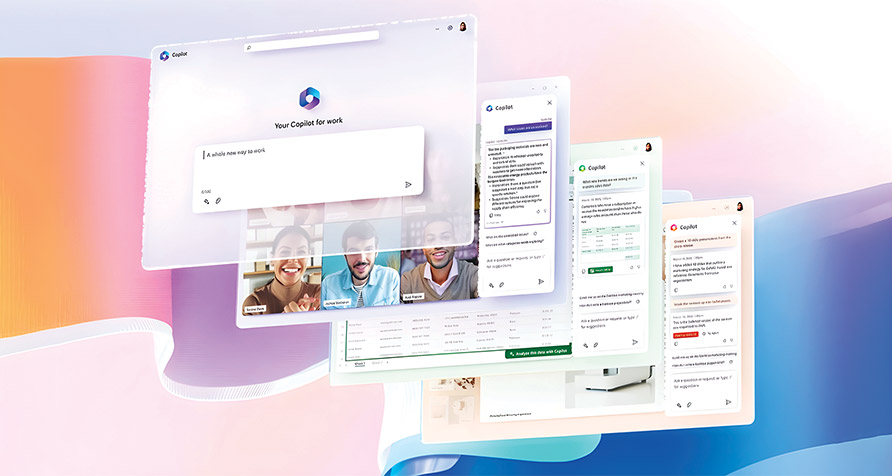
Microsoft Copilot has evolved into one of the most consequential AI tools in daily professional life. Embedded across Microsoft 365, it works within Word, Excel, Outlook and Teams, drawing on organisational context rather than operating as a detached chatbot. Its strength lies in synthesis; whether drafting documents, analysing data and streamlining communication. For businesses already invested in the Microsoft ecosystem, Copilot is fast becoming less of an add-on and more of an operating layer.
Perplexity
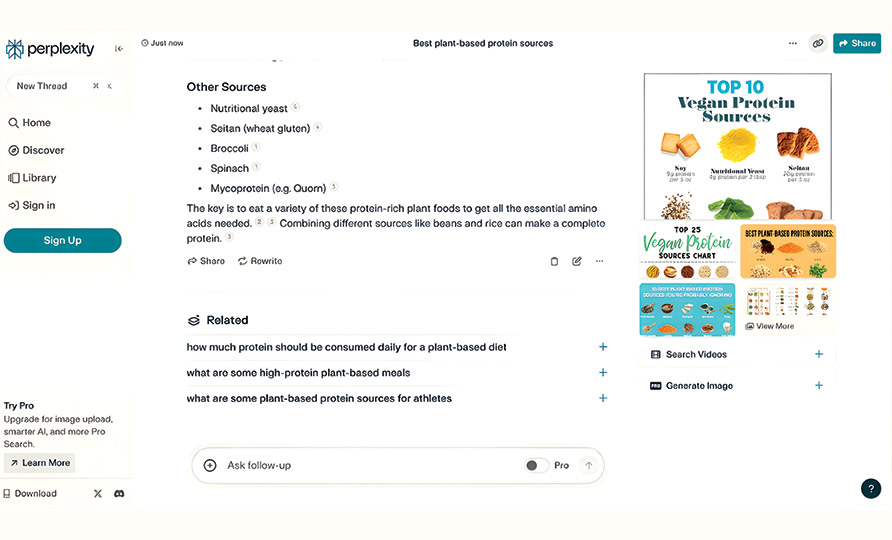
Perplexity positions itself where many AI tools fall short: accuracy. Blending conversational AI with live search and cited sources, it functions as a research assistant rather than a creative guesser. It is particularly useful for journalists, analysts and students who need clarity without speculation. In a landscape crowded with generative tools, Perplexity stands out for prioritising verification and transparency.
Sora (OpenAI)
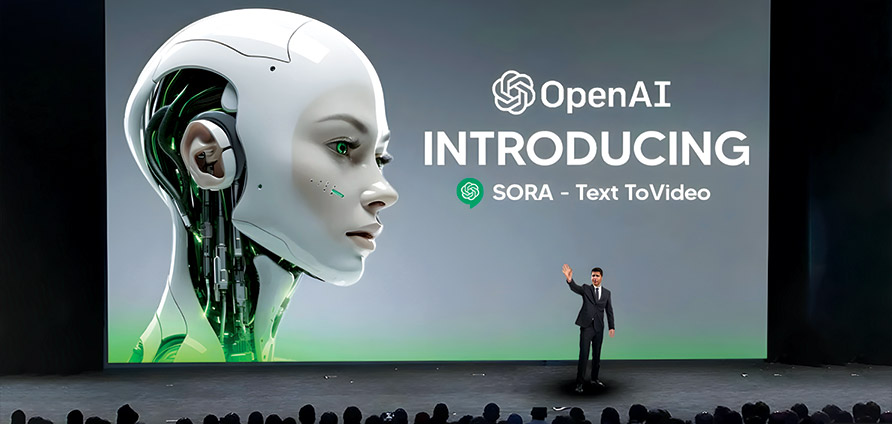
Sora represents a significant leap in AI-generated video. Built to turn text prompts into realistic moving visuals, it signals how quickly production barriers are dissolving. While still developing, its early demonstrations suggest a shift in how creators prototype ideas, visualise concepts and experiment with short-form narrative—rather than replacing traditional filmmaking altogether.

Veo (Google DeepMind)
Google’s Veo is part of a new wave of high-fidelity video generation models emerging from DeepMind research. Designed to produce longer, more realistic clips with improved motion and audio synchronisation, Veo reflects Google’s ambition to compete seriously in generative media. Rather than functioning as a standalone consumer tool, Veo is likely to sit within Google’s broader AI ecosystem, signalling deeper integration across creative and productivity platforms.
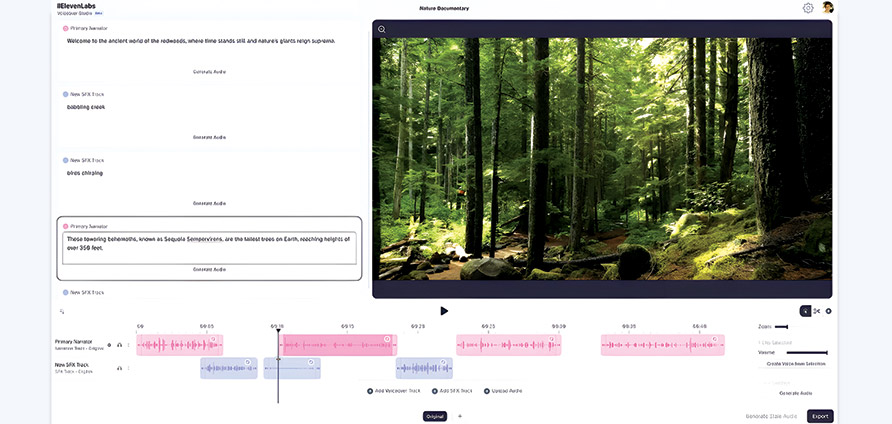
ElevenLabs
Voice is becoming one of AI’s most personal frontiers, and ElevenLabs is leading that shift. Known for its natural-sounding speech synthesis, the platform enables creators to generate expressive narration, dialogue and audio content without recording equipment. From podcasts to brand videos and accessibility tools, ElevenLabs is shaping how voice production scales without losing emotional nuance.
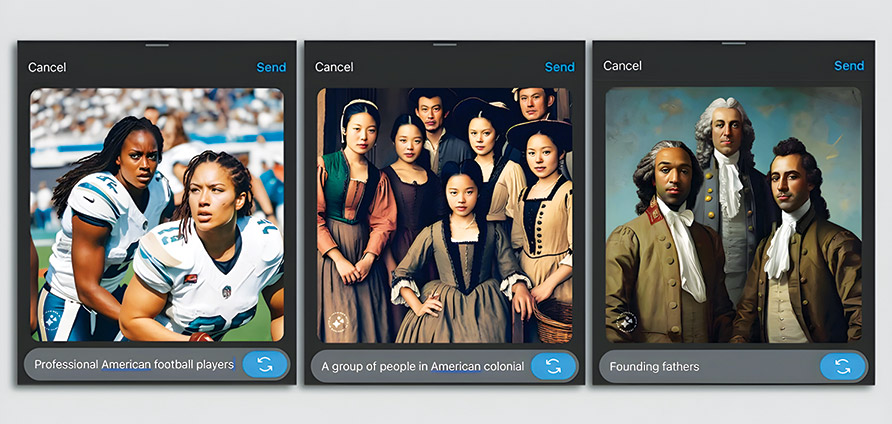
Nano Banana (Google Gemini Image Model)
Often referred to by its viral nickname, Nano Banana is not a standalone app but a powerful image generation and editing model within Google’s Gemini framework. Its appeal lies in speed and versatility, allowing users to create, refine and manipulate visuals using simple prompts. For designers and storytellers, it offers a fast route from concept to visual draft, especially when working across multiple formats and platforms.
Tags #emerging ai platforms #future of work ai #ai software bahrain #technology trends 2026 #ai content creation tools #ai for business gulf #ai productivity tools #artificial intelligence platforms #ai tools 2026 #btm january 2026

Digital Edition
Bahrain This Month
October 2026
Related Articles

Always Something Extraordinary
Mon, 05 Oct 2026

A Decade in Rhythm
Mon, 05 Oct 2026

Teeing off for Charity - 27 years of AMH Golf Tournament
Mon, 05 Oct 2026

