








An Eye on Real Estate - Why Maintenance Matters
by: BTM - Thu, 07 May 2026
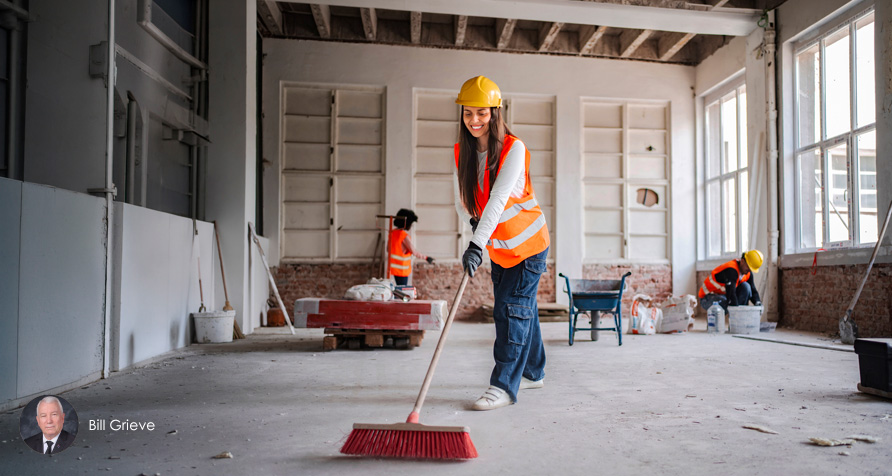
Real Estate and Property Management are at the core of Bill Grieve’s experience. In this series, he provides insight and opinion from both himself and people of standing in the real estate industry, helping to transfer knowledge and provide a platform for property owners and the wider sector.
When cost-cutting replaces care, the real price is paid later – often by everyone.
In many residential buildings, maintenance is treated as a controllable expense rather than a critical responsibility. But when routine care is reduced, delayed or overlooked, the consequences are rarely immediate – and almost always more costly in the long run.
Maintenance is rarely visible when it is done well.
Lifts work. Water flows. Lights stay on. Fire systems remain silent but ready. Pools are clean. Corridors are orderly.
Residents go about their lives without noticing the systems that support them.
That is the point. But in too many residential buildings, maintenance is not treated as an essential function. It is viewed as a cost – something to be reduced, deferred or negotiated down. And while this approach may deliver short-term savings, it introduces long-term risk.
“Well-maintained buildings are quiet. Poorly maintained buildings inevitably make noise.”
The False Economy of Cost-Cutting
Reducing maintenance budgets is often seen as a practical decision. Service contracts are renegotiated, frequencies reduced and reactive repairs take precedence over preventative care.
On paper, this looks efficient. In reality, it is a false economy. Small issues left unattended rarely remain small. Minor faults become system failures. What could have been managed routinely becomes urgent, disruptive and expensive. More importantly, the risk profile of the building changes – often without residents realising it.
Fire Systems: Silent Until They Are Not
Fire safety systems are among the most critical – and most overlooked – elements in residential buildings.
Regular testing, certification, operation, maintenance and management are not optional. They are fundamental.
Yet in some cases:
· Testing intervals are stretched
· Maintenance records are incomplete
· Equipment is outdated or partially functional
· Managers do not measure – so they cannot manage
These issues are rarely visible during normal operations. But in an emergency, they become decisive.
“Fire systems are not there for convenience – they are there for the moment everything else fails.”
Lifts: The Most Used, Least Considered System
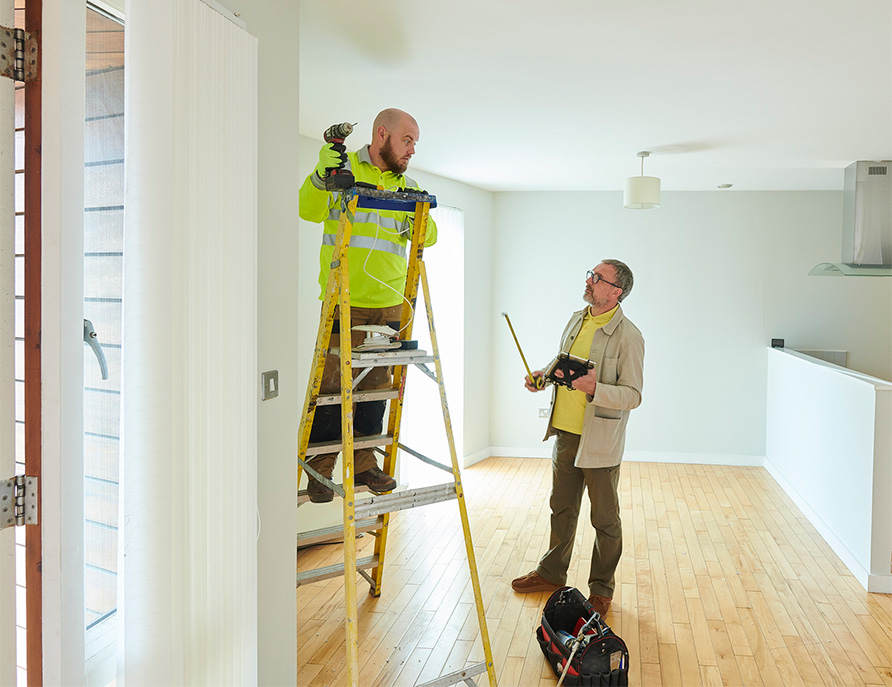
Lifts operate constantly. They carry residents, visitors and deliveries – often without pause.
Because they are always in use, they are also among the most vulnerable to wear.
Without proper servicing:
· Breakdowns become frequent
· Safety risks increase
· Repair costs escalate significantly
And yet, lift maintenance contracts are often among the first areas where costs are reduced.
Pest Control: The Problem You Don’t See – Until You Do
Pest control is another area where inconsistency creates risk.
Irregular treatment schedules or low-quality service can allow problems to develop unnoticed. By the time they become visible, they are often widespread.
At that stage, resolution is no longer routine – it is disruptive, costly and reputationally damaging.
Pools and Shared Facilities: High Use, High Risk
Swimming pools, gyms and shared facilities require continuous oversight. Water quality, filtration systems and safety compliance must be maintained consistently.
Reduced maintenance in these areas can lead to:
· Health risks
· Temporary closures
· Increased liability
What appears to be a saving can quickly become a public issue.
Routine vs. Reactive Maintenance
A well-managed building operates on a structured maintenance plan:
· Scheduled servicing
· Regular inspections
· Documented compliance
Poorly managed buildings rely on reaction:
· Fixing issues only when they arise
· Delaying action until complaints are made
· Addressing symptoms, not causes
The difference between the two is not just operational – it is financial and structural.
“Reactive maintenance costs more – it just delays when you pay.”
On-Call Maintenance: The Hidden Stress Test
Unforeseen issues – water leaks, electrical faults and system failures – are inevitable in any building.
The question is not whether they occur, but how they are handled.
Buildings with strong maintenance frameworks:
· Respond quickly
· Contain issues early
· Minimise disruption
Buildings without them:
· Escalate problems
· Extend downtime
· Increase cost and frustration
The Real Cost of Neglect
The consequences of poor maintenance extend beyond repairs.
They include:
· Declining property values
· Increased insurance risk
· Resident dissatisfaction
· Loss of confidence in management
Over time, buildings develop reputations – and those reputations are difficult to reverse.
“Maintenance is not an expense. It is the cost of preserving everything else.”
A Question of Standards
At its core, maintenance is not just technical – it is a question of standards.
· What is acceptable?
· What is enforced?
· What is prioritised?
When cost becomes the primary driver, standards often decline.
When standards decline, risk increases.
In residential buildings, maintenance is easy to overlook – until it is not.
The systems that support daily life are interconnected. When one fails, others are affected. When maintenance is reduced, risk accumulates quietly.
The decision is rarely between spending and saving.
It is between maintaining control – or dealing with consequences later.
“You can reduce maintenance costs – but you cannot eliminate maintenance consequences.”
ADDED VALUE INFORMATION
Access a deeper checklist, red flags and practical guidance for residents and owners.
Click to read >>

Digital Edition
Bahrain This Month
September 2026
Related Articles

The Next Summit
Fri, 04 Sep 2026
Connected Care
Fri, 04 Sep 2026

Pearlhouse: Your Key to the Best of Modern Manama
Fri, 04 Sep 2026