





Road To Recovery
by: BTM - Fri, 08 May 2026
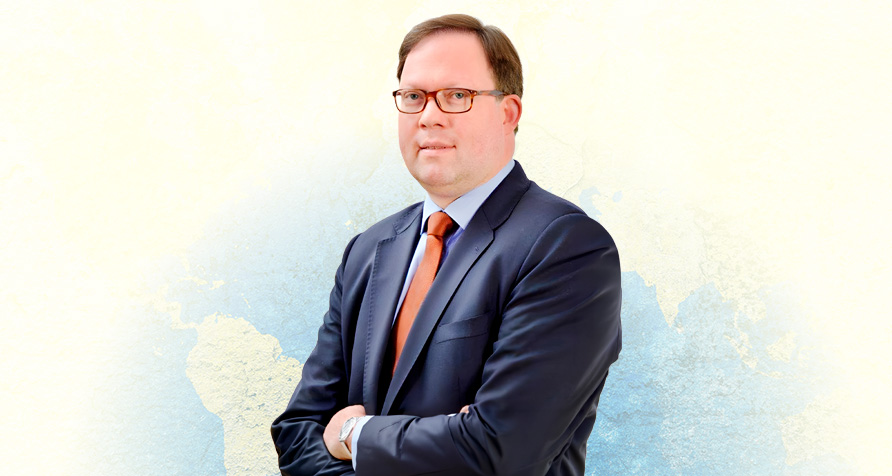
Dr. Jarmo Kotilaine is a seasoned development economist with 30 years’ experience across academia, consultancy, banking and government.
The sequence of events unleashed on February 28 has brought an unprecedented shock to the Gulf region, which had for decades prided itself on being a haven of stability. It is to be hoped that the conflict will conclude swiftly, never to be repeated. But it is equally important to recognise that this was not a one-off, unexpected crisis. Rather, it constituted yet another reflection of the uncertain world we now live in.
This still relatively fresh millennium has delivered an unrelenting sequence of challenges, ranging from the dot-com bubble to the Global Financial Crisis, bouts of extreme oil price volatility, the COVID-19 pandemic and the Ukraine war. For those waiting for things ‘to go back to normal’, the wait has proven long indeed.
A Changing World
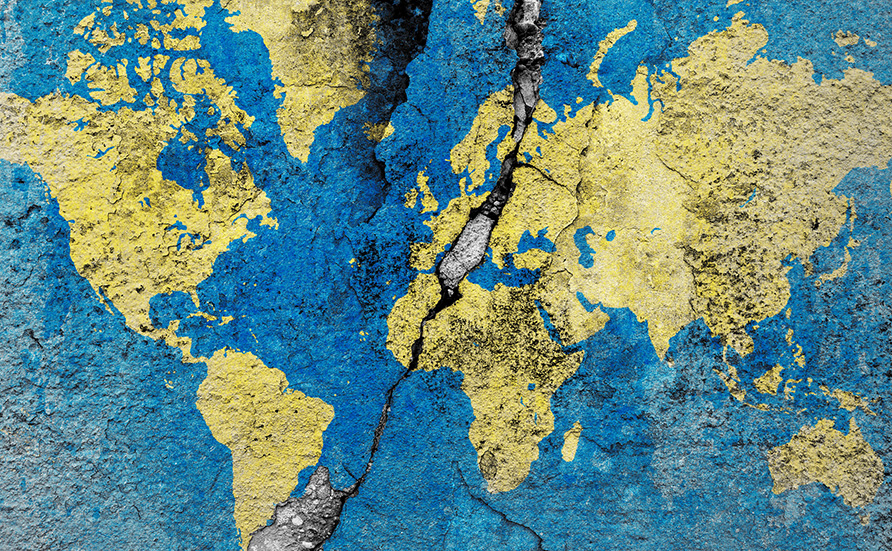
In retrospect, the stable post-World War II order has been fragmenting for some time and the pace is accelerating, fuelled by structural forces that look certain to be with us for a long time. They include climate change, the energy transition, transformative technological change, social divisions, the rise of political populism, global economic fragmentation and the emergence of a multipolar order. Much as we might wish otherwise, this ‘perfect storm’ of disruptive forces will likely continue to deliver surprises.
The Gulf countries can claim a laudable track record of resilience amid this uncertainty. The region gained wide acclaim for its proactive handling of the COVID-19 pandemic.
Policymaking has generally been technocratic and rules-based. Governments have prioritised economic development, underpinned ambitious diversification strategies and shown a commitment to macroeconomic stability. The region has operated with strategic neutrality, seeking to build functional and mutually beneficial economic ties in all directions, thereby capitalising on its exceptional location and history of openness. These factors have served as a source of credibility and confidence in times of trouble.
For a region that will continue to thrive on economic openness, this uncertain world is a call for an even more proactive embrace of resilience. The latest jolt to the system effectively constitutes an opportunity, as well as an imperative, to demonstrate this determination with redoubled force. The world has changed and yesterday’s prescriptions and programmes cannot be assumed to prove fit for purpose as we move ahead. As the well-worn cliché has it, every crisis is an opportunity.
What should this strategic refocusing after the crisis look like? Most fundamentally, amid exceptional uncertainty, people crave certainty. In response to COVID-19, the Government of Bahrain unveiled an ambitious Economic Recovery Plan. It proved instrumental in boosting business and investor confidence by demonstrating the authorities’ seriousness of purpose through a joined-up economic roadmap that identified new opportunities while also tackling challenges such as the fiscal situation.
Strengthening Regional Resilience
Building resilience is also about addressing vulnerabilities. The current crisis has forcefully demonstrated the limitations of very heavy import dependency and the reliance of most Gulf economies on the Strait of Hormuz. The track record of managing these pressures has been laudable, allowing a high degree of economic continuity. But long-term resilience must transition us from effective crisis management to a growing menu of options and deeper buffers.
One of the encouraging side effects of the war has been a renewed sense of purpose around GCC integration. Saudi logistics providers in particular have been highly effective in helping their Gulf partners boost supply chain continuity. There have also been important renewed discussions around boosting regional pipeline capacity.
Regional connective infrastructure has been a key focus for the GCC since its inception. Despite uneven progress, there have been important successes, such as the King Fahd Causeway, power grid interconnectivity and aviation reforms. But the war has further underscored the strategic value of other yet-to-be fully completed designs, such as the GCC Railway, as well as further aspects of energy market integration. By the same token, Bahraini businesses have an opportunity to build resilience through partnerships with other parts of the region.
Another aspect of resilience is supply security. The exceptional import dependency of the Gulf has for years been gaining recognition not only as a potential vulnerability from a security standpoint, but also as a constraint on economic development ambitions. The urgency of the issue has been further accentuated by the ongoing global economic fragmentation.
Building Complexity
Today’s leading economies are characterised by what is known as economic complexity. In essence, sustainable economic development depends on the accumulation of productive knowledge and its application in ever more complex industries. Countries with high economic complexity have been found to be more productive, better at growing their GDP per capita and characterised by relatively less inequality.
What would the roadmap to greater economic complexity look like in the Gulf? Encouragingly, key planks of it already exist, above all the real impetus behind economic diversification. More problematically, increased non-oil activity has not always delivered benefits beyond GDP rebalancing, such as export growth or a meaningful fiscal contribution. There has often been more progress on business formation than business growth.
The most fundamental need of the hour is a structural shift towards more local production of goods and services. It is important to align policy with such ambitions, but to do so sustainably, not in a way that results in white elephants. Success is built on selectively fostering areas of strength underpinned by competitive advantages. Above all, the priority must be fostering scalable activities, with a focus on the open sector of economies – the production of exportable goods and services that can cater to customers internationally.
A complex economy is composed of dynamic businesses. The Schumpeterian idea of ‘creative destruction’ is playing out with unprecedented force. Outdated concepts exit, and should be allowed to do so with minimum cost and pain, while new ones emerge and thrive.
But what matters just as much is the inherent dynamism of companies: a relentless focus on looking for better ways of operating, whether through more effective cost management, new sales channels, product development, innovation or a focus on value creation to escape the slippery slope of eroding competitiveness. Just as countries need to increase the range of options available to them, businesses must do the same.
Tags #btm may 2026 #gulf economic complexity #bahrain economy #gcc railway #economic diversification gcc #bahrain business resilience #gulf supply chains #gcc integration #bahrain economic recovery #gulf economic resilience
Digital Edition
Bahrain This Month
September 2026
Related Articles

The Next Summit
Fri, 04 Sep 2026
Connected Care
Fri, 04 Sep 2026

Pearlhouse: Your Key to the Best of Modern Manama
Fri, 04 Sep 2026