







A Call for Peace
by: BTM - Sat, 11 Apr 2026
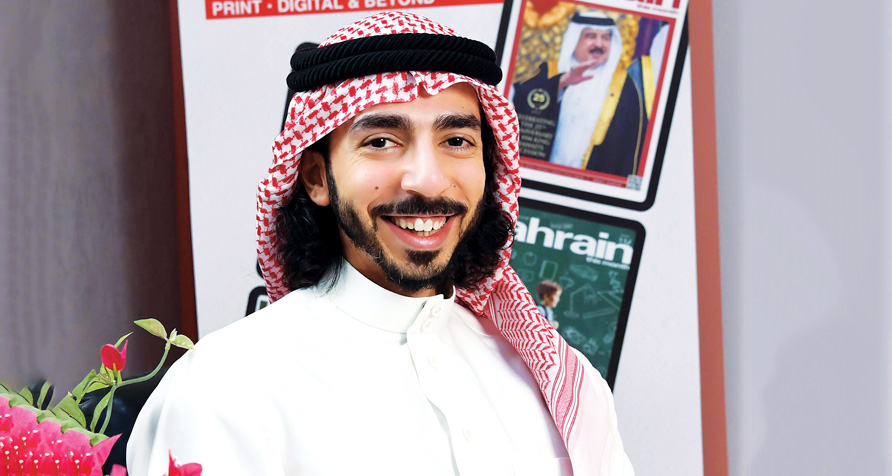
Bahraini pianist and composer Fares Ahmadi reflects on his original solo piece Waltz for Peace, a restrained composition shaped by recent events, and discusses Bahrain’s influence, personal experience, and his approach to creating music with honesty.
What prompted you to sit down and begin composing Waltz for Peace?
One afternoon, I was deeply affected by the sound of sirens and missile interceptions, and I found myself sitting at the piano as a way to process what I was feeling. I felt a responsibility to respond somehow, and music was the only honest way I knew how. It became an outlet for emotions I could not easily put into words, and from that very emotional and sincere place, the music gradually became a call for peace.
The piece is notably restrained. Why was simplicity the right approach for this composition?
I did not want to focus on making something grand or complicated. I wanted it to be simple, sincere, and emotionally direct. Piano felt more intimate, more honest, and more human for expressing what I wanted to say, and I think that restraint allowed the message to come through more clearly.
You describe the work as a call for peace. What does that message mean to you from a Bahraini perspective today?
From a Bahraini perspective, peace is something deeply human and deeply valued. We are a people shaped by coexistence, openness, and respect for others from different backgrounds and cultures. For me, this call for peace reflects that spirit, and a hope to preserve compassion, dignity, and our shared humanity.
In what ways has living in Bahrain influenced how and why you create music?
Living in Bahrain has influenced me through its sense of openness and cultural diversity. It is a place where different backgrounds and traditions exist side by side, and that shaped the way I see expression.My path led me to the piano from a young age, and Bahrain gave me the space to grow into that and develop a voice that still feels connected to where I come from.
You balance music alongside your work as a civil engineer and movement coach. How do these different disciplines shape your creative process?
They each teach me something different. Engineering brings precision and long-term thinking. Coaching builds awareness, rhythm, and presence. Music brings those qualities together in a more emotional form, and they shape how I build, refine, and feel my work.
The artwork reflects a quiet, familiar moment. Why was it important for you to anchor the piece in a sense of everyday life?
That is how I envision peace. Not something distant, but the simplicity of everyday life lived with safety, dignity, and calm. I wanted the artwork to reflect a familiar moment because those ordinary moments are what peace protects. It also reflects the peaceful beauty of life on our island as we have known it.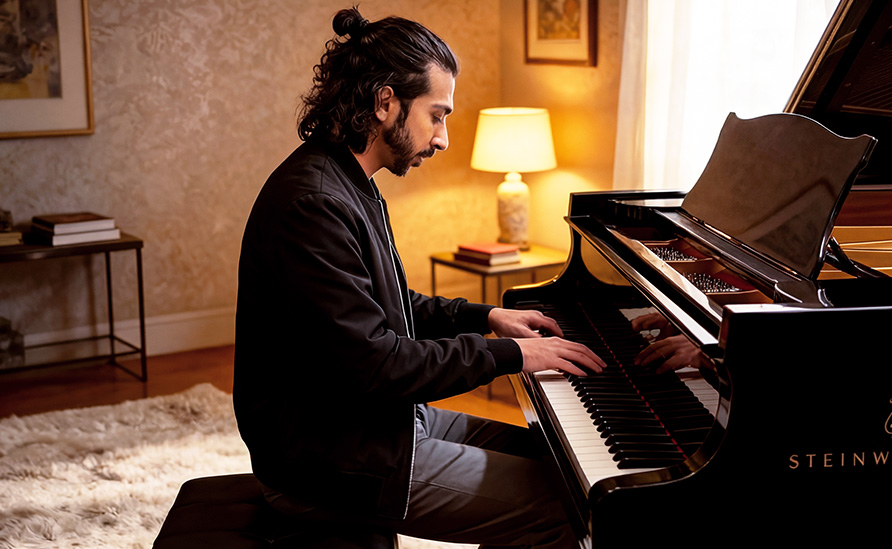
You are currently working towards a larger project following your health journey. How has that experience influenced the way you approach music now?
That experience changed my relationship with music. When I became ill, it was often difficult to express what I was going through in words, and music became the way I could express it. It made me less interested in creating to impress, and more focused on creating something truthful, meaningful, and emotionally honest.
What message or advice would you share with young creatives in Bahrain today?
Create something real. Do not get distracted by trends or the need to be constantly seen. Build your craft seriously, stay honest about what you want to say, and recognise the value of your own perspective. What will make your work stand out is sincerity, discipline, and identity.
Digital Edition
Bahrain This Month
October 2026
Related Articles

8 Films, Endless Wonders!
Fri, 04 Sep 2026

Coming to Cinema - April 2026
Sat, 11 Apr 2026

Above the Noise
Tue, 10 Mar 2026