







Faith, Sacrifice & Celebration
by: BTM - Fri, 08 May 2026
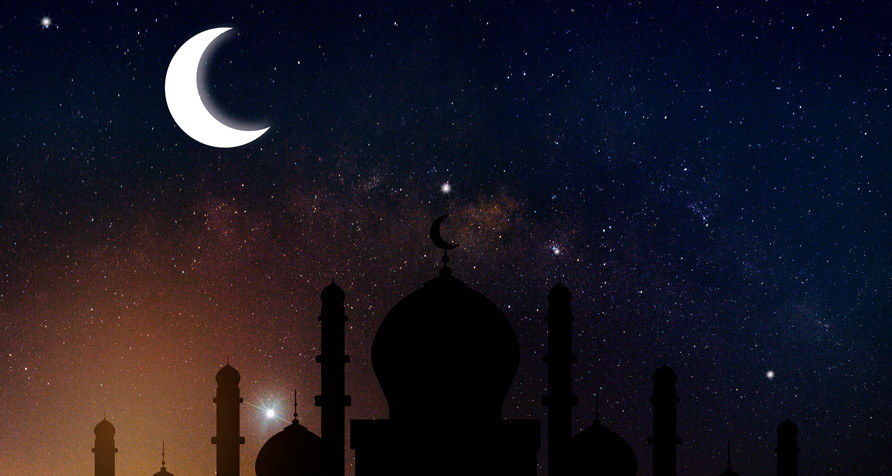
Eid Al-Adha brings together faith, family and generosity, marking one of Islam’s most important occasions while reflecting rich traditions across Bahrain, the Gulf and the wider Muslim world.
Eid Al-Adha, often known as the Festival of Sacrifice, is one of the two major Eids celebrated by Muslims each year. While Eid Al-Fitr marks the end of Ramadan, Eid Al-Adha falls during the month of Dhul Hijjah, the final month of the Islamic calendar. It coincides with the Hajj pilgrimage to Mecca, when millions of Muslims from around the world gather in one of the most profound acts of worship in Islam.
At the heart of Eid Al-Adha is the story of Prophet Ibrahim, who was prepared to sacrifice his son in obedience to God’s command. In Islamic tradition, God intervened and provided a ram to be sacrificed instead. This act of devotion, trust and submission gives the occasion its central meaning. Eid Al-Adha is therefore not only a time of celebration, but also a reminder of faith, patience, humility and the importance of giving to others.
 A
A
Sacred Occasion
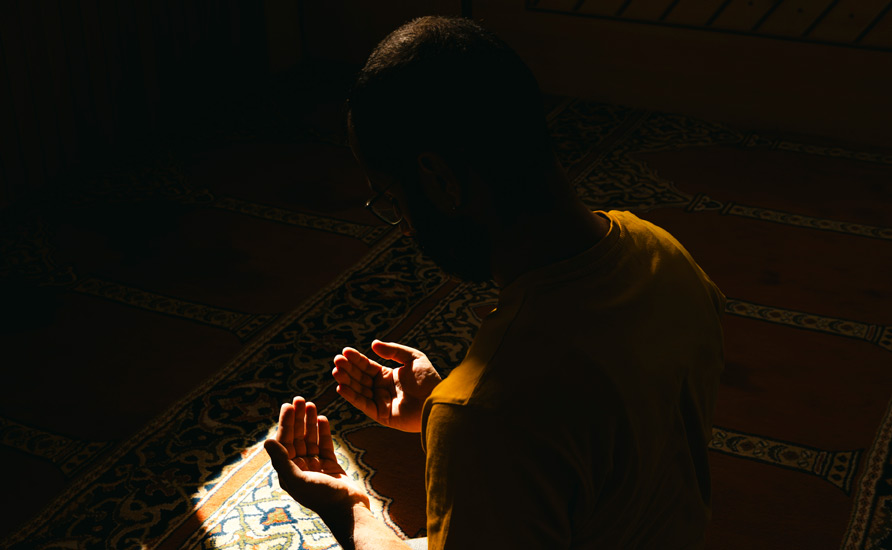
The days leading up to Eid Al-Adha are deeply significant. For those performing Hajj, the occasion is tied to the completion of key pilgrimage rituals, including the Day of Arafah. For Muslims who are not on pilgrimage, the period is still marked by prayer, reflection, fasting on the Day of Arafah for many and preparation for Eid.
On the morning of Eid, Muslims gather for special congregational prayers. Families dress in new or carefully chosen clothing,
exchange greetings and visit relatives, neighbours and friends. The phrase ‘Eid Mubarak’ is heard across homes, mosques and public spaces, carrying with it a spirit of goodwill and shared happiness.
One of the most important traditions is the sacrifice of an animal, usually a sheep, goat, cow or camel, depending on the region and family circumstances. The meat is traditionally divided into portions: one for the family, one for relatives and friends and one for those in need. This practice reinforces the values at the heart of Eid Al-Adha – gratitude, compassion and social responsibility.
Bahrain’s Eid Spirit
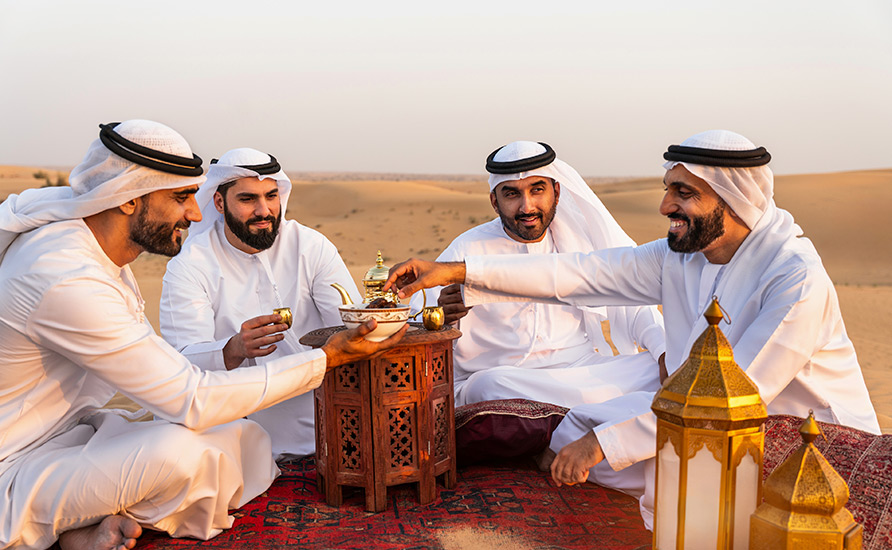
In Bahrain, Eid Al-Adha is celebrated with a distinctive warmth rooted in family life, hospitality and community. The day often begins with prayers at mosques and prayer grounds, followed by visits to parents, grandparents and extended family members. These gatherings are central to the Bahraini experience of Eid, with homes opening their doors to guests throughout the day.
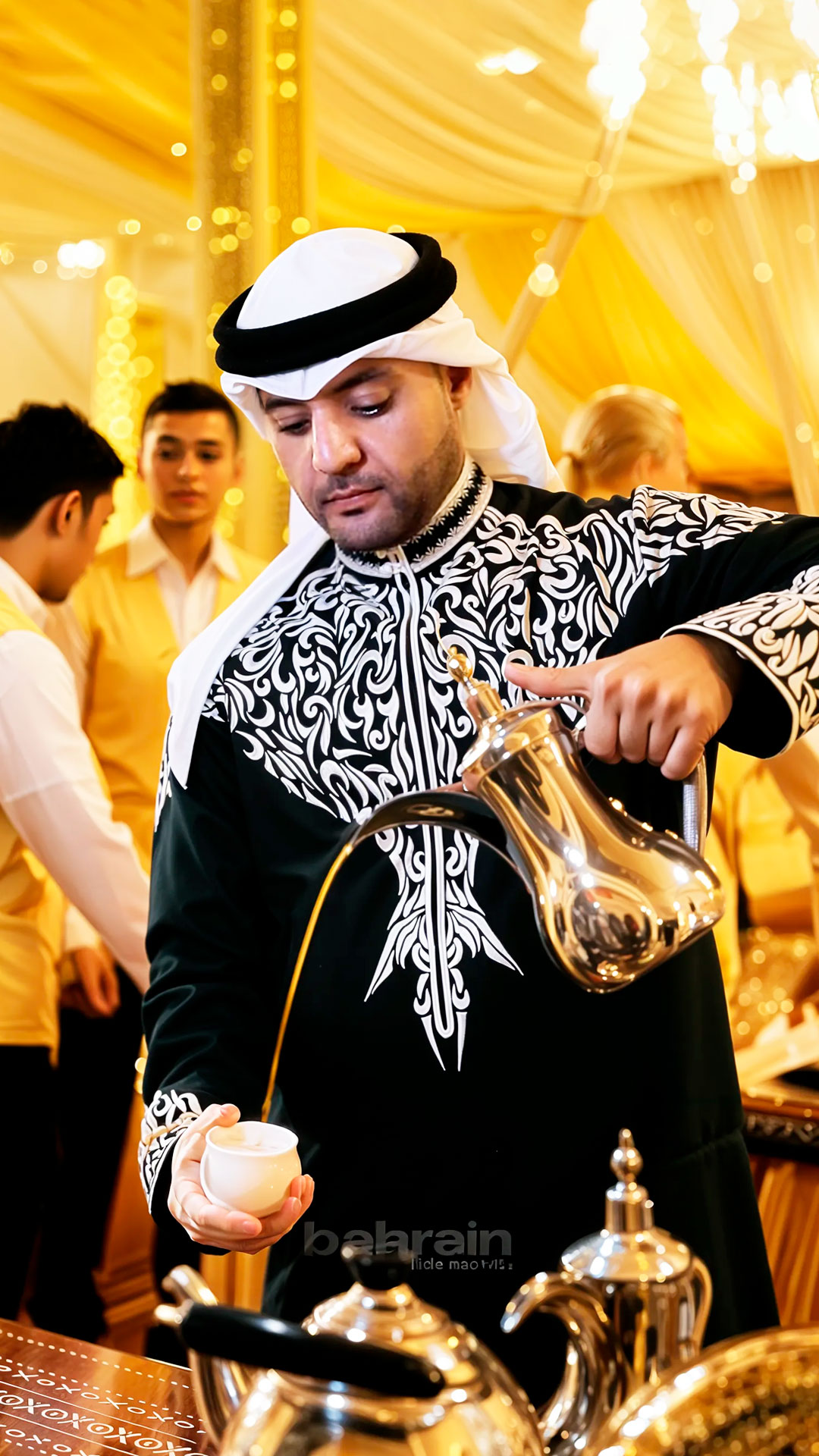
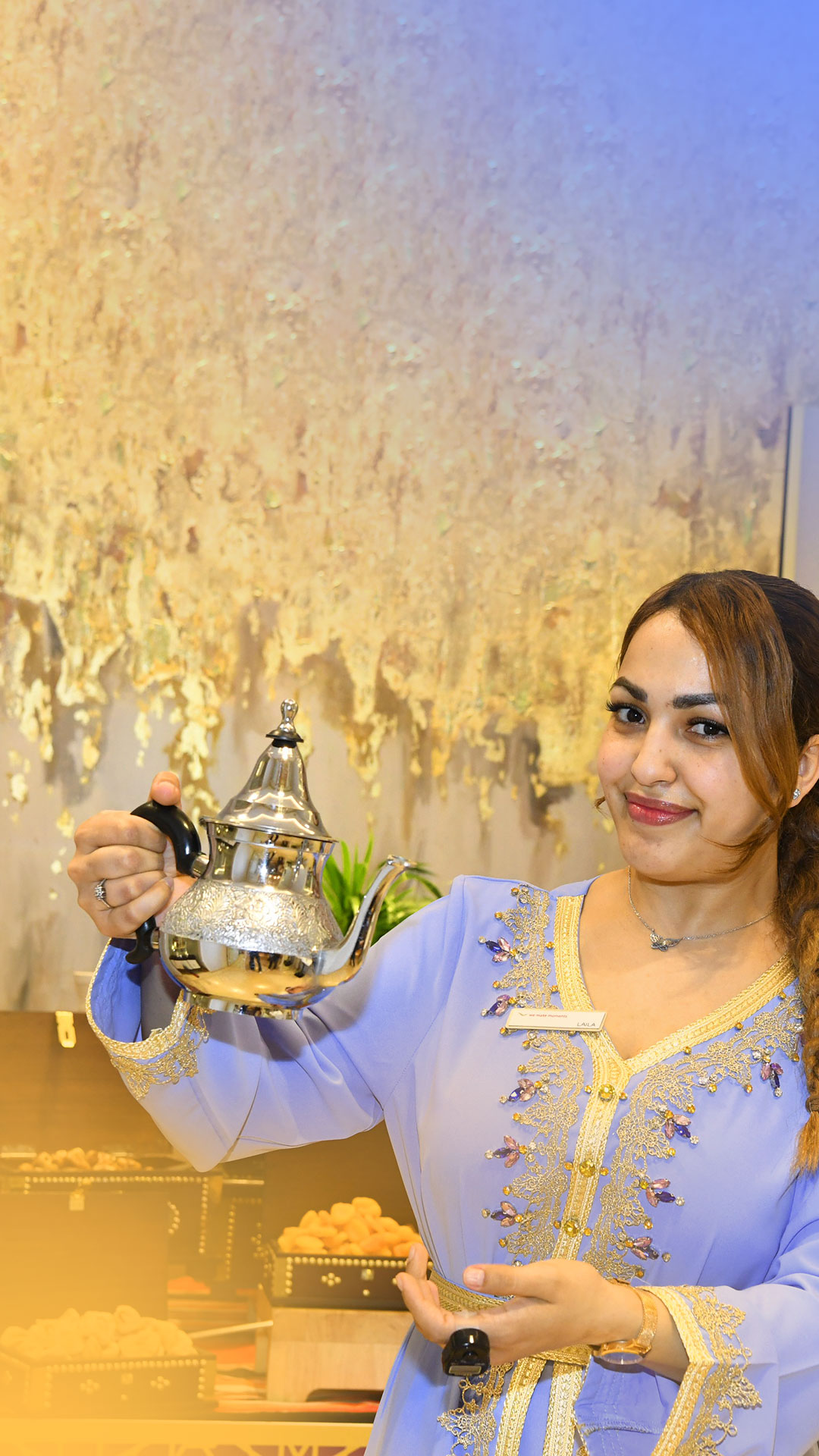
Traditional food plays a major role in the celebrations. Families often prepare generous meals featuring rice dishes, meat, spices and sweets, while Arabic coffee and dates remain an essential part of welcoming guests. Children receive Eidiya, a gift of money given by elders, adding excitement and joy to the occasion.
Across Bahrain, Eid is also a time for public celebration. Shopping malls, hotels, restaurants and cultural venues often host special activities, family brunches, entertainment and staycation offers. While the religious meaning remains central, the long holiday also gives families an opportunity to relax, reconnect and enjoy the island’s hospitality.
Across The Gulf
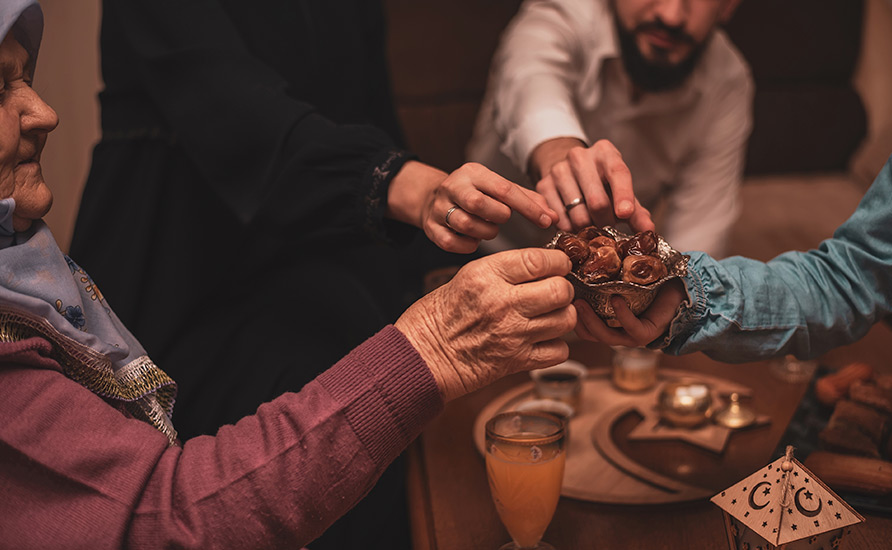
Throughout the Gulf, Eid Al-Adha shares many common traditions. In Saudi Arabia, the occasion is especially significant because of its connection to Hajj, with Mecca and Medina becoming the spiritual focus of the Muslim world. In the UAE, Kuwait, Qatar and Oman, families gather for prayers, visits and large meals, while charitable giving remains an important part of the season.
Gulf traditions often emphasise the majlis as a place of gathering. Guests are welcomed with coffee, dates, perfumes and sweets, while elders are visited as a sign of respect. Clothing is also part of the celebration, with men often wearing crisp national dress and women choosing elegant traditional or contemporary outfits for family visits and social occasions.
A Global Celebration
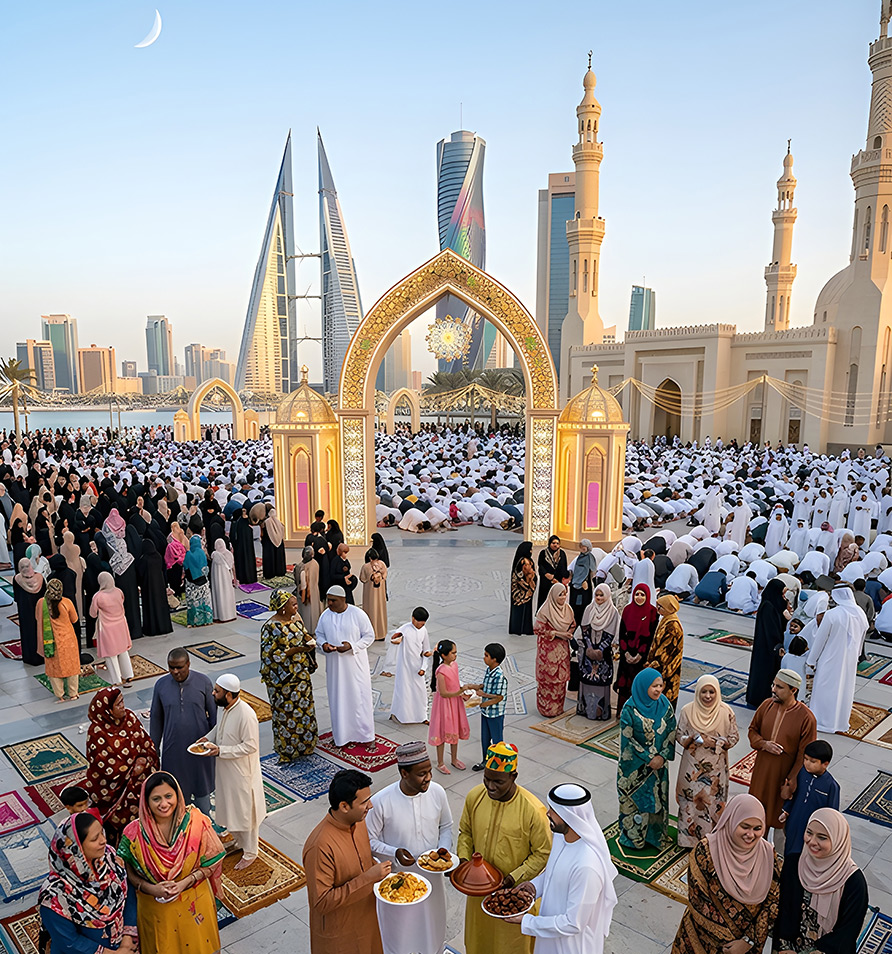
Across the wider Muslim world, Eid Al-Adha reflects both shared faith and local culture. In Egypt, streets and homes become lively with family gatherings and charitable distribution. In Turkey, the holiday is known as Kurban Bayramı and is marked by visits to elders, family meals and acts of giving. In South Asia, including Pakistan, India and Bangladesh, the occasion brings together prayer, sacrifice, festive cooking and extended family visits.
In parts of Africa, Southeast Asia and Europe, Muslim communities celebrate according to local customs while preserving the central themes of worship, sacrifice and generosity. Whether in a village, a city mosque or a family home far from ancestral roots, Eid Al-Adha continues to connect Muslims through a shared sense of purpose.
For Bahrain and the wider Muslim world, Eid Al-Adha remains a powerful reminder that celebration is at its most meaningful when it is grounded in faith, kindness and care for others.
Digital Edition
Bahrain This Month
October 2026
Related Articles
Saudi in Bahrain
Fri, 04 Sep 2026

Hit the Road
Fri, 04 Sep 2026
Beyond the Tourist Trail - Saudi Arabia
Fri, 04 Sep 2026