














Beyond the Tourist Trail - Saudi Arabia
by: BTM - Fri, 04 Sep 2026
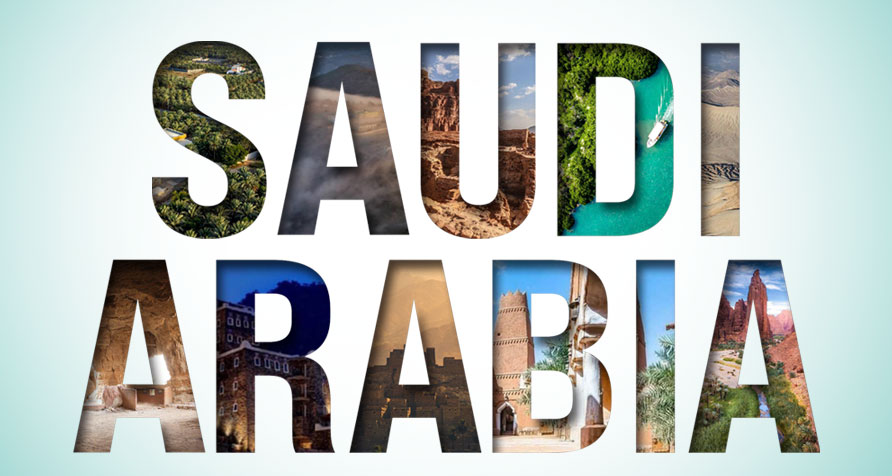
Saudi Arabia’s headline attractions have captured global attention, but some of the Kingdom’s most memorable experiences lie beyond its best-known landmarks. Across the country, volcanic landscapes give way to lush mountain regions, while ancient settlements and pristine islands reveal a side of the Kingdom that many travellers have yet to discover.
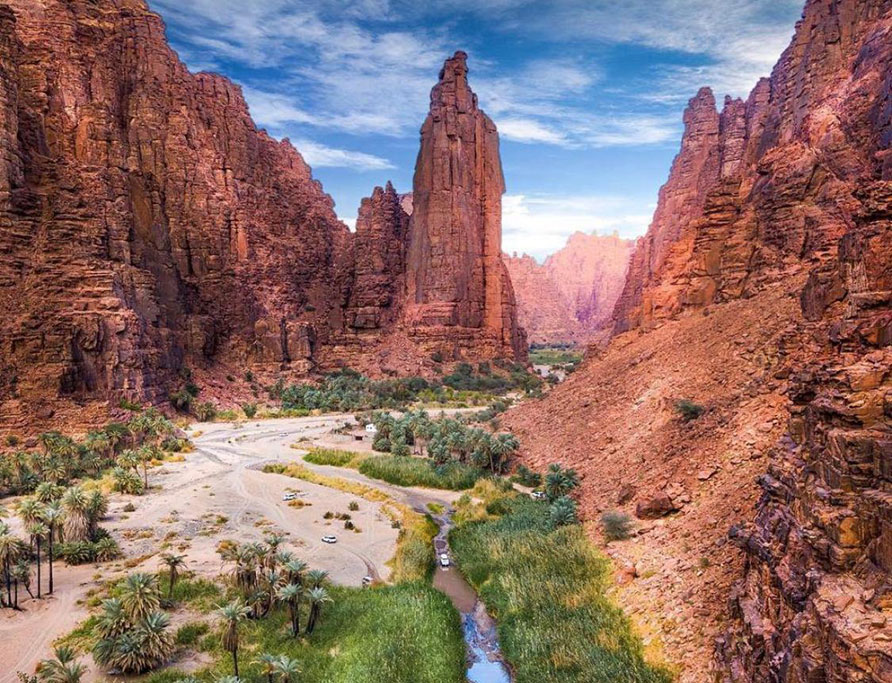
WADI DISAH
In the Tabuk region, Wadi Disah cuts through towering sandstone cliffs, with freshwater streams running between thick groves of palm trees. The name translates to ‘Valley of Palm Trees’, an apt description for a place where greenery flourishes against a dramatic desert backdrop.
Travellers can follow routes through the canyon on foot or by four-wheel drive, stopping along the way to take in immense rock formations above the valley floor. Its relative seclusion adds to the experience, particularly for those looking to explore Saudi Arabia’s natural landscapes away from major tourism centres.
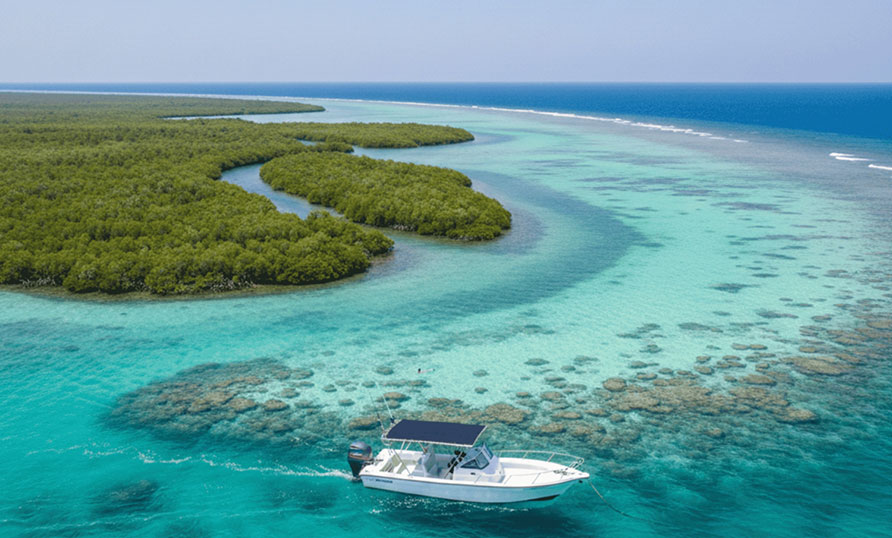
FARASAN ISLANDS
More than 80 islands make up the Farasan archipelago off Saudi Arabia’s south-western coast, surrounded by the coral-rich waters of the Red Sea. White beaches and clear water make the protected area particularly appealing for those looking beyond the Kingdom’s increasingly prominent mainland resorts.
The surrounding reefs support abundant marine life, creating excellent conditions for diving and snorkelling. Arabian gazelles can also be found on the islands. With considerably fewer visitors than many established Red Sea destinations, Farasan retains a sense of isolation that is becoming increasingly difficult to find elsewhere.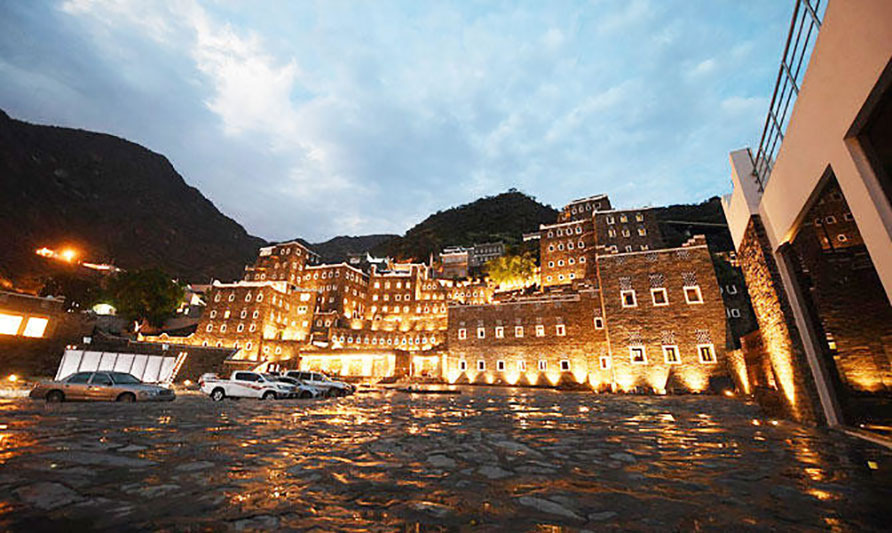
RIJAL ALMAA
The multi-storey stone towers of Rijal Almaa have stood among the Asir Mountains for centuries, distinguished by brightly painted windows and architectural details unique to the region.
The village once occupied an important position on trade routes connecting Yemen with Makkah and Madinah. Today, restored buildings preserve much of that history and provide an insight into Asiri heritage. Set against the surrounding mountains, the village a
AL AHSA OASIS
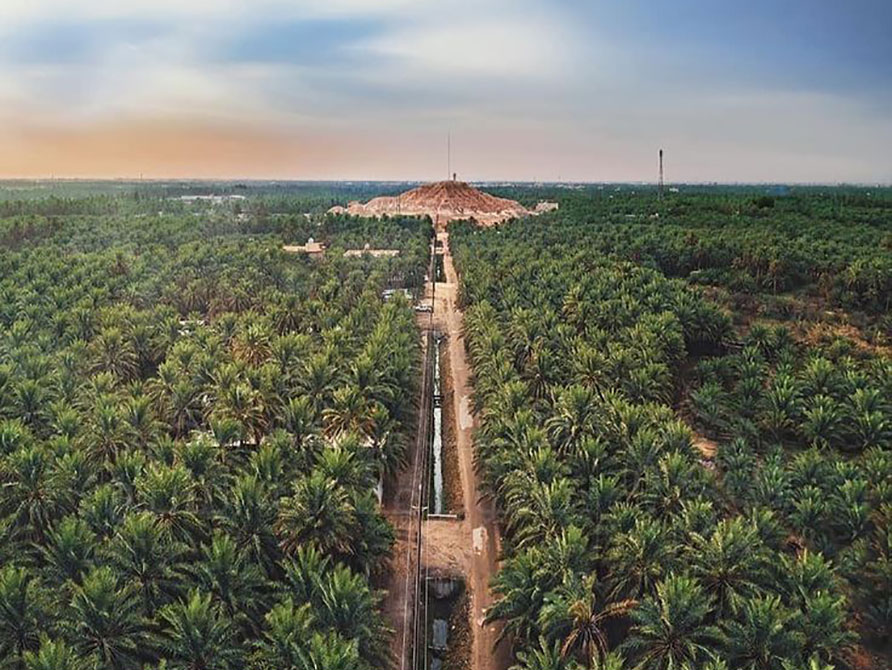
More than two million date palms stretch across Al Ahsa, forming the world’s largest oasis and a landscape recognised by UNESCO as a World Heritage Site.
Communities have thrived here for thousands of years, supported by natural springs and fertile land. Traditional souqs sit alongside historic neighbourhoods that reflect the area’s long relationship with agriculture. Beyond the palm groves, the surrounding region holds further surprises for travellers exploring eastern Saudi Arabia.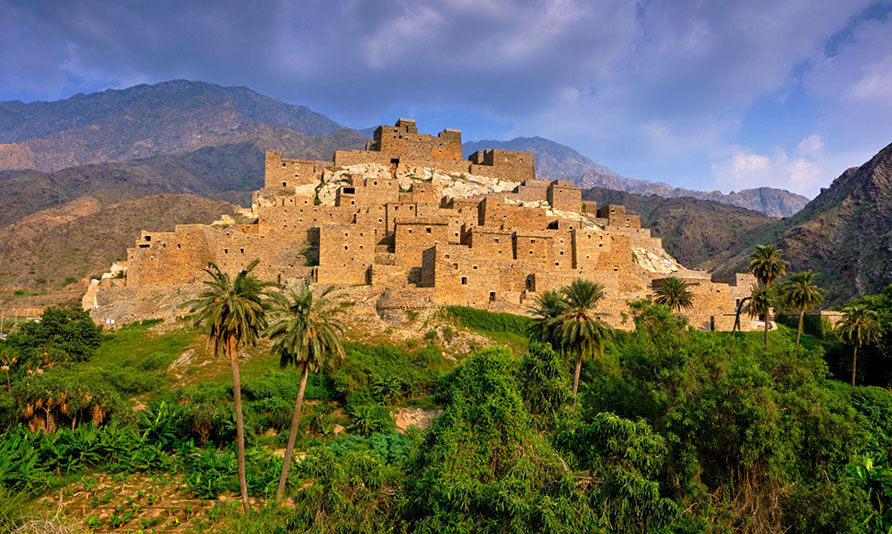
THEE AIN HERITAGE VILLAGE
Built on a white marble outcrop in Al Baha Province, Thee Ain’s centuries-old stone houses appear to rise directly from the mountainside. The settlement overlooks cultivated land below and is often known as the Marble Village because of the distinctive rock on which it stands.
Its tightly packed buildings reflect the traditional architecture of Saudi Arabia’s mountainous south-west. From its elevated position, visitors can look across the surrounding valley, while the pale stone takes on a striking appearance as the light changes towards sunset.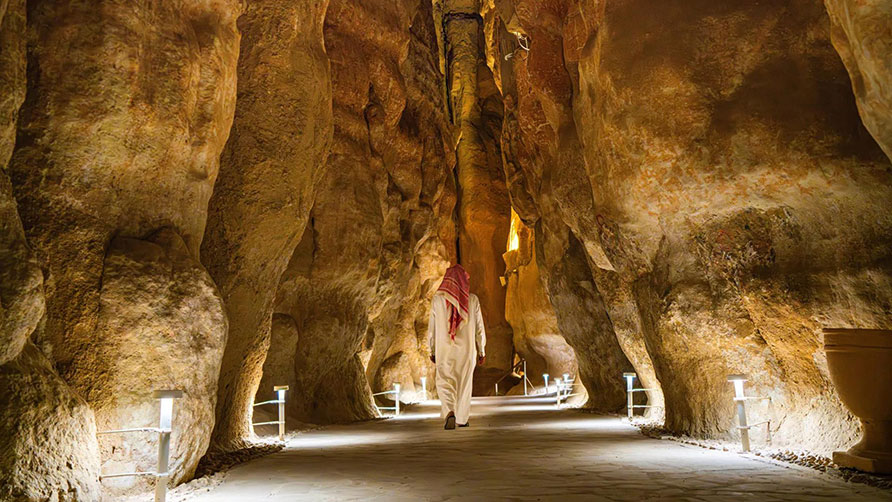
JABAL QARAH
Rising from Al Ahsa’s eastern landscape, Jabal Qarah contains a network of narrow passages formed within its distinctive limestone rock. Erosion over thousands of years has created dramatic openings between towering walls, some of which lead into naturally cool interior spaces.
The temperature inside remains noticeably more comfortable than outside during warmer periods, adding a practical advantage to the mountain’s geological appeal. Its proximity to Al Ahsa Oasis also makes the two easy to experience as part of the same journey.
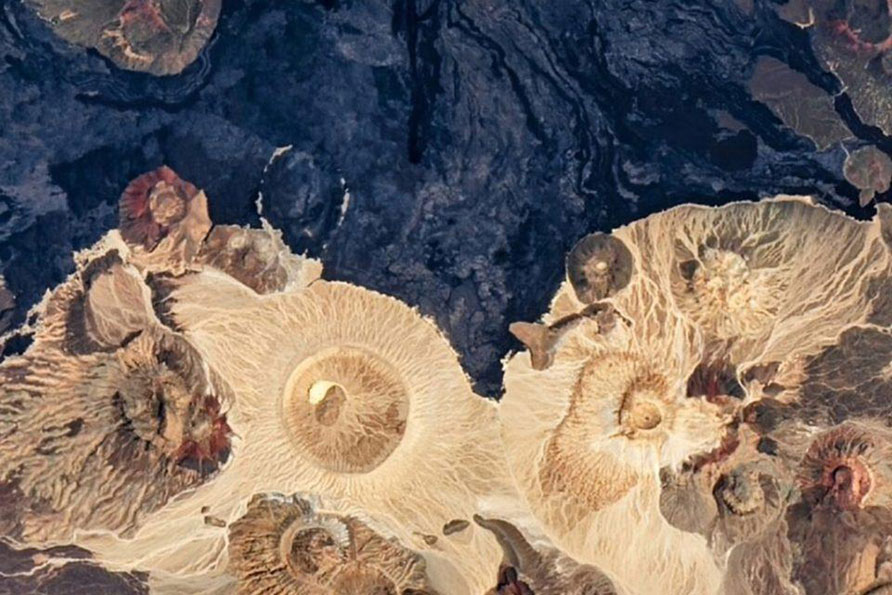
HARRAT KHAYBAR
North of Madinah, Harrat Khaybar stretches across thousands of square kilometres of ancient lava fields shaped by volcanic activity. Black basalt dominates much of the landscape, interrupted by volcanic cones and areas of much paler rock.
The contrast is particularly striking when seen from above, where the scale of the volcanic field becomes apparent. Harrat Khaybar provides a fascinating glimpse into the geological forces that shaped western Arabia and remains one of the country’s most unusual landscapes to explore.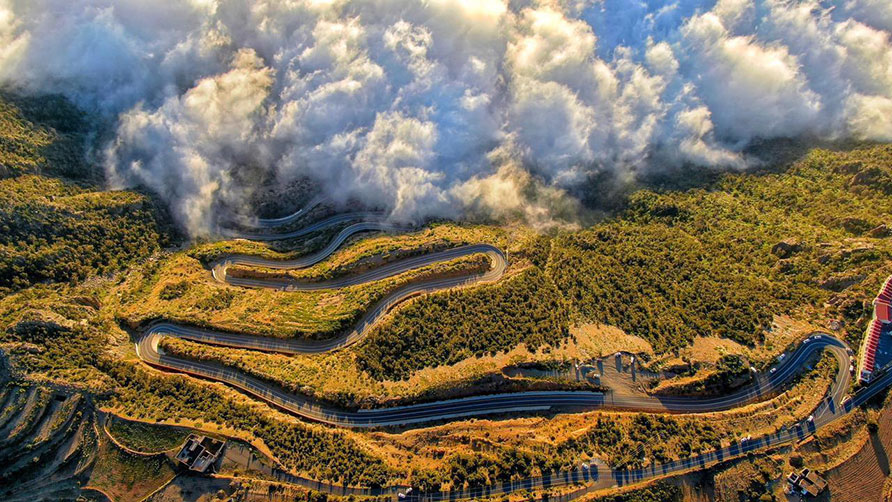
ASIR HIGHLANDS
Rising to more than 3,000 metres, the Asir Highlands experience cooler temperatures and greater rainfall than much of Saudi Arabia, creating one of the Kingdom’s greenest landscapes.
Forested slopes stretch across the region, with traditional villages appearing between winding mountain roads. Asir is also an important coffee-growing area, where Khawlani coffee has been cultivated for generations. During the summer months, the altitude provides welcome relief from the intense temperatures experienced elsewhere in the Kingdom.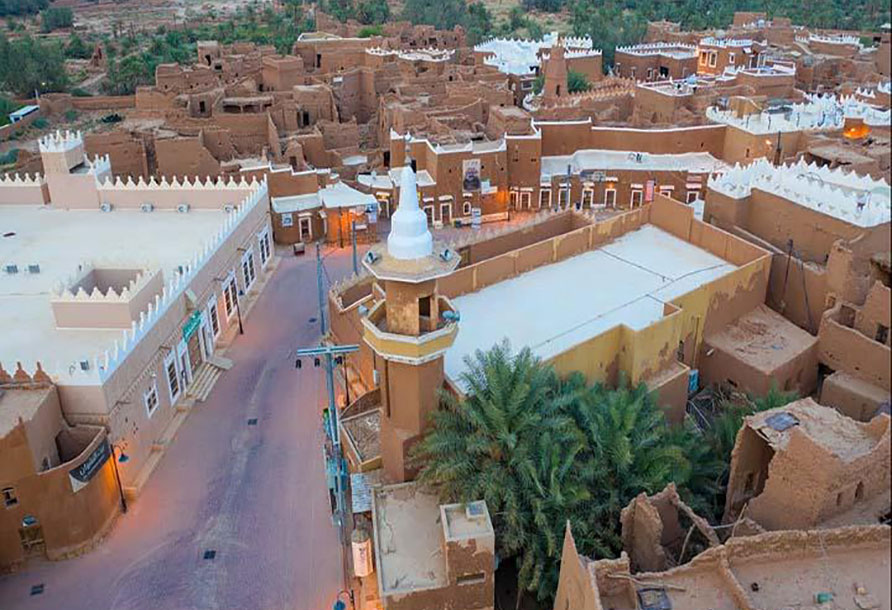
USHAIQER HERITAGE VILLAGE
Around 200km north-west of Riyadh, the mudbrick settlement of Ushaiqer has stood for centuries along historic pilgrimage routes towards Makkah. It became an important stopping point for travellers crossing the Arabian Peninsula long before the development of Saudi Arabia’s modern cities.
Restored homes are connected by narrow lanes, with traditional wooden doors and shaded courtyards retaining much of the settlement’s original character. Local museums provide further
DADAN AND JABAL IKMAH
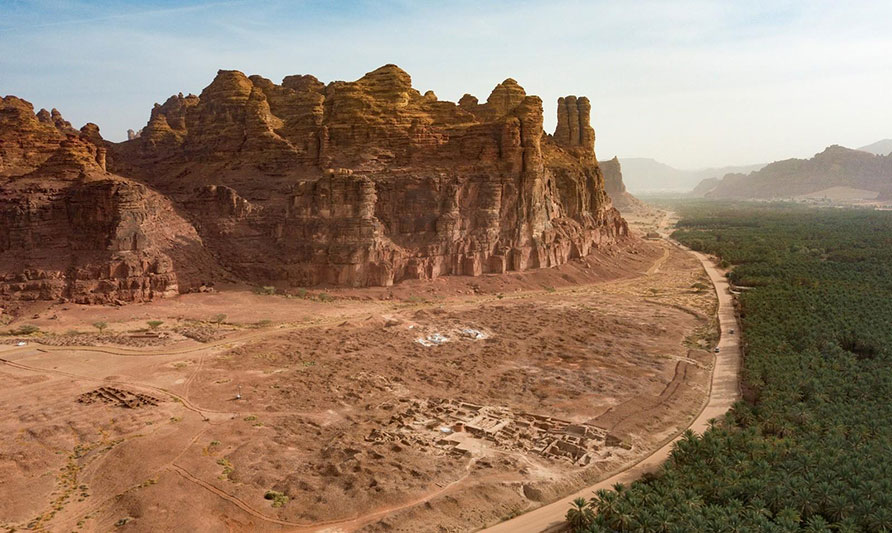
Just beyond Hegra in AlUla lie the remains of Dadan, once the capital of powerful ancient Arabian kingdoms, and Jabal Ikmah, where hundreds of inscriptions survive across the sandstone. Dadan served as the capital of the Dadanite and later Lihyanite kingdoms, which prospered along ancient trade routes through north-west Arabia. At nearby Jabal Ikmah, inscriptions written in several ancient languages and scripts record aspects of life in the region across centuries.
Often compared to an open-air library, Jabal Ikmah adds another layer to AlUla’s history and provides compelling evidence that the region’s story extends even beyond its famous Nabataean tombs.
Tags #saudi in bahrain 2026 #saudi in bahrain #btm september 2026 #alula heritage sites #asir highlands #al ahsa oasis #farasan islands #wadi disah #saudi tourist attractions #saudi arabia travel #places to visit in saudi arabia #hidden gems saudi arabia
Digital Edition
Bahrain This Month
October 2026
Related Articles
From Sakhir to Sepang
Mon, 05 Oct 2026

A Healthier Way Forward
Mon, 05 Oct 2026

The New Health Rules
Mon, 05 Oct 2026