



















The Italian Touch
by: BTM - Sun, 08 Nov 2026
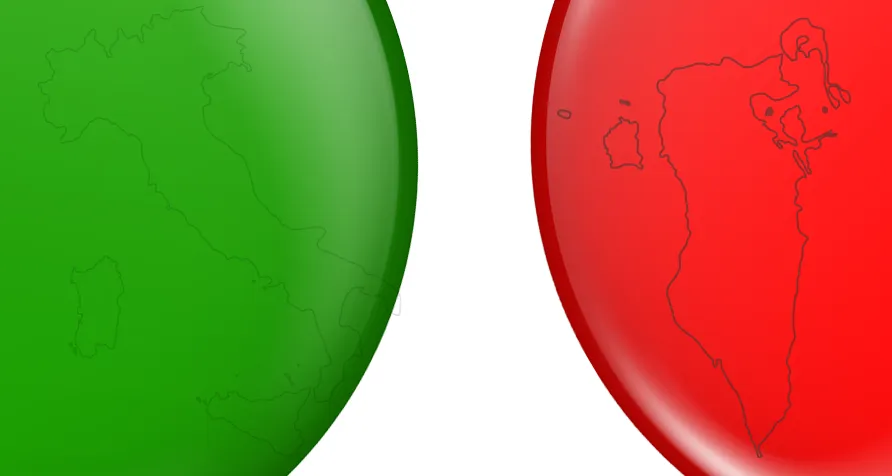
Italy’s connections with Bahrain extend well beyond the familiar worlds of fashion and food. Across the Kingdom, Italian craftsmanship and expertise have played a role in landmark buildings and major infrastructure.
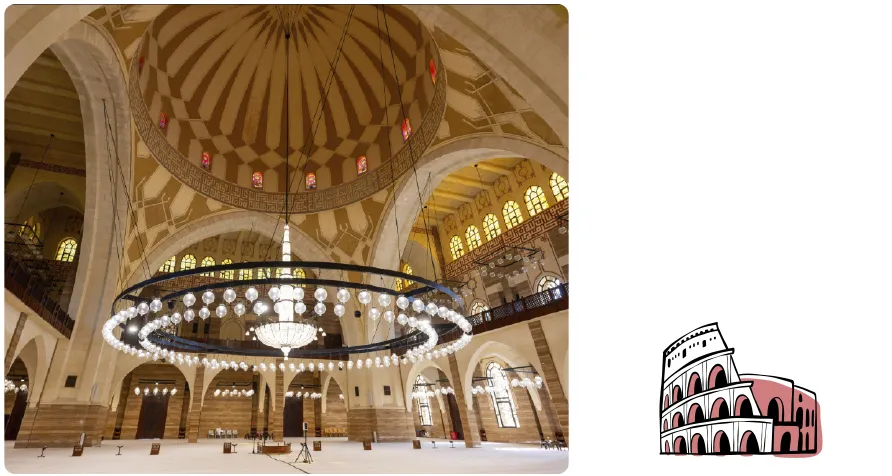
Marble Underfoot
At Al Fateh Grand Mosque, marble sourced from Italy covers the floors and sections of the interior walls, contributing to the grandeur of a space capable of accommodating thousands of worshippers.
The stone is one element of an interior drawing on materials and workmanship from around the world. Its vast dome is made of fibreglass, the principal chandelier was produced in Austria and its doors were crafted from Indian teak. The Italian marble takes its place among these international contributions to one of Bahrain’s most prominent religious landmarks.
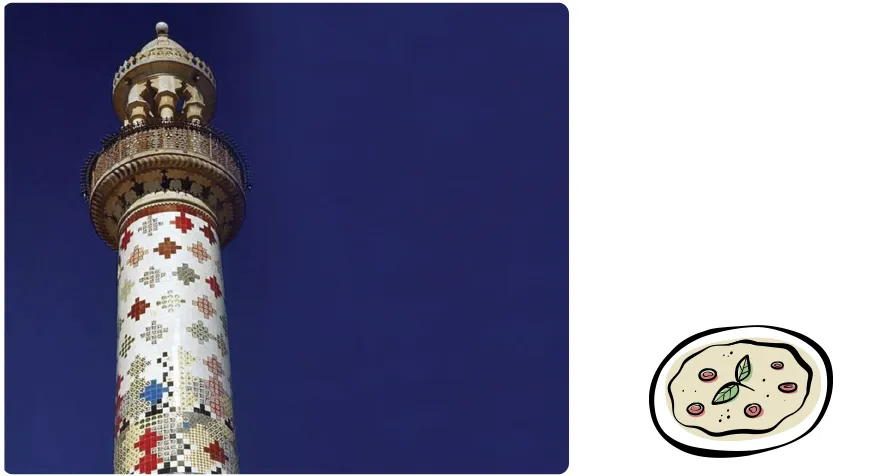
Mosaic by Mosaic
At Al Fadhel Mosque in old Manama, specialists from Italy helped restore its historic minaret. The project brought the Rome-based Centro di Conservazione Archeologica (CCA) together with the Bahrain Authority for Culture and Antiquities.
Led by conservation specialist Roberto Nardi, the CCA team spent almost four years on the restoration. Archival photographs were studied to establish the minaret’s original appearance and decorative patterns before its intricate exterior could be reconstructed.
More than two million pieces of mosaic, stained glass and Buccino marble were used in the process. The restoration involved 35 CCA team members, while preparations included work in Venice to reproduce elements required for the mosaics.
The painstaking restoration applied Italian conservation skills to recovering the details of a Bahraini landmark that has long formed part of Manama’s streetscape.
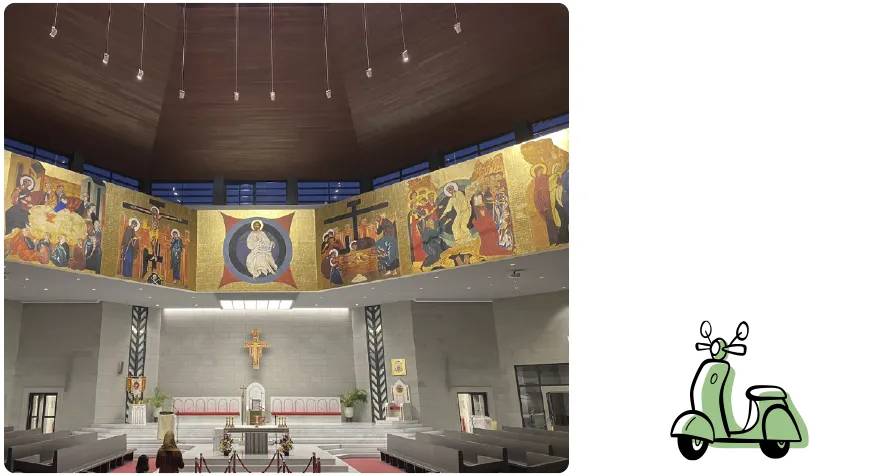
An Italian Vision
The Cathedral of Our Lady of Arabia in Awali was conceived by Italian designer and architect Mattia Del Prete and Cristiano Rosponi. Inaugurated in December 2021, the cathedral can accommodate around 2,300 people.
Its tent-shaped design draws inspiration from the biblical tent of meeting, with an octagonal dome rising above the interior. Del Prete and Rosponi translated that reference into the architecture of a cathedral built for the Catholic community in Bahrain.
The cathedral’s foundation stone adds a direct connection with Rome. Taken from the Holy Door of St Peter’s Basilica in the Vatican, it was gifted to the faithful of Arabia and incorporated into a building conceived by Italian designers thousands of kilometres away.
Pearling Preserved
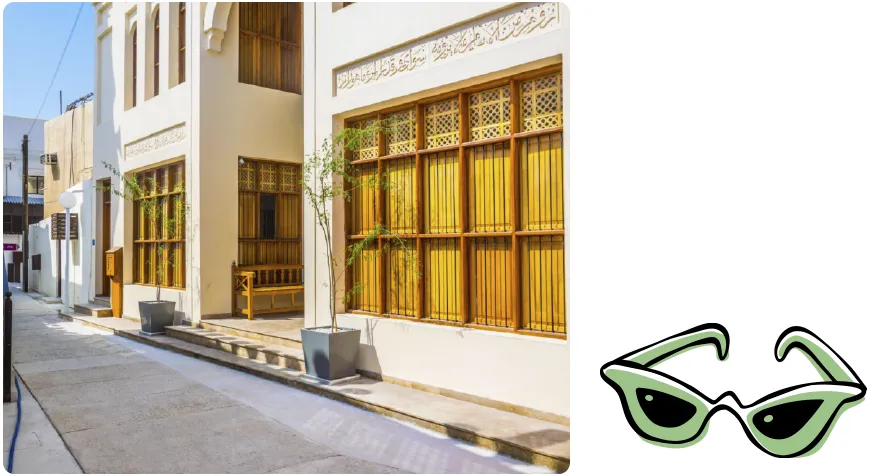
Italian specialists have also contributed to conservation work in historic Muharraq. Milan-based Studio Gionata Rizzi has been involved in conservation approaches associated with the UNESCO-listed Pearling Path, while other specialists have undertaken structural investigations and developed strategies for strengthening properties along the route.
The conservation effort addresses the structural demands of ageing properties while protecting the architectural character of historic Muharraq.
In 2021, Bahrain presented In Muharraq: The Pearling Path at the Venice Architecture Biennale, with Studio Gionata Rizzi among the contributors represented. The exhibition took Bahrain’s work in Muharraq to one of the world’s leading international platforms for architecture.
Water Works
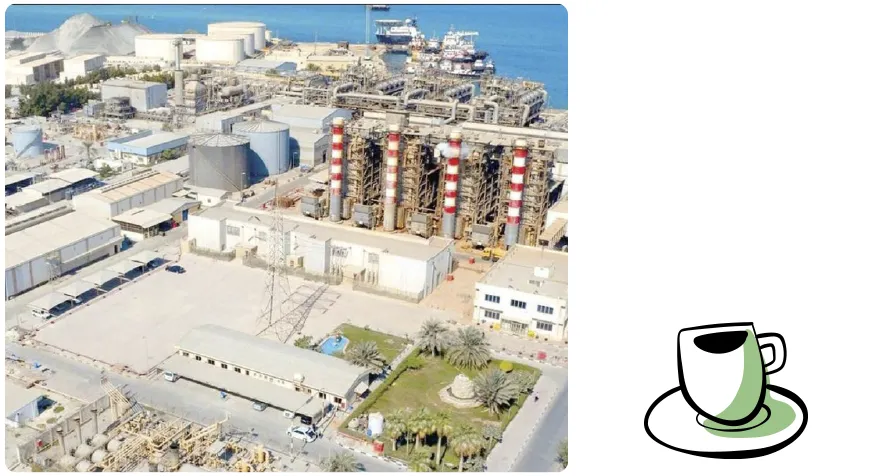
During the 1980s, Italian engineering company Italimpianti worked on major desalination developments in Sitra as Bahrain expanded its capacity to produce drinking water.
The company was involved in Sitra II and Sitra III, which used Multi-Stage Flash desalination technology. Sitra II, completed in 1987, added 23,000 cubic metres of daily desalination capacity.
Unlike the marble at Al Fateh or the mosaics of Al Fadhel, the Italian contribution at Sitra was largely out of public view. Its impact was practical, with engineering expertise contributing to the infrastructure required to meet Bahrain’s growing demand for water.
Refining Bahrain
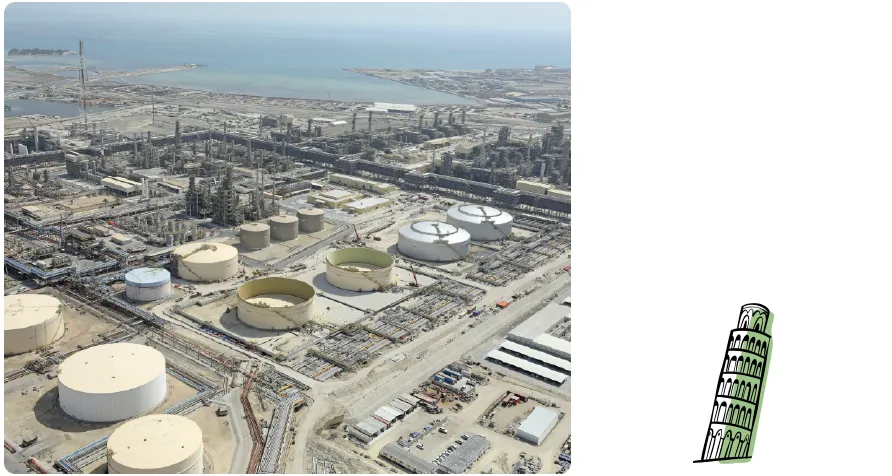
Italian engineering has also played a part in the development of Bahrain’s oil industry. In 2017, an international consortium led by Technip Italia secured a contract worth approximately €3.5 billion for the expansion and modernisation of Bapco’s refinery.
The programme was designed to increase the refinery’s capacity while improving its energy efficiency and environmental performance. Italy’s Ministry of Foreign Affairs described the contract at the time as a significant achievement for Italian industry in Bahrain, particularly in engineering and construction.
According to the Italian Embassy in Manama, Italian machinery and technology have been used in Bahrain’s industrial development since the 1970s and 1980s, with Italian companies maintaining a presence in the refining and petrochemical sectors.
 Modern Materials
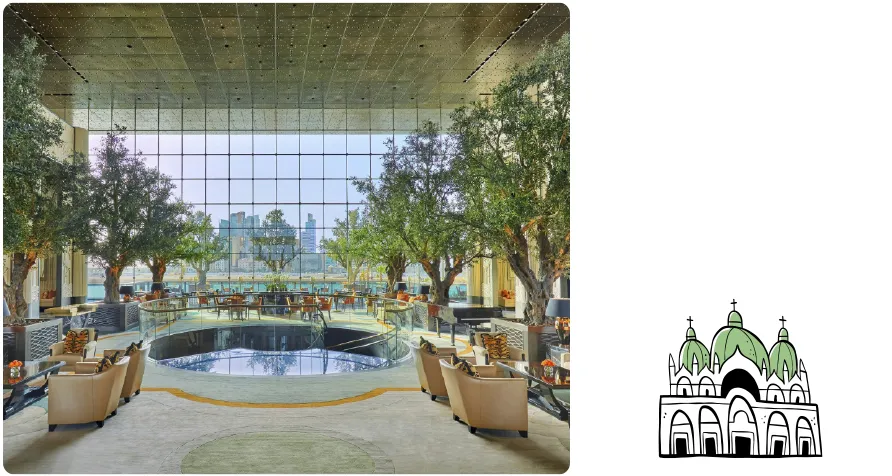
Italian materials continue to feature in Bahrain’s contemporary developments. During the construction of Four Seasons Hotel Bahrain Bay, almost 20,000sq m of marble was imported from Italy, Germany and Greece, with Italian stone among the materials selected for the hotel’s interiors.
Its use at the hotel provides a contemporary parallel to the marble at Al Fateh Grand Mosque. The settings could hardly be more different, yet both show how stone sourced from Italy has been incorporated into prominent spaces in Bahrain.
Italian art has a place in the Kingdom too. RAK Art Foundation holds Variable Round Image, a 1990 work by Padua-born Alberto Biasi, an important figure in Italy’s post-war optical and kinetic art movement.
Tags #btm november 2026 #bapco refinery technip italia #sitra desalination italian engineering #muharraq pearling path restoration #our lady of arabia cathedral architects #al fateh grand mosque italian marble #al fadhel mosque restoration #italy bahrain infrastructure projects #italian engineering in bahrain #italian architecture in bahrain
Digital Edition
Bahrain This Month
November 2026
Related Articles
Shared Horizons
Sun, 08 Nov 2026
A Roman Echo
Sun, 08 Nov 2026
Italian Style, Everyday Comfort
Sun, 08 Nov 2026