

Form Meets Function
by: BTM - Fri, 08 May 2026
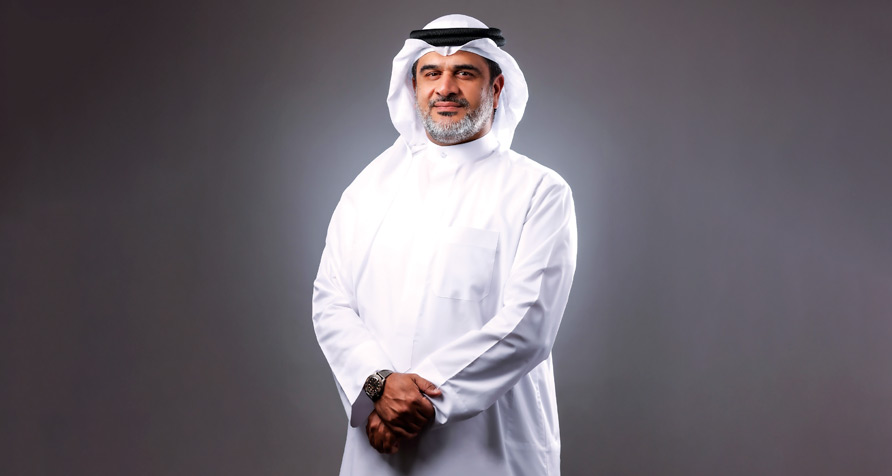
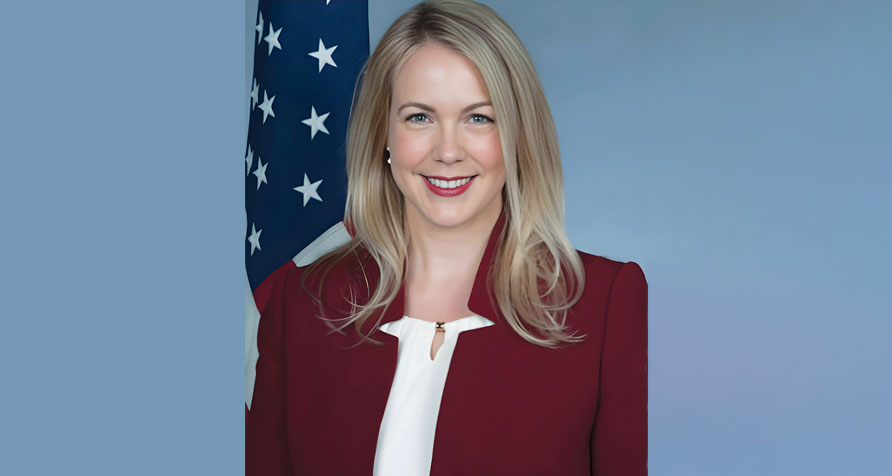
Thamer Salahuddin, Vice Chairman of the Board and Managing Director of MSCEB, discusses the firm’s approach to architecture, the realities of building in a shifting global climate and how design continues to shape everyday life in Bahrain.
How would you describe MSCEB’s role in shaping Bahrain’s evolving built environment?
At MSCEB, the work extends well beyond buildings. It is about shaping the environments where people raise families and build careers while also forming communities. That responsibility has guided the firm for over fifty years.
Our approach begins with our founding principle: design should elevate the human experience while remaining practical to maintain and sustainable over time. Whether it is an office tower, a residence or a public space, the aim is to create environments that improve how people experience them.
Context is central to that process. The sun path, wind direction and surrounding buildings are all studied, alongside how people move through a space. When those fundamentals are right, architecture responds naturally to its environment.
Well-designed spaces also affect how people feel. Living or working in a considered environment can influence mood and productivity. People often leave feeling calmer and more productive. That impact extends outward into communities and the wider city.
Bahrain is navigating a period of global uncertainty. How is this affecting the construction and engineering sector locally?
Global uncertainty has introduced challenges, particularly in relation to material costs and supply chains. Despite this, Bahrain’s market has remained relatively stable due to continued investment in infrastructure and long-term planning.
There is now a stronger focus on efficiency and long-term value. Projects are approached with greater care, with attention on performance and cost control.
In such conditions, how do you maintain momentum within MSCEB?
Maintaining momentum comes down to adaptability and clarity of vision. Strong internal collaboration ensures that teams remain aligned, while ongoing investment in people supports consistency in delivery.
Uncertainty is treated as an opportunity to refine processes and improve outcomes. The focus remains on maintaining quality regardless of external conditions.
What strategies have helped the firm remain resilient?
Resilience is supported through a focus on efficiency and innovation. Internal processes are streamlined, digital tools are integrated and design solutions are developed to balance cost and quality.
Strong client relationships also play an important role. Clear communication allows projects to adapt as requirements evolve.
What trends are currently shaping Bahrain’s architectural and engineering landscape?
There is a clear shift towards mixed-use developments and sustainability-driven design. Increasing attention is being given to how spaces support quality of life, particularly within urban environments.
Greenery is being integrated more deliberately, and there is a growing emphasis on balancing density with comfort. Technology also continues to influence the sector, with smarter systems and more efficient construction methods becoming standard.
Can you highlight some recent or ongoing projects that reflect this direction?
The Four Seasons Residences stands out as one of the firm’s most refined projects, with a high level of finish and strong spatial quality.
Ongoing work on the Tivoli and Avani Hotels & Residences reflects the complexity of designing within a beachfront setting, where location plays a defining role in the approach.
Other key projects include The Marina Club and The Avenues Mall, both of which required close coordination across multiple teams. These developments highlight the importance of a structured process from design through to delivery.
All our projects follow one rule of thumb: design must be buildable and add value to the user over time. Innovation without buildability is just ambition. Innovation with buildability defines architecture.
Sustainability is increasingly important. How is this reflected in your work?
Sustainability is embedded from the outset. Passive design strategies are integrated, natural shading is optimised and material selection is approached with long-term performance in mind.
Energy efficiency and lifecycle considerations form part of the design process, supported by LEED-certified expertise to ensure alignment with environmental goals and client requirements.
How do you balance modern development with preserving Bahrain’s cultural identity and heritage?
The starting point is understanding why traditional buildings were designed in a certain way. Many features were driven by climate and function rather than aesthetics.
With modern technology, those constraints have shifted. This allows design to draw from traditional principles while adapting them to contemporary needs.
The focus is on reinterpretation. This approach draws from the underlying principles of traditional architecture and carries them into modern forms that remain connected to place. When achieved, the building feels rooted in its surroundings. It could not exist anywhere else.
What role does innovation play in maintaining competitiveness?
Technology plays an important role, but it is only part of the equation. What matters is how consistently it is applied.
Tools such as BIM, parametric design and performance analysis support more informed decisions early in the process. Alongside this, structured internal systems ensure consistency across all projects.
Clear workflows and quality checkpoints support reliable delivery, with teams working to current regulatory requirements from the outset.
Looking ahead, what opportunities do you see for Bahrain’s construction sector?
Bahrain’s scale presents a unique advantage. It allows projects to be implemented efficiently while having a visible impact on the wider environment.
There is strong potential in waterfront development, particularly in activating the areas between Manama and Muharraq.
More broadly, opportunities continue to exist in infrastructure, housing and mixed-use developments, along with sustainability-focused projects and urban regeneration.
Finally, what message would you share with investors considering Bahrain?
Bahrain offers a stable and supportive environment for development, backed by clear policies and long-term planning.
Despite global challenges, the Kingdom continues to present opportunities for investment, particularly in projects that prioritise sustainability and long-term value.
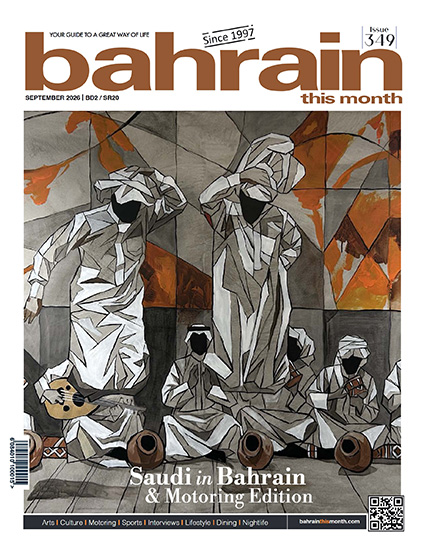
Digital Edition
Bahrain This Month
September 2026
Related Articles
Videos