






Feeling the Heat
by: Dr. Jarmo Kotilaine - Wed, 08 Jul 2026
Dr. Jarmo Kotilaine is a seasoned development economist with 30 years’ experience across academia, consultancy, banking and government.
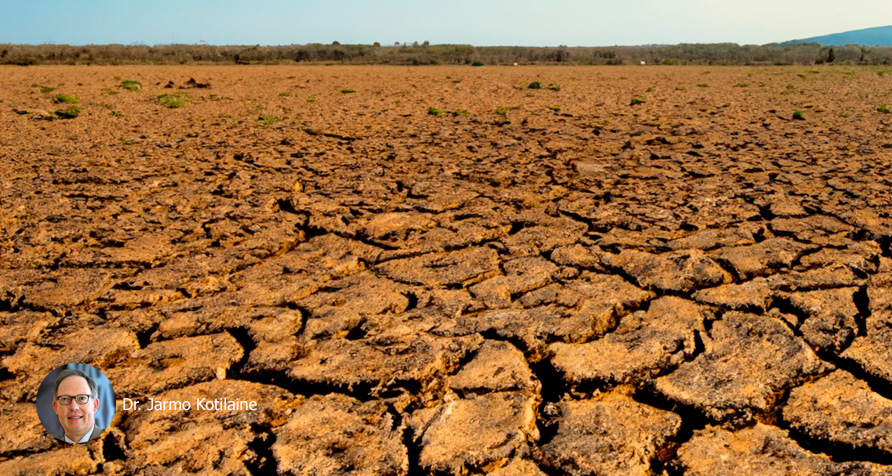
Climate change has become a contentious issue in today’s polarised political debate around the world. For those still looking to be convinced that it is more than that, compelling proof may be close at hand. Meteorologists are warning that a powerful El Niño has formed in the tropical Pacific Ocean and is set to intensify in the coming months. While its impact around the globe will be far from uniform, more extreme weather and higher temperatures are central to most forecasts.
El Niño does not in itself constitute proof of climate change. It is a recurrent natural phenomenon that occurs every few years. However, the most recent El Niño, in 2023-2024, coincided with the two hottest years on record. Some have suggested that the warming of ocean temperatures this year could be unprecedented and exceed 3°C. A 2°C variation would already be considered a ‘very strong’ event. Numerous extreme weather events, droughts and famines are now attributed to past El Niños. This time, any impact is set to be amplified by an already warming planet.
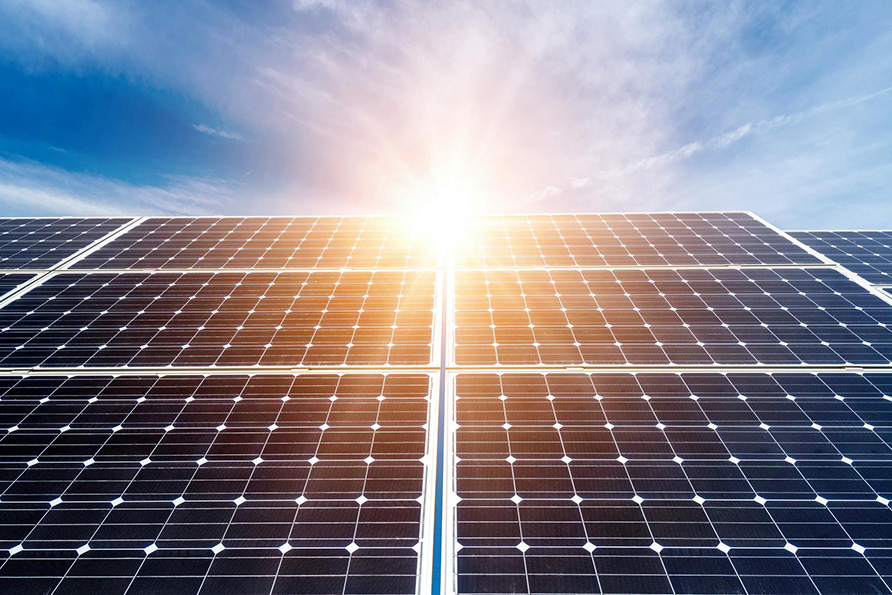
Despite political controversy, global efforts to combat climate change are making headway. Increasingly, this is being driven by pure economics. The cost of renewable energy technology has fallen dramatically in recent years, making it one of the most competitive options available. It also offers greater flexibility, potentially allowing development independent of national power grids.
The Gulf region, widely associated with its exceptional hydrocarbon endowments, also benefits from some of the most conducive economic drivers for large-scale renewable energy action. Solar energy, in particular, is close to a perfect fit for the Gulf thanks to abundant radiation and the availability of land for installations. While space constrains large-scale installations in Bahrain, regional grid integration is opening up new opportunities. Gulf governments recognise the importance of sustainability, with Bahrain launching its National Renewable Energy Action Plan and National Energy Efficiency Action Plan in 2017. The government is currently implementing its 2023 Energy Transition Plan, which focuses on diversifying energy sources, among other goals, with the aim of increasing the share of clean energy to 20 percent by 2035. It seeks to reduce natural gas consumption by more than 30 percent and meet more than 45 percent of energy demand from clean sources by 2040. During this period, overall power demand in the Kingdom is set to increase by almost 40 percent.
The GCC countries as a whole aim to have 165GW of renewable energy available by 2030. They are off to a relatively slow start, having so far installed about 24GW. However, the process is accelerating through increased awareness, practical experience and a succession of record-breaking installations amid falling costs. Saudi Arabia increased its solar capacity by 92 percent in 2025 while the region-wide increase was 60%. Bahrain last year saw the start of the 100MW Al Dur Solar Power Plant. Next in the pipeline is the 120MW Belaj Al Jazaer IPP Solar Farm. In total, 340 projects have been completed and 69 are ongoing, with a total estimated capacity of 500MW.
The rapidly declining cost of battery storage is opening up further opportunities, not least by expanding solar power use beyond sunlight hours. The rise of decentralised solar is boosting power security and, in many cases through initiatives such as net metering, is allowing households and businesses to become energy producers.
Renewable energy is increasingly recognised as a competitive and reputational advantage that extends far beyond sustainability considerations. As a cost-effective, non-polluting energy source, it is opening up new avenues for the region to invest in energy-intensive activities, including those at the forefront of global economic change. Perhaps most notably, it is powering a boom in technology-related activities such as data centres, which in turn promise to play an important role in the region’s economic transformation. Clean energy is also becoming a tradable product thanks to improving cross-border grid connectivity and the rise of green hydrogen.
The demand side, of course, is no less important. The history of generous subsidies on energy and water has resulted in high energy intensity, considerable waste and pollution. No less importantly, it has disincentivised innovation by cushioning companies from economic pressures. What may start with cost saving often ends up delivering far broader benefits and fostering a culture of forward thinking.
Initiatives around energy efficiency, supported in Bahrain by the KAFA’A programme, are of critical importance. Much of the regional housing stock has poor insulation precisely because of past subsidies. Resources that could have been used to drive productive activity instead went on air conditioning and water-intensive activities which, in agriculture, for instance, ended up having a harmful effect on natural aquifers.
Better building insulation, smart metering of power and water use and new initiatives ranging from hydroponics to water recycling are now boosting economic productivity. They are allowing the economy to generate more value from available, sometimes finite, resources. The renewed interest in greening the region not only pays homage to Bahrain’s past as the island of millions of palm trees but can also shade buildings, create more moderate microclimates and provide pleasant urban spaces. The opportunities around smarter architecture and urban planning can become new drivers of economic development.
For a region pursuing an ambitious economic transformation, sustainability is an important guiding star. It can unleash new opportunities by tapping abundant new energy sources. It can foster a culture of smarter resource use and push the regional economy towards a productivity-driven growth pattern. This, let us not forget, is the way to sustainably increase living standards.
Digital Edition
Bahrain This Month
October 2026
Related Articles

Always Something Extraordinary
Mon, 05 Oct 2026
A Decade in Rhythm
Mon, 05 Oct 2026
Teeing off for Charity - 27 years of AMH Golf Tournament
Mon, 05 Oct 2026