









6 Workout Trends to Watch in 2026
by: BTM - Mon, 05 Jan 2026

Fitness is evolving fast, but not noisily. The shifts shaping 2026 are subtle, intelligent and deeply human, driven by how people actually live, recover and stay consistent. From smarter technology to a renewed focus on connection, these six trends point to a more balanced and sustainable approach to movement.
AI-Powered Personalised Training
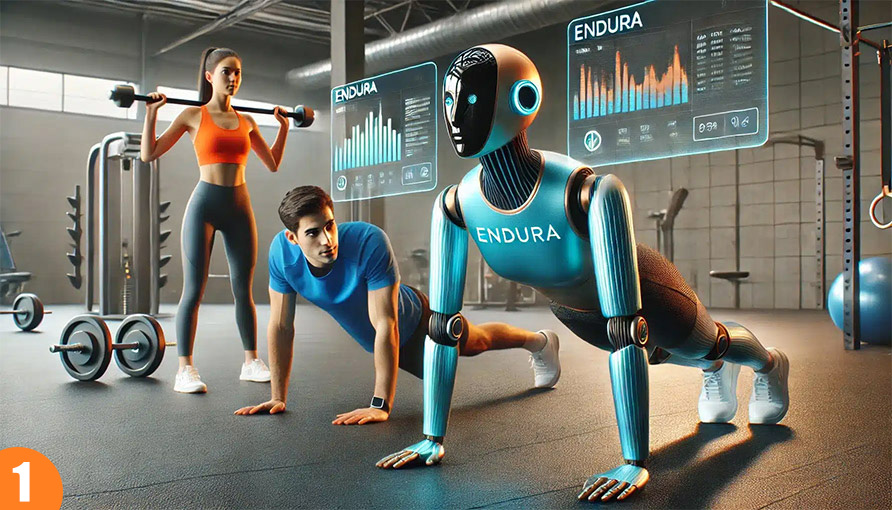
In 2026, technology no longer simply records workouts. It actively guides them. Smart platforms now use biometric data to tailor training in real time, adjusting intensity based on recovery, sleep quality and readiness levels. The result is a more responsive form of coaching that supports progress without tipping into exhaustion. Personalisation moves beyond generic plans to programmes that genuinely fit individual lifestyles.
Benefits: Lower risk of burnout and injury, with training that evolves alongside your body.
Functional Strength for Real Life
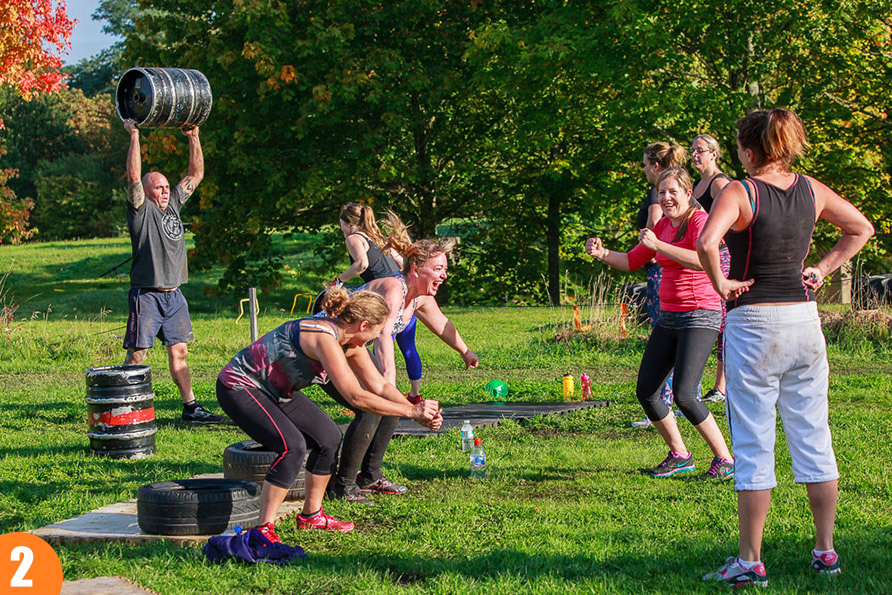
Strength training has become more purposeful. Functional formats that mirror everyday movement patterns are moving into the mainstream, prioritising how the body lifts, stabilises, rotates and supports itself beyond the gym floor. Compound exercises and mobility-focused circuits take precedence over isolated muscle work, making strength training relevant across all age groups and fitness levels.
Benefits: Improved posture, long-term resilience and injury prevention.
Immersive and Gamified Workouts
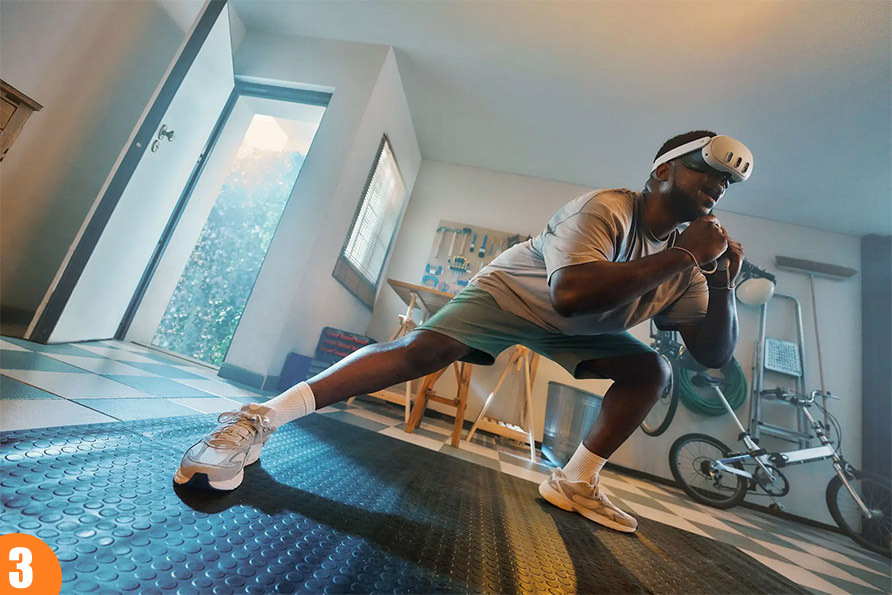
As motivation becomes central to consistency, immersive training experiences are gaining ground. Digitally enhanced classes, virtual challenges and interactive environments transform workouts into engaging experiences rather than obligations. The emphasis is not spectacle, but sustained participation. When training feels enjoyable, showing up becomes easier.
Benefits: Maintaining momentum and overcoming workout fatigue.
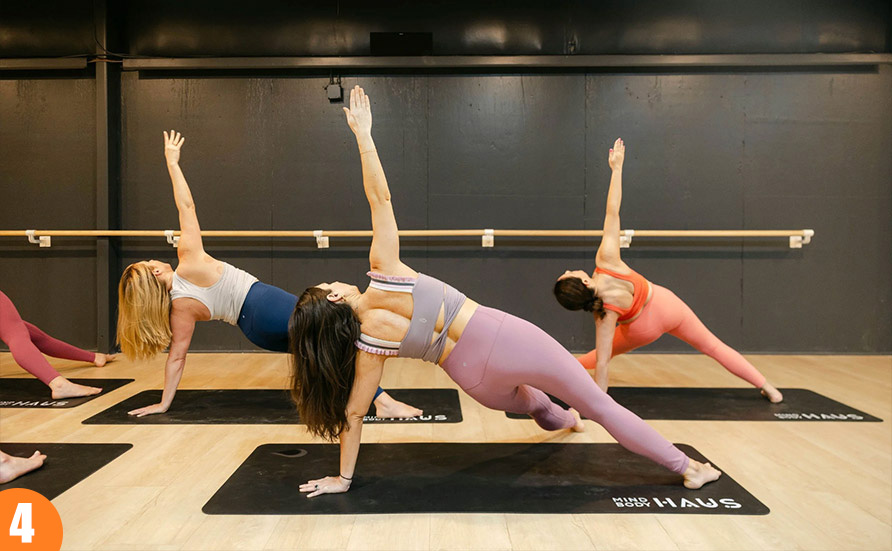
Mind–Body Integration
Mental wellbeing continues to reshape fitness priorities. Movement is increasingly viewed as a tool for stress regulation rather than just physical transformation. Pilates, yoga and mindful strength formats are evolving to incorporate breathwork and nervous system awareness, sitting comfortably alongside higher-intensity training. The emotional impact of a session is now as valued as the physical outcome.
Benefits: Greater cohesion between body and mind.

Data-Driven Recovery
Recovery is no longer an afterthought. In 2026, it is treated as a core pillar of performance. Wearable technology, sleep analysis and guided regeneration protocols inform when to push and when to pause. Compression therapy, mobility work and structured rest replace guesswork with intention, supporting long-term progress rather than short-term gains.
Benefits: Improved results with less strain and greater training longevity.

Community-Centred Fitness
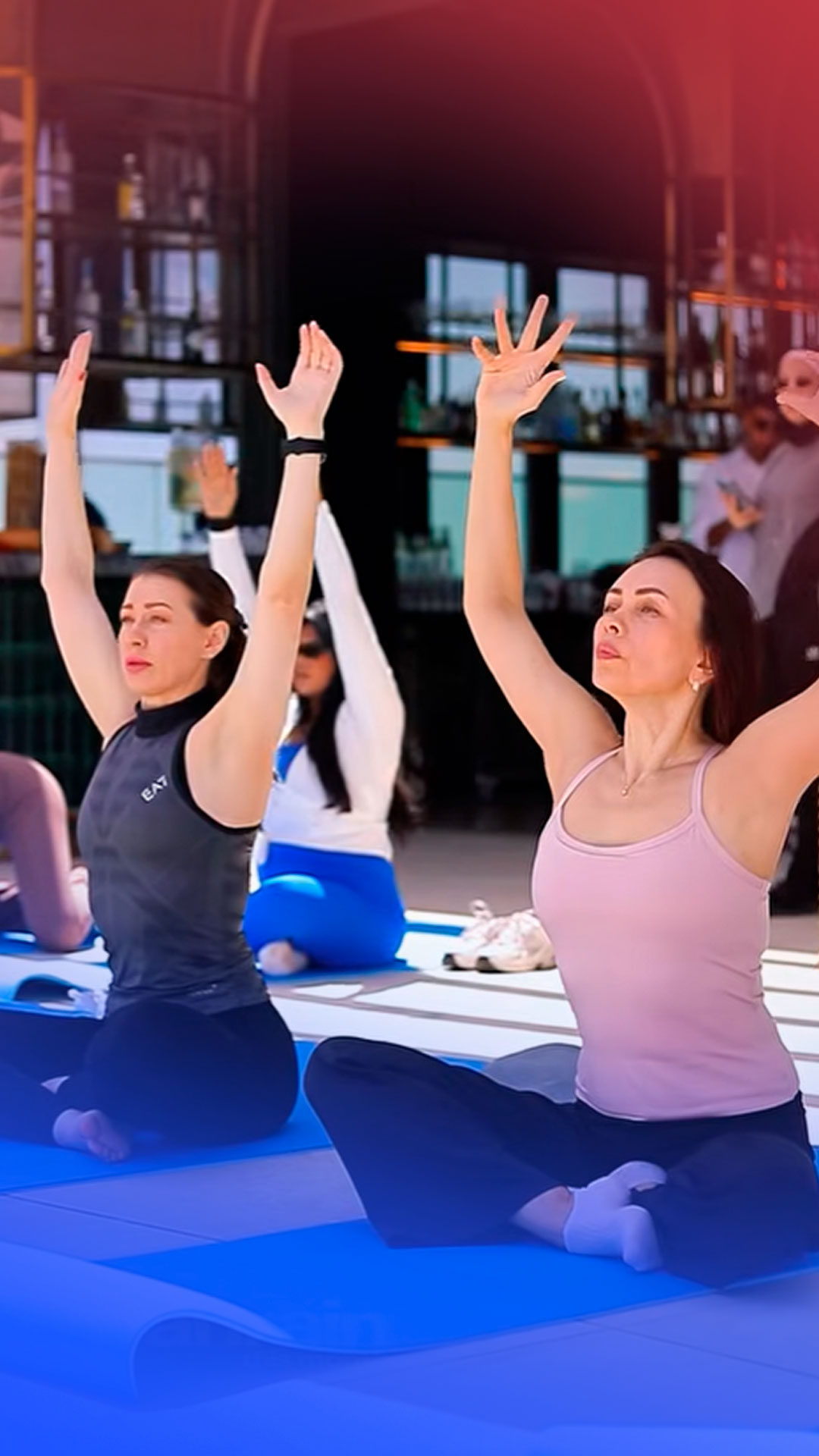
Perhaps the most notable shift is social. Gyms and studios are evolving into spaces for connection as much as exercise. Group sessions, outdoor classes and team-based challenges foster accountability and a sense of belonging. For many, the motivation to return lies not in the workout itself, but in the shared experience around it.
Benefits: Consistency, motivation and long-term engagement.
Tags #btm janaury 2026 #gym trends in bahrain #community fitness bahrain #fitness recovery trends #mind body fitness #functional strength training #ai personal training #bahrain fitness trends #workout trends 2026 #fitness trends 2026

Digital Edition
Bahrain This Month
October 2026
Related Articles

Always Something Extraordinary
Mon, 05 Oct 2026

A Decade in Rhythm
Mon, 05 Oct 2026

Teeing off for Charity - 27 years of AMH Golf Tournament
Mon, 05 Oct 2026