








The World of Motoring in 2026
by: BTM - Sun, 04 Jan 2026
Electrification, automation and digital integration are no longer future concepts but defining forces in motoring today. In 2026, these shifts are reshaping how vehicles are designed, driven and experienced, signalling a decisive move towards cleaner, smarter and more connected mobility.
Electrics Take Stage
Electric vehicles will continue to gain ground globally in 2026, though adoption rates vary by region. Rather than a universal surge, the year will be defined by broader choice and improved usability. Manufacturers are focusing on range optimisation, charging efficiency and design appeal rather than headline acceleration figures alone.
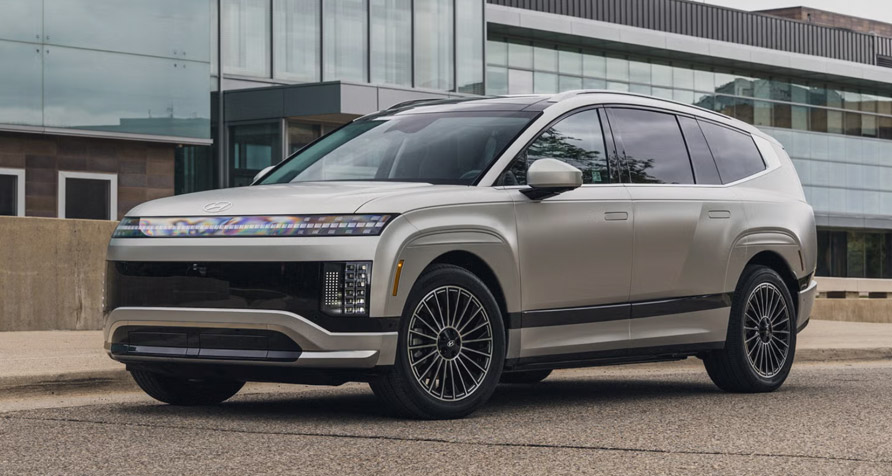
Among the most credible upcoming launches is the Hyundai Ioniq 9, a large electric SUV positioned for families and long-distance comfort. Its scale and interior flexibility align well with regional preferences, while signalling how EVs are expanding beyond compact urban models.
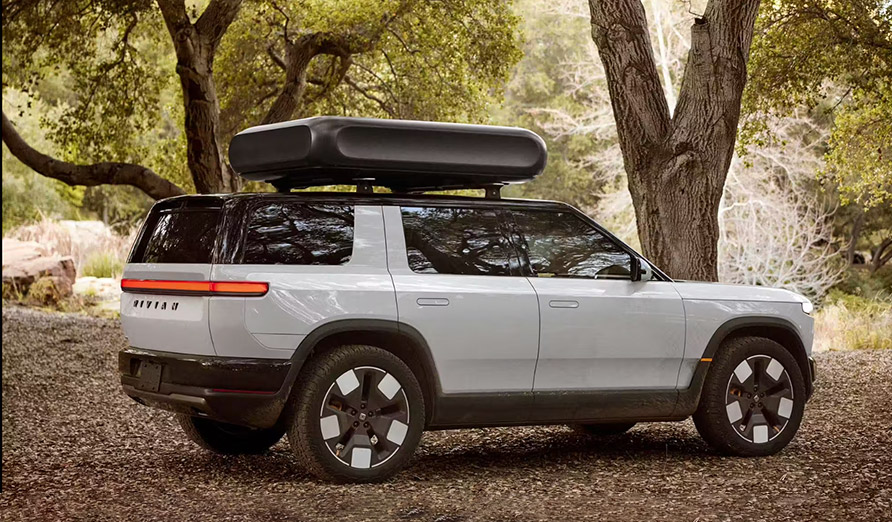
Also expected is the Rivian R2, a mid-size electric SUV intended to bring the brand’s adventure-led identity to a more accessible price point. While its global availability will roll out gradually, it reflects a wider industry push towards lifestyle-focused EVs.
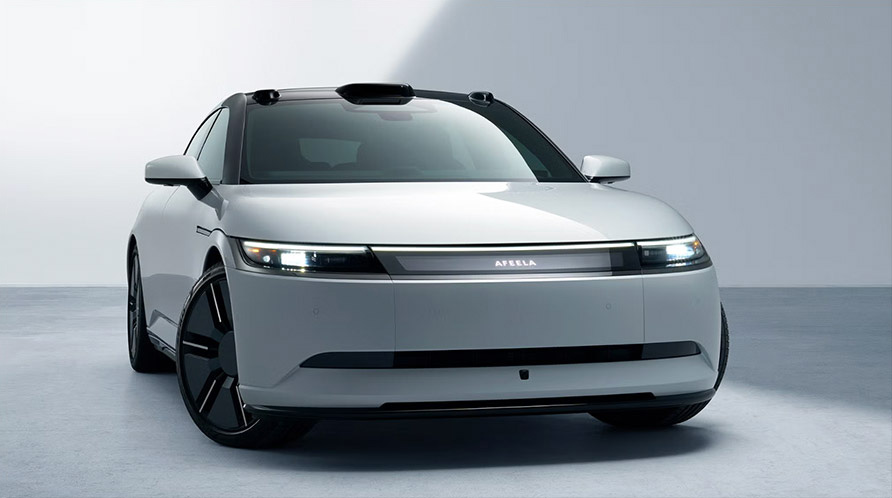
At the premium end, Sony Honda Mobility is preparing the Afeela 1, a technology-driven electric saloon where software, connectivity and in-car digital experiences are central to the proposition. Its arrival underscores how consumer electronics and automotive design are increasingly converging.
Luxury marques are also expanding their electric presence. Genesis is widely expected to introduce the GV90, a full-size electric SUV that blends traditional luxury cues with next-generation powertrains. For Bahrain’s premium buyers, this segment remains one of the most closely watched.
Hybrids Remain Essential
Despite EV momentum, hybrid and plug-in hybrid vehicles will continue to play a critical role in 2026. Manufacturers increasingly acknowledge that different markets require different solutions, particularly where charging infrastructure and driving habits vary.
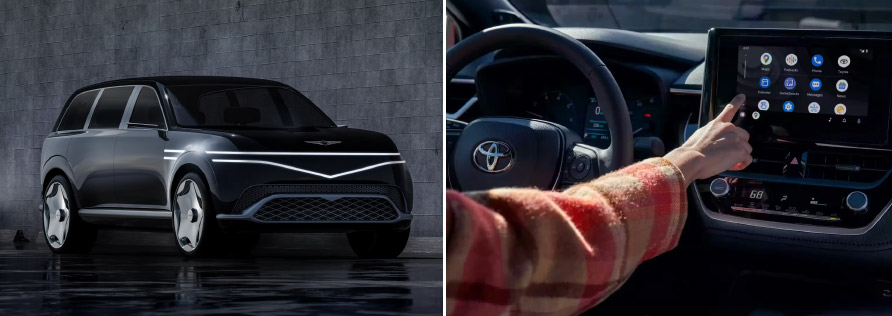
Toyota remains the clearest example of this multi-pathway approach, continuing to invest heavily in hybrids alongside battery-electric models. Updated versions of high-volume SUVs and crossovers are expected to retain hybrid powertrains, appealing to drivers who value efficiency without committing fully to electric charging routines.
For Bahrain, where long daily commutes are common and fuel prices remain comparatively competitive, hybrids offer a practical balance of reduced emissions and driving familiarity.
SUVs and Crossovers
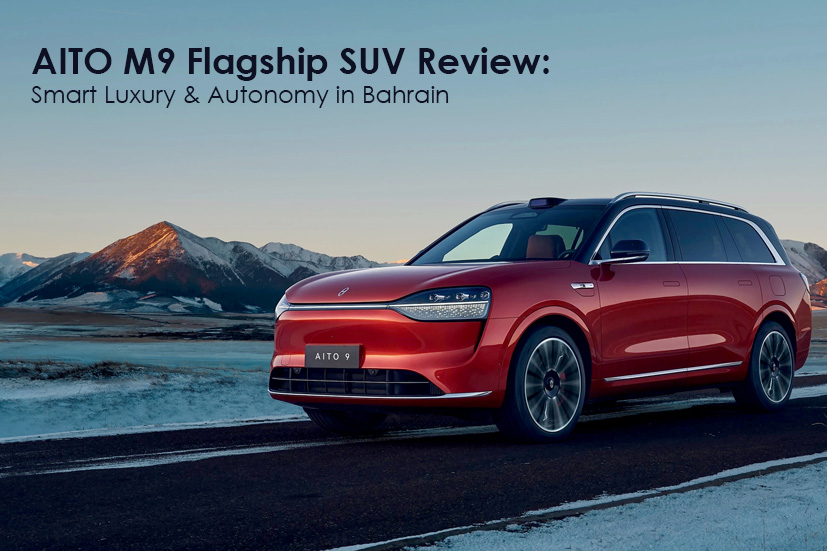
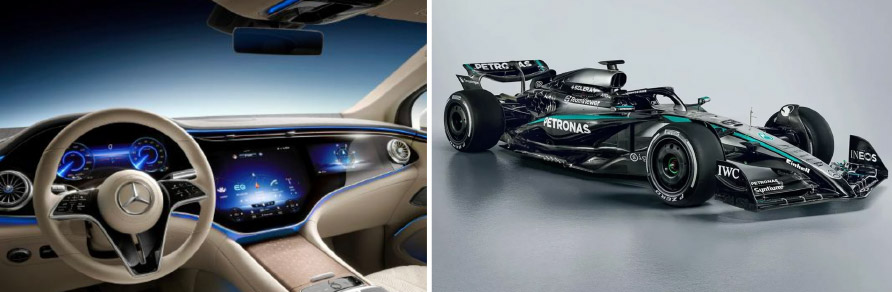
SUVs and crossovers will continue to define global and regional sales in 2026. Electric or not, buyers are prioritising elevated driving positions, interior space and perceived safety. Manufacturers are responding with increasingly refined offerings that combine luxury finishes, advanced driver assistance systems and flexible seating configurations.
Mid-size electric SUVs are emerging as the industry’s sweet spot, while large luxury SUVs remain strong status symbols in the Gulf market. This trend shows no sign of slowing.
Vehicles with Autonomy
While fully autonomous driving remains a longer-term ambition, vehicles in 2026 will be smarter than ever. Advanced driver assistance systems, over-the-air software updates and seamless smartphone integration are becoming standard rather than optional extras.
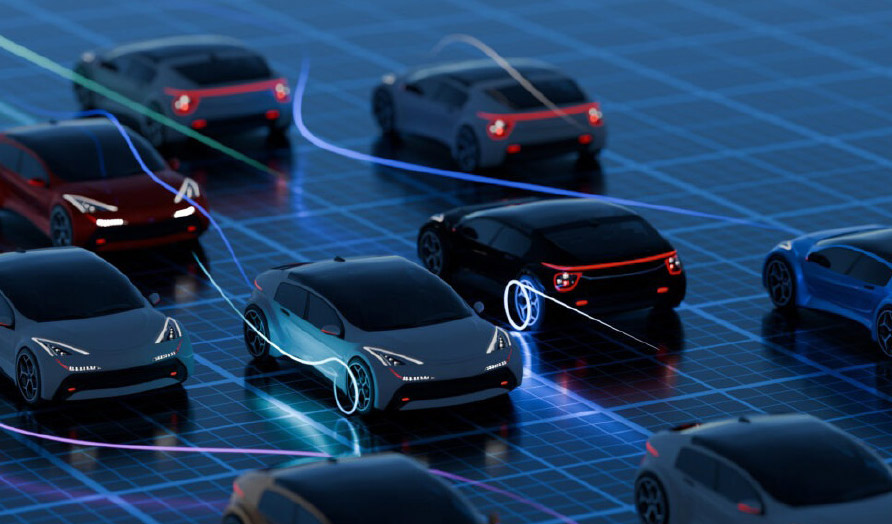
Features such as adaptive cruise control, lane-keeping assistance and automated parking will continue to improve incrementally. These technologies are designed to reduce driver fatigue and improve safety rather than remove the driver from the equation entirely.
Adapted Performance
Electrification does not mean the end of performance. Instant torque and advanced chassis control are redefining what speed and handling feel like, while premium electric performance models are increasingly positioned as refined grand tourers rather than raw track machines.
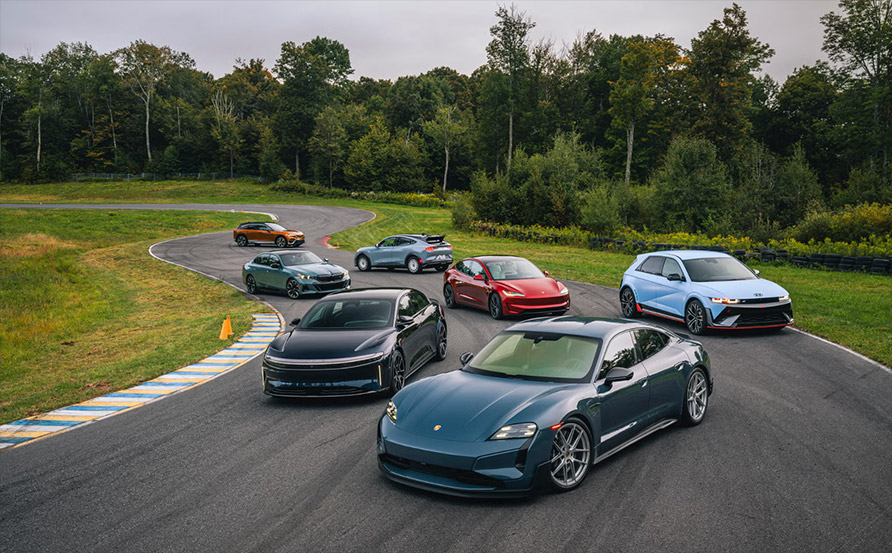
This evolution aligns naturally with Bahrain’s motorsport identity. The annual Formula One Grand Prix at the Bahrain International Circuit remains a powerful showcase for hybrid technology, efficiency-driven engineering and data-led performance development. Lessons learned on track continue to influence road-going vehicles, from energy recovery systems to lightweight materials.
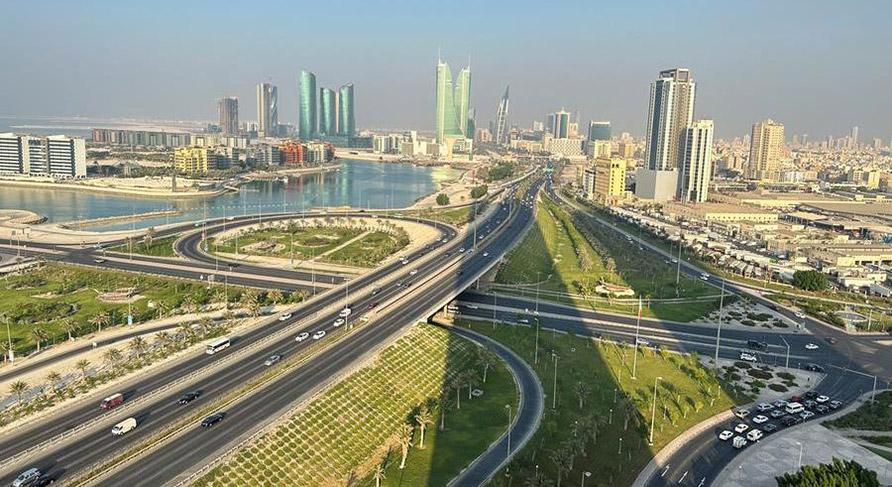
Urban Mobility and Infrastructure
From electrification to connectivity, the world of motoring in 2026 reflects a shift towards smarter, cleaner and more integrated mobility.
Motoring is defined less by disruption than by consolidation. The technologies and infrastructure shaping the sector are no longer speculative; they are being refined, integrated and normalised purposefully and increasingly aligned with smarter cars, broader choice and performance that still puts the driver first.
2026 is less about reinvention and more about refinement, delivering smarter cars, broader choice and performance that still puts the driver first.
Tags #toyota bahrain #Hyundai Bahrain #first motors hyundai #motoring #bahrain motoring news #ev market middle east #automotive technology gulf #future cars 2026 #suv trends bahrain #hybrid vehicles gulf #electric cars bahrain #bahrain car market #motoring trends 2026 #btm january 2026
Digital Edition
Bahrain This Month
October 2026
Related Articles
Videos