









An Eye on Real Estate: Security Is Not A Luxury - It’s A System
by: Bill Grieve - Wed, 08 Jul 2026
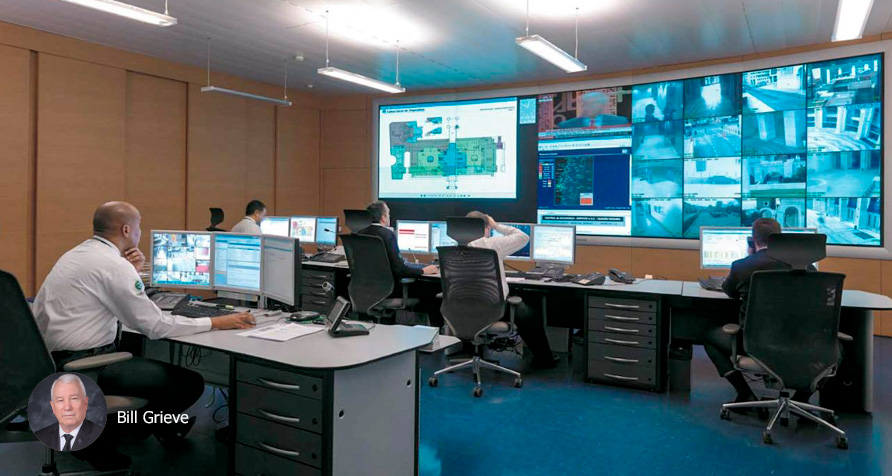
Real Estate and Property Management are at the core of Bill Grieve’s experience, and in this article he offers his latest thoughts.
In Bahrain’s increasingly dense residential towers, offices, compounds, and villas, true security goes far beyond a guard at the gate. It demands integrated, well-maintained systems of access control, surveillance, and data. When these work seamlessly, they’re invisible. When they don’t, the risks become all too visible.
Security in residential buildings, commercial offices, compounds, villas and even stand-alone homes has changed. The recent excuse after an incident at a compound in Juffair was “sorry the cameras don’t work” – this is all too common.
Where once it was enough to have a watchman, reception desk or a security guard, today’s buildings rely on layered systems – access control, cameras, monitoring, and data – all working together to manage movement, protect residents, ensure occupants safety and maintain order.
Yet despite this shift, many buildings still treat security as a static feature rather than a dynamic system.
Installed once. Maintained occasionally. Upgraded rarely.
And over time, that approach creates vulnerability.
“Security is not defined by what is installed - but by what is maintained, monitored, and understood.”
Access Control: The First Line of Defence
Access control systems - key cards, fobs, biometric entry, and digital credentials - are the foundation of modern building security.
When properly implemented, they:
• Restrict unauthorised access
• Track movement within the building
• Provide accountability
But these systems are only as strong as their management.
Common issues include:
• Shared or duplicated access cards, keys or codes
• Unauthorised access granted informally
• Outdated or poorly configured systems
Over time, control weakens – not because the system fails, but because its discipline does.
Doorbell Cameras & Home-Level Security
Within individual units, security has also evolved.
Doorbell cameras and smart home monitoring systems now allow residents to:
• See who is at their door
• Record activity
• Monitor deliveries and visitors remotely
• Communicate – even when away
These tools are increasingly common – but not always integrated into a broader system.
Without coordination between building-level security and individual systems, gaps can emerge.
A secure building is not just a collection of secure units. It is a connected environment.
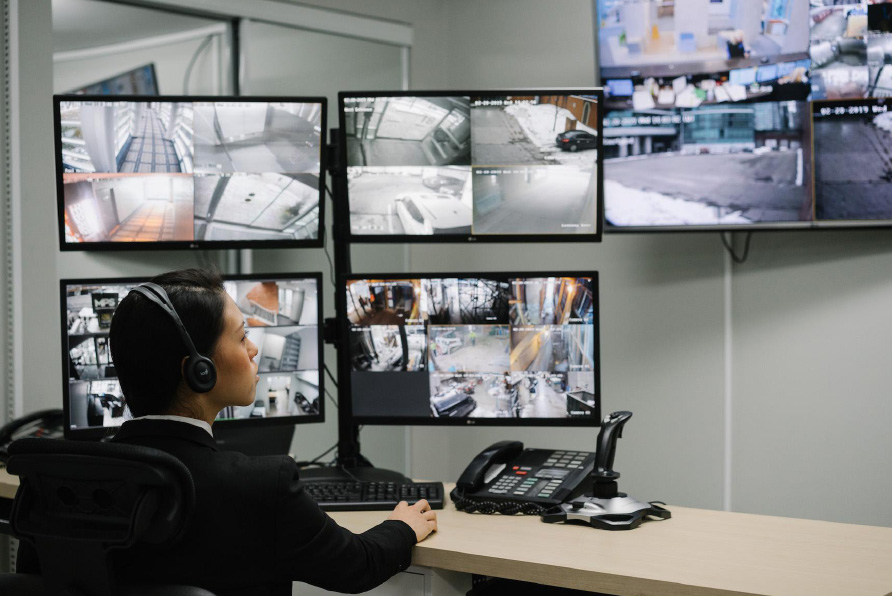
CCTV: Visibility Without Oversight Is Not Security
CCTV systems are widely installed –but not always effectively used.
In well-managed buildings, cameras:
• Cover key access points and shared areas
• Are regularly maintained and tested
• Provide clear, usable footage
• Are monitored when necessary
In poorly managed buildings:
• Cameras may not function properly
• Coverage is incomplete
• Footage is difficult to access or unclear
• Systems are outdated
The result is a false sense of security.
“Cameras don’t create security - how they are used does.”
The Power of Data and Reporting
One of the most overlooked aspects of modern security is data.
Access logs, incident reports, visitor records – these are not just administrative tools. They are critical to understanding how a building operates.
Good systems allow management to:
• Track patterns of movement
• Identify unusual activity
• Respond quickly to incidents
• Maintain clear records when needed
Without proper data collection and reporting, even the most advanced systems lose much of their value.
When Systems Degrade Over Time
One of the most common – and least discussed – issues in residential buildings is gradual system degradation.
A high-quality access control or CCTV system may be installed initially. Over time:
• Components fail and are replaced with cheaper alternatives
• Software updates are delayed or ignored
• Integration between systems is lost
• Maintenance becomes inconsistent
The system still exists - but its effectiveness is reduced.
This is rarely noticed immediately. The decline is gradual.
Until it becomes obvious.
“Security systems don’t fail overnight - they weaken over time.”
The Risk of Substitution Over Standards
Replacing high-quality systems with lower-cost alternatives may appear efficient in the short term.
But in security, consistency matters.
Mixing systems, using incompatible components, or reducing quality can lead to:
• Gaps in coverage
• System failures
• Reduced reliability
• Increased long-term cost
Security is not an area where inconsistency performs well.
Ongoing Maintenance and Upgrades
Like all building systems, security requires:
• Regular maintenance
• Software updates
• Periodic upgrades
Technology evolves quickly. Systems that were effective five years ago may no longer meet current expectations.
Buildings that fail to adapt fall behind – not just technically, but operationally.
Shared Responsibility in Security
Security is not solely the responsibility of management.
• Residents must protect access credentials
• Owners must ensure systems within their units are appropriate
• Management must enforce standards consistently
Weakness in any one area affects the whole system.
The Illusion of Security
One of the most significant risks is the assumption that security is ‘in place’ simply because systems exist.
A building may have:
• Cameras
• Access control
• Intercom systems
But if these are not:
• Maintained
• Monitored
• Updated
Then their effectiveness is limited.
“The presence of a system is not the same as the presence of security.”
Closing
As residential living continues to evolve, expectations around security are changing.
Residents expect:
• Controlled access
• Reliable systems
• Clear accountability
Meeting these expectations requires more than installation. It requires ongoing attention, investment, and discipline. Because in modern buildings, security is not a feature. It is a system.
Tags #btm july 2026 #gulf property security systems #commercial building security bahrain #smart home security bahrain #real estate security bahrain #property management bahrain #access control systems bahrain #cctv maintenance bahrain #residential security systems bahrain #building security bahrain“Security is strongest when it is maintained - and weakest when it is assumed.”

Digital Edition
Bahrain This Month
October 2026
Related Articles

A Bigger Football Stage
Mon, 05 Oct 2026
Mindful Money Matters - The Many Values of Money
Mon, 05 Oct 2026

Making Money Make Sense
Mon, 05 Oct 2026