










An Eye on Real Estate - Vertical Living In A Horizontal Culture
by: Bill Grieve - Sat, 11 Apr 2026

When Buildings Rise Faster Than Habits, How We Live Together Becomes The Real Challenge.
Real Estate and Property Management are at the core of Bill Grieve’s experience. In this series, he provides insight and opinion from both himself and people of standing in the real estate industry, helping to transfer knowledge and provide a platform for property owners and the wider sector.
Bahrain’s skyline has transformed rapidly, but the way people live within it is still evolving. As towers replace villas, shared living brings new challenges – not of design, but of behaviour, expectation and coexistence.
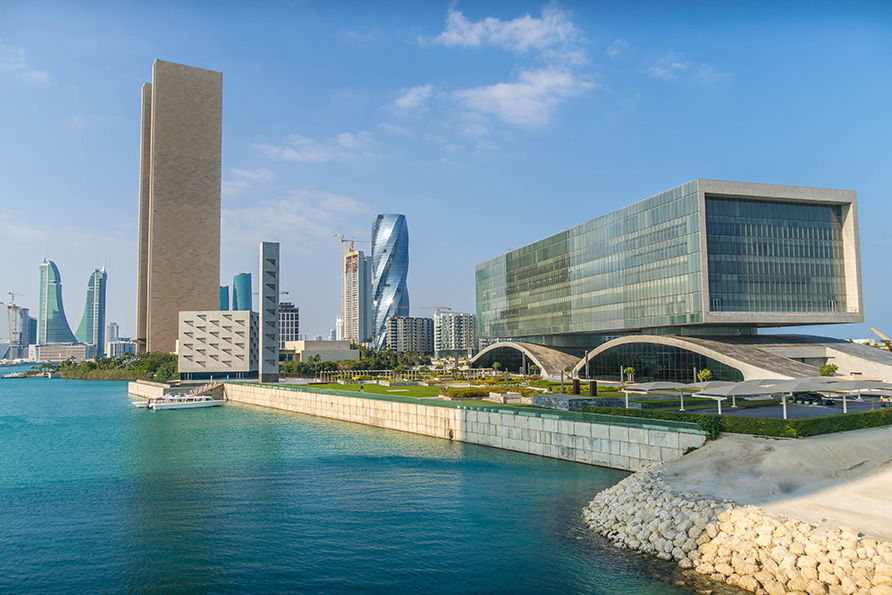
Bahrain’s skyline tells a clear story of change. Over the past two decades, residential towers have risen steadily across the island – reshaping how people live, interact and share space. Yet while the architecture has evolved rapidly, the habits and expectations of daily life have taken longer to adjust.
At its core, Bahrain remains a largely horizontal culture. For generations, living was defined by villas, compounds and clearly defined private space. Vertical living changes that – not just physically, but socially.
“Vertical living is not just a change in structure – it is a change in behaviour.”
When Proximity Changes Behaviour
In apartment buildings, proximity is unavoidable. Walls are shared, corridors are communal and daily routines overlap. What once happened privately now unfolds within earshot – and often within sight – of others.
This shift creates subtle pressure. Actions that feel normal to one resident may feel intrusive to another. A late-night gathering, children in corridors, frequent visitors – none unusual on their own – can become sources of tension in close quarters. What emerges is not conflict by design, but friction by proximity.
Multinational Living Under One Roof
Bahrain’s diversity is one of its defining strengths. Residential buildings bring together people from different cultures, each with their own expectations of privacy, community and behaviour.
Some view shared spaces as extensions of the home. Others see them as transitional and functional. Noise tolerance varies. So do ideas of courtesy and use. None of these perspectives are wrong – but without alignment, they collide.
“In diverse communities, misunderstanding rarely comes from intent – but from interpretation.”
The Quiet Role of Bylaws
In this environment, bylaws and house rules become essential. Often overlooked, they provide a neutral framework – a shared reference point that removes ambiguity.
In low-density living, informal norms are often enough. In high-density environments, they are not.
Bylaws define boundaries, expectations and acceptable use of shared space. When applied consistently, they prevent friction before it escalates.
From Private Living to Shared Responsibility
Vertical living requires a shift in mindset. Home is no longer entirely private – it is part of a shared system.This does not reduce comfort or freedom. It reframes it.
Privacy becomes negotiated. Freedom becomes balanced. Behaviour becomes interconnected.
Everyday Awareness Matters
Most building issues are not structural – they are behavioural.
Small decisions define the environment:
· How noise is managed
· How space is used
· How rules are respected
In well-functioning buildings, these behaviours become invisible because they are consistent.
Where they are not, problems escalate.
Bridging the Cultural Gap
Bahrain’s move towards vertical living is both necessary and positive. It supports growth, density and modern lifestyles.
But success depends on alignment – between residents, management and expectations.
Clear communication and consistent standards create a neutral space where diversity works.Without them, difference becomes friction.
“Buildings do not fail because of design – they fail because of how they are lived in.”
Living Better Together
The shift to vertical living is not just about buildings. It is about adaptation.
At its best, it offers convenience, efficiency and community. At its worst, it creates tension. The difference lies in behaviour.
Bylaws are not restrictions.
They are the foundation that allows diverse communities to function without constant negotiation.
As Bahrain continues to grow upward, the opportunity is not just to build more towers – but to live better within them.
Because ultimately, successful vertical living is not about space.
It is about people.
“The future of urban living is not defined by height – but by how well we live together within it.”
Tags #property investment bahrain #property maintenance bahrain #Bahrain property developers #Bahrain property management #btm april 2026 #business #shared living rules bahrain #bahrain housing trends #community living bahrain #residential towers bahrain #urban living bahrain #Bahrain property management #apartment living Bahrain #bahrain real estate #vertical living bahrain

Digital Edition
Bahrain This Month
October 2026
Related Articles

A Bigger Football Stage
Mon, 05 Oct 2026

Mindful Money Matters - The Many Values of Money
Mon, 05 Oct 2026

Making Money Make Sense
Mon, 05 Oct 2026