














Unexpectedly Italy
by: BTM - Sun, 08 Nov 2026
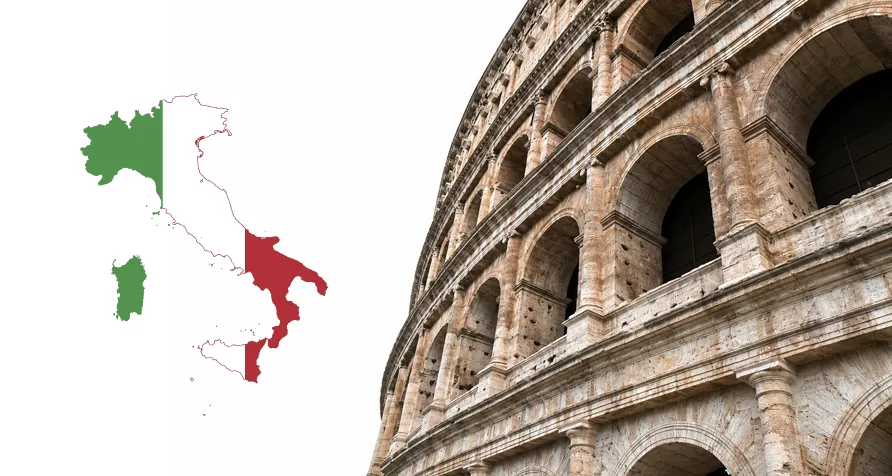
Behind Italy’s familiar icons lies a country of unexpected inventions and remarkable craftsmanship, with connections that stretch all the way to Bahrain. Think you know Italy? Here are 20 things that might surprise you (with 1,000s more to discover).
 1, Fashion Went Global in Florence
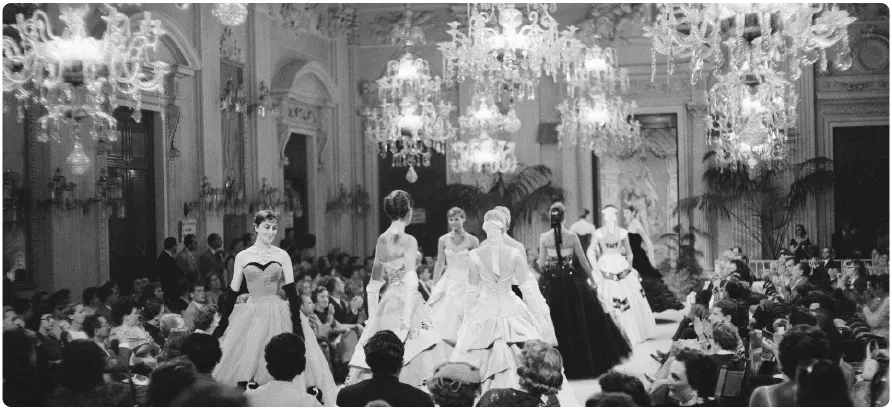
On February 12, 1951, entrepreneur Giovanni Battista Giorgini organised a collective presentation of Italian haute couture at Villa Torrigiani for international buyers and journalists. Its success helped introduce Italian designers to a global audience, with later shows moving to Palazzo Pitti.
 2, Biella’s Centuries of Wool
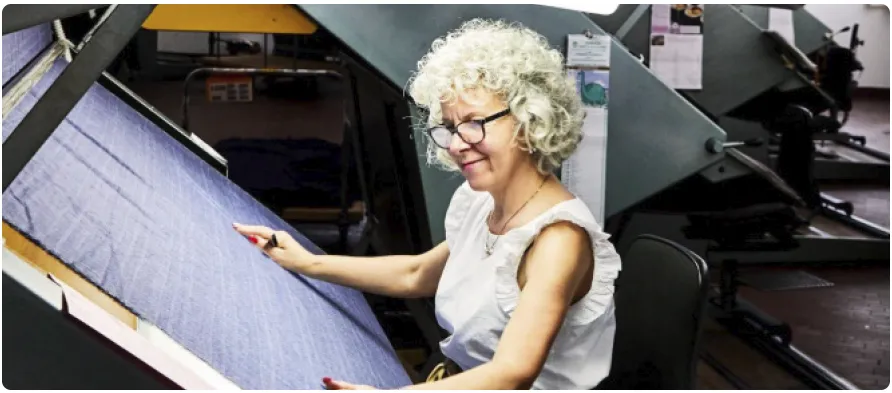
Its centuries-old wool industry includes names such as Ermenegildo Zegna and Loro Piana. Vitale Barberis Canonico traces its history to 1663, while Biella joined the UNESCO Creative Cities Network in 2019.
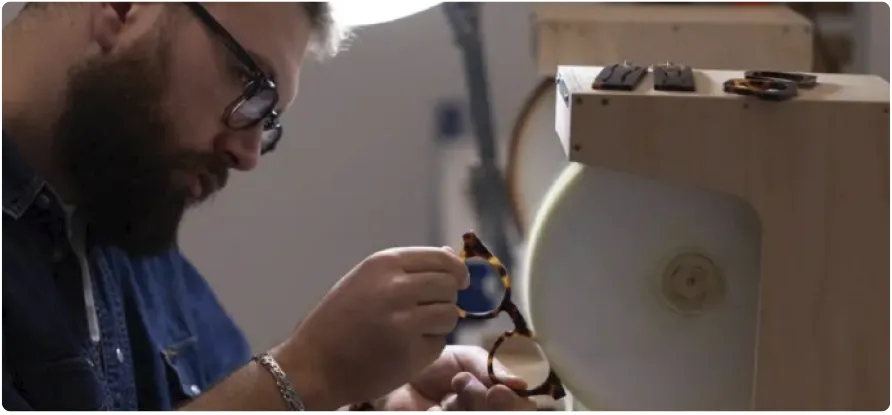 3, Belluno Makes Luxury Eyewear
Many designer frames begin life far from the fashion capitals. Around Belluno in Veneto, generations of specialist manufacturers produce frames for numerous luxury labels, placing this mountainous corner of northern Italy behind some of the world’s most recognisable eyewear.
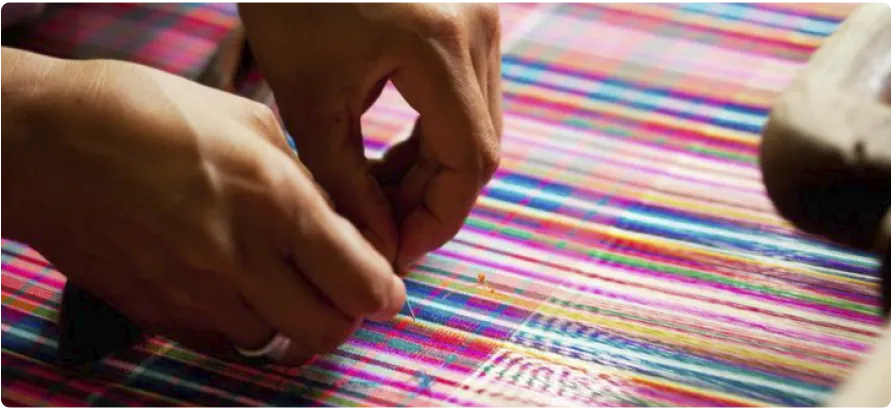 4, Como’s Luxury Silk
Lake Como may draw the visitors, but generations of textile expertise have made the surrounding area an important centre for processing and finishing silk. Fabrics carrying major international labels can begin with specialist Italian manufacturers whose names consumers may never see.
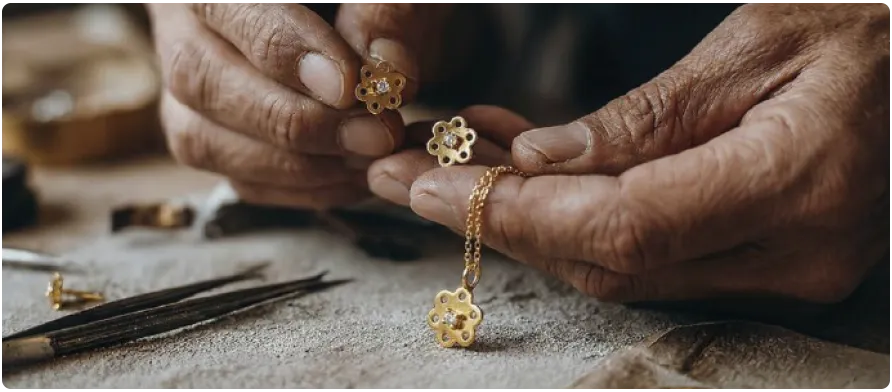 5, Jewellery Spans Italy
Valenza in Piedmont, Vicenza in Veneto and Arezzo in Tuscany are among the country’s most important jewellery centres. Their specialist manufacturers help explain how traditional Italian goldsmithing continues on an international scale.
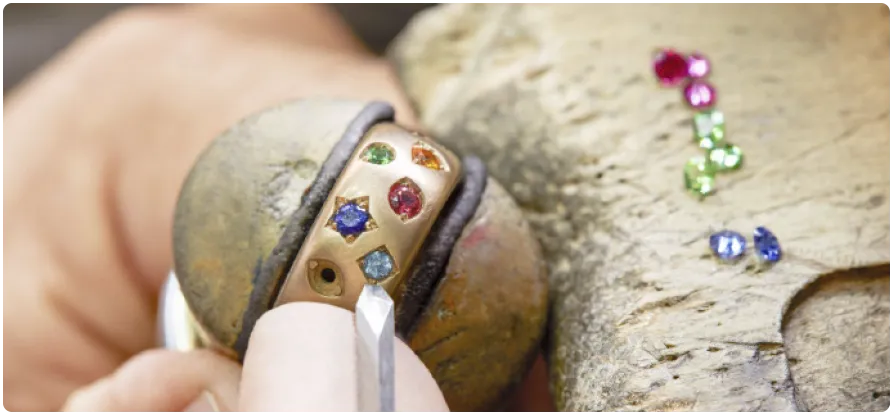 6, Valenza Handles 70% of Italy’s Gems
The Piedmontese district has more than two centuries of jewellery-making heritage, with its creations travelling to markets around the world and making this relatively little-known city a major player in Italian luxury.
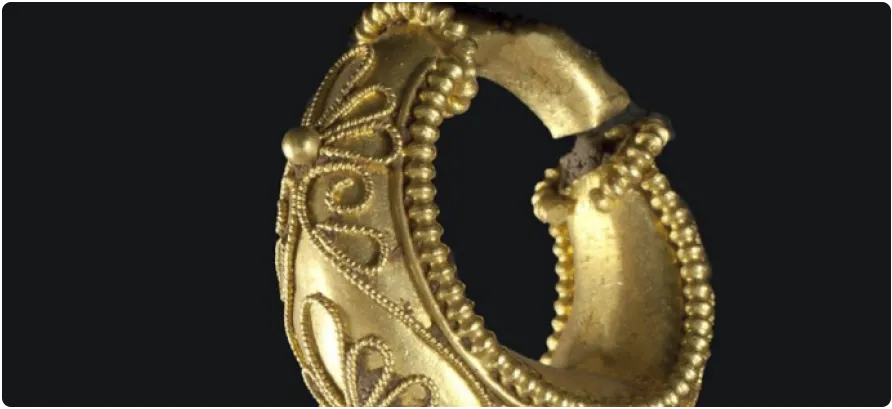 7, Etruscans Mastered Goldwork
The Etruscans were accomplished jewellery makers who mastered techniques including granulation, in which tiny grains of precious metal were painstakingly applied to create intricate decoration. Their work established a tradition of sophisticated Italian metalwork thousands of years before the modern luxury houses.
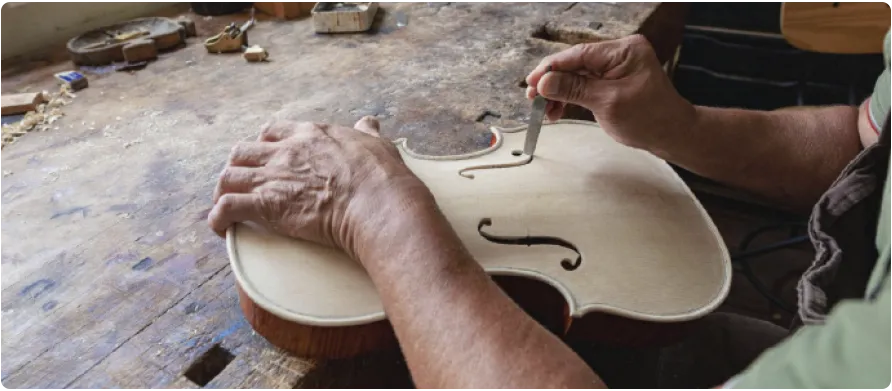 8, Cremona Makes Violins by Hand
UNESCO recognises its traditional violin-making as Intangible Cultural Heritage. A maker may complete just three to six individually constructed instruments a year, hand-shaping and assembling more than 70 wooden pieces.
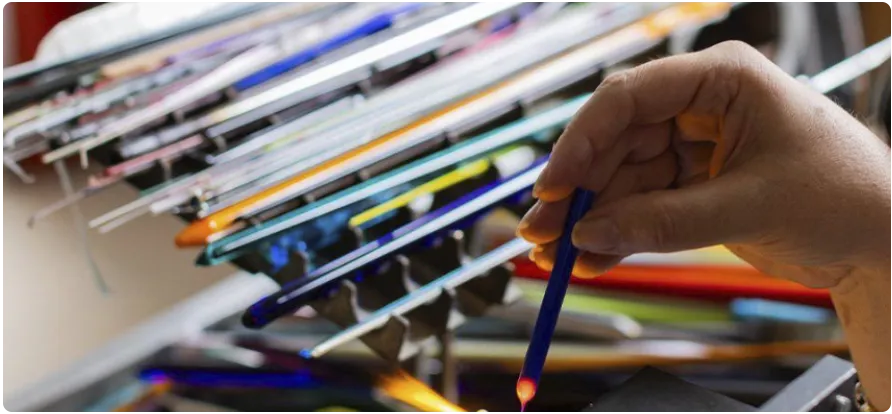 9, Glass Beads Made UNESCO’s List
Added in 2020, the glass-bead tradition shared by Italy and France is closely associated in Italy with Venetian glassmaking, where artisans have developed elaborate techniques using heated glass and coloured canes to create remarkably detailed beads.
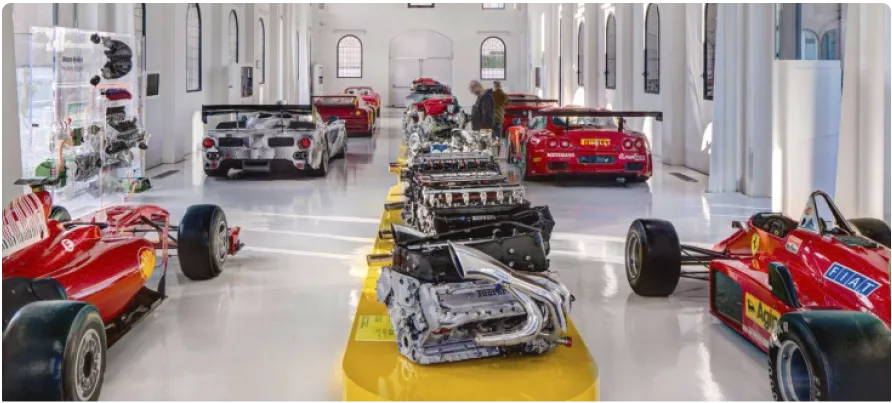 10, Italy Has a Motor Valley
Ferrari, Lamborghini, Maserati, Ducati, Pagani and Dallara all have roots in Emilia-Romagna. A wider network of specialist engineering businesses supports the manufacturers, creating an entire ecosystem for Italian motoring.
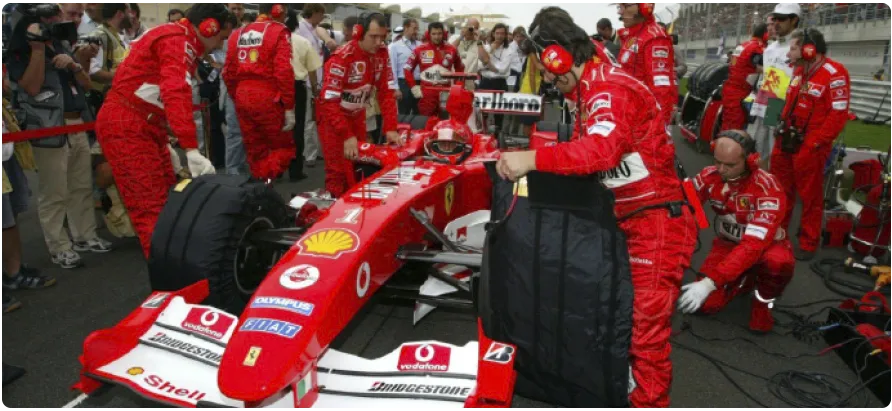 11, Ferrari Won Bahrain’s First F1 Race
When Bahrain International Circuit staged its inaugural Formula One Grand Prix on April 4, 2004, Michael Schumacher won for Ferrari, with teammate Rubens Barrichello second for a one-two finish.
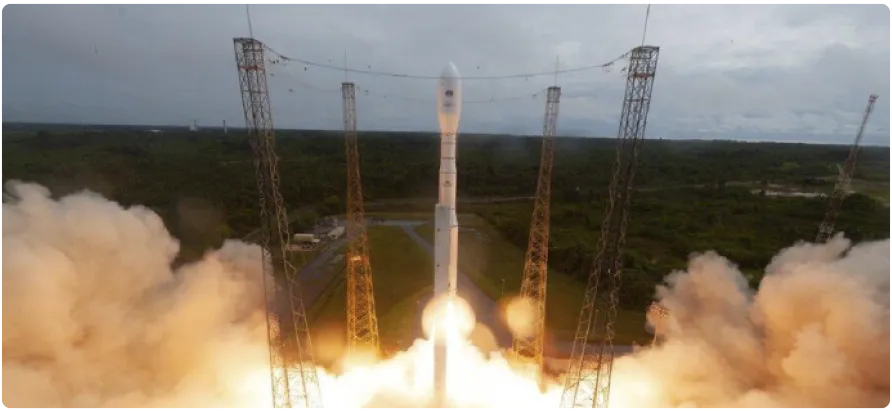 12, Italy Funded 65% of Vega
The space launcher began as an Italian project before being adopted by the European Space Agency. Italy provided around 65% of the funding for its original development, making it the largest contributor to a launcher designed primarily to carry smaller satellites into orbit.
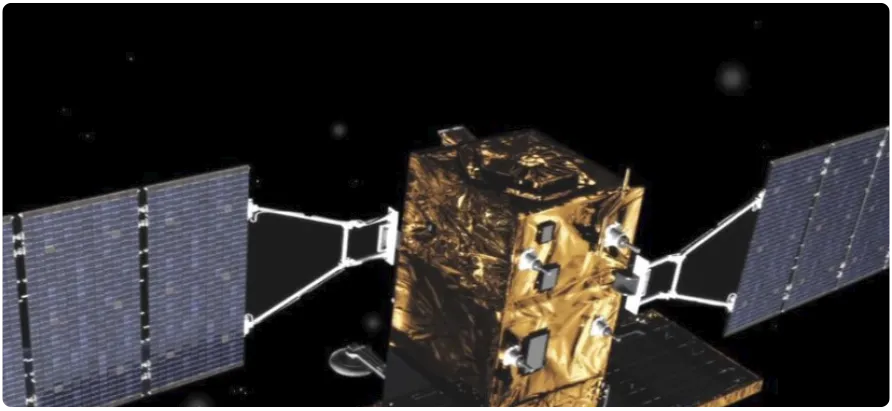 13, Italy Watches Earth by Radar
COSMO-SkyMed is an Italian Earth-observation programme using sophisticated radar satellites, with data supporting applications from environmental monitoring to emergency management. The programme continues to evolve, with the third satellite in its second-generation.
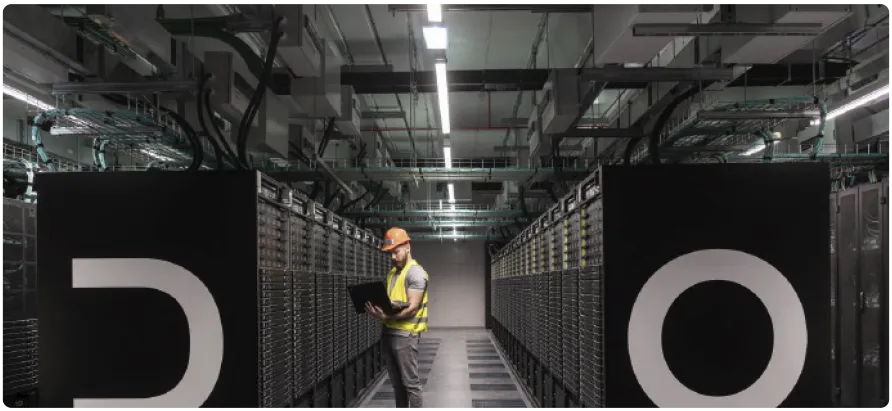 14, Bologna Houses a Supercomputer
Leonardo, housed at the Bologna Technopole and operated by CINECA, provides immense computing power for scientific research, placing the city at the heart of Europe’s high-performance computing network.
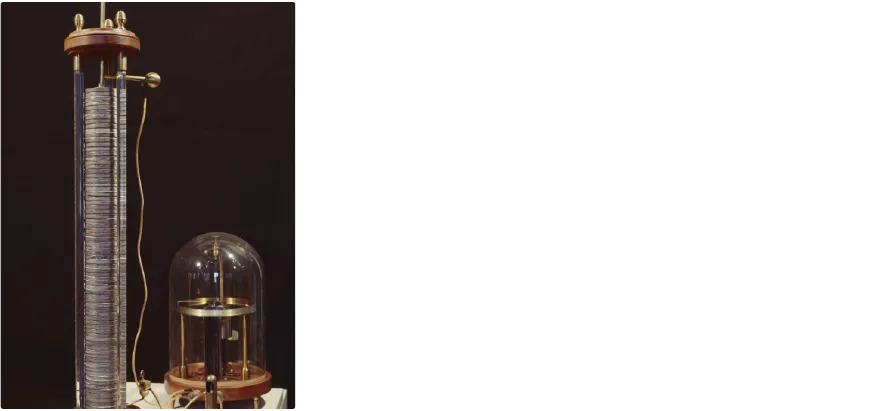 15, The First Battery Was Italian
Every time we talk about volts, we are using the name of an Italian scientist. Alessandro Volta developed the voltaic pile around 1800, creating the first practical source of continuous electric current and paving the way for modern batteries. His contribution was later immortalised in the electrical unit known as the volt.
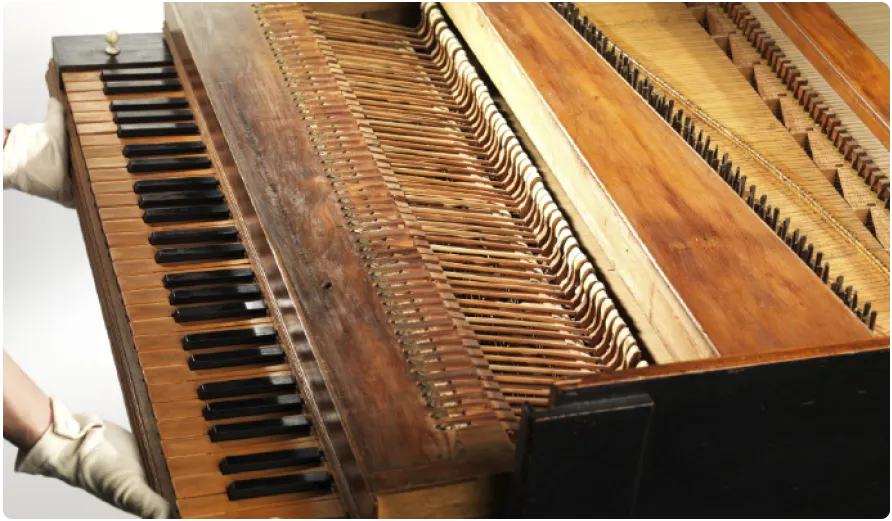 16, Italy Invented the Piano
Padua-born Bartolomeo Cristofori developed the instrument that became the modern piano around 1700 while working at the Medici court in Florence. His mechanism allowed players to control the strength of a note through the touch of the keys, changing the possibilities of keyboard music.
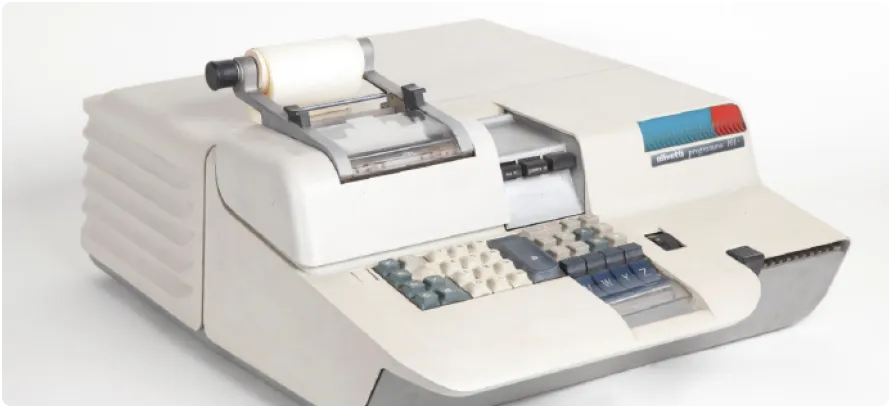 17, Olivetti Pioneered Desktop Computing
Olivetti introduced the Programma 101 in 1965, putting programmable computing into a machine small enough to sit on a desk when computers could occupy entire rooms. Regarded as a precursor to the personal computer, it was also acquired by NASA for work connected with the Apollo programme.
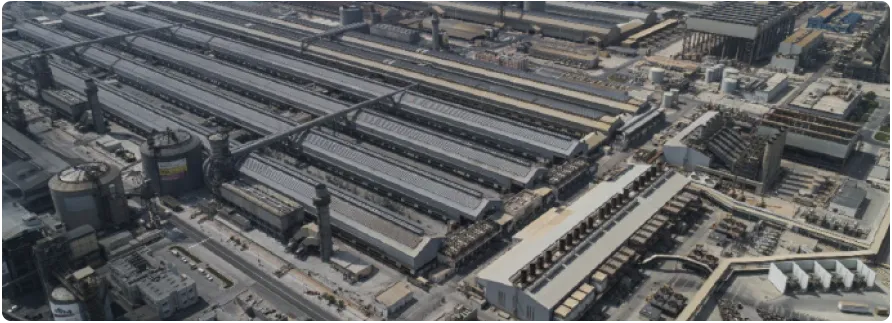 18, Italian Technology Powered Bahrain’s Industry
According to the Italian Embassy in Manama, Bahrain’s industrial development during the 1970s and 1980s made extensive use of Italian machinery and technology. The relationship reaches considerably further back than the Italian fashion and lifestyle brands familiar in Bahrain today..
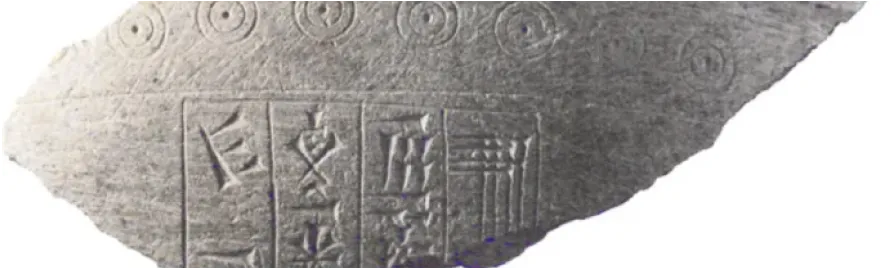 19, An Italian Identified Dilmun’s King
Professor Gianni Marchesi of the University of Bologna analysed Akkadian inscriptions found on stone vessels from the Royal Mounds of A’ali in Bahrain. The research helped identify Yagli-El, a king of ancient Dilmun, adding to the understanding of Bahrain’s early royal history.
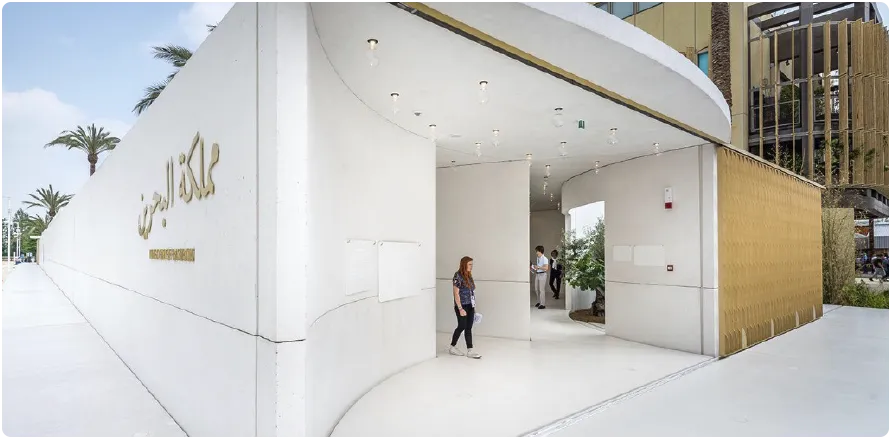 20, Bahrain Won an Expo Milano Prize
At Expo Milano 2015, Bahrain’s pavilion welcomed more than 2.2 million visitors and received the Silver Prize for Architecture in the large-pavilion category. Inspired by Bahrain’s agricultural heritage, the pavilion brought a distinctly Bahraini story to one of Italy’s biggest international events.
Digital Edition
Bahrain This Month
November 2026
Related Articles
A Friendship That Feels Like Family
Sun, 08 Nov 2026
Shared Horizons
Sun, 08 Nov 2026
The Italian Touch
Sun, 08 Nov 2026