











Health Goes High-Tech
by: BTM - Mon, 05 Oct 2026
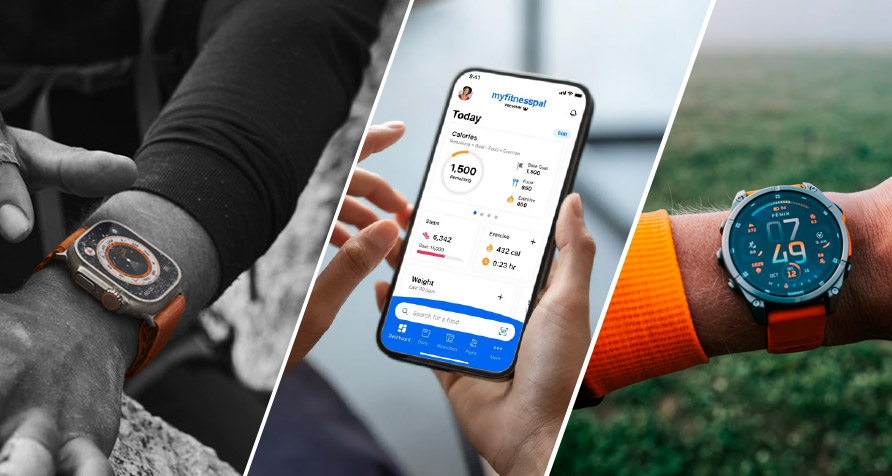
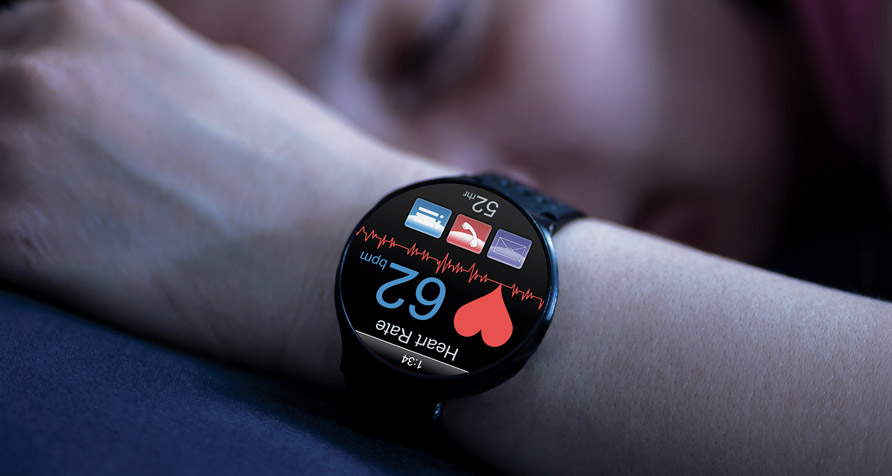
From watches that monitor recovery to apps that adapt every workout, today’s smartest fitness tools bring greater motivation, useful structure and revealing everyday health insights.
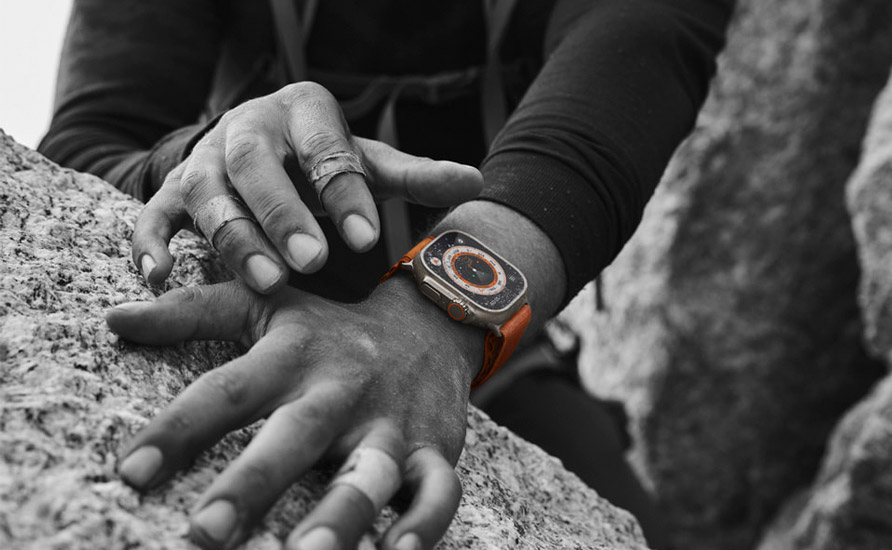 Apple Watch
For iPhone users, Apple Watch remains the strongest all-rounder because its fitness tracking, safety tools and everyday smartwatch features work so smoothly together. It records workouts, heart rate, sleep, temperature trends and activity, then organises everything inside Apple Health. ECG, sleep scores, fall detection and hypertension notifications add valuable context where supported. The main compromise is relatively frequent charging. Choose the current standard model for the widest appeal or the SE version if value matters more than advanced sensors.
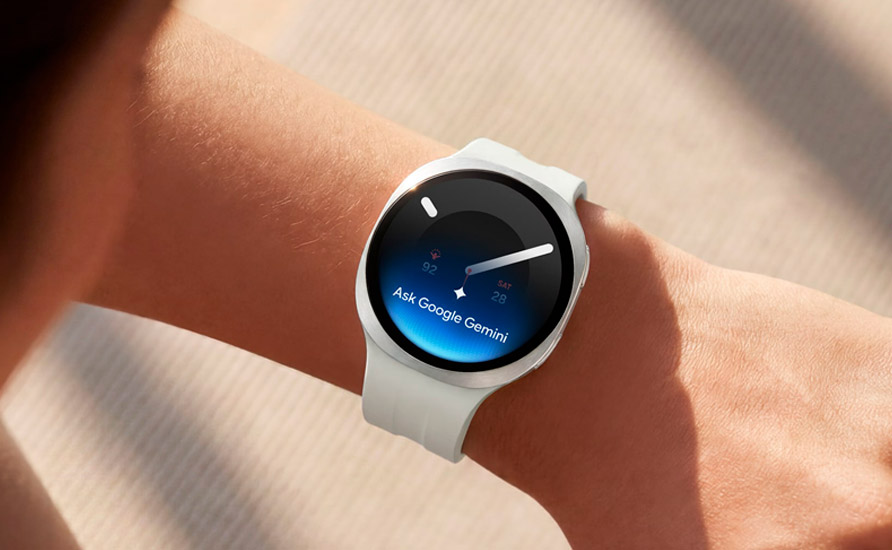
Samsung Galaxy Watch9
Samsung’s Galaxy Watch9 is a strong everyday choice for Android users, particularly those already invested in Galaxy devices. Its slimmer design is intended to remain comfortable during both exercise and sleep. The updated Samsung Health experience organises activity, mindfulness, nutrition, sleep and vital signs, while Vitals compares overnight readings against a personal baseline. Heart Health Score and Daily Cardio Load make complex data easier to understand. Some advanced functions depend on a compatible Samsung phone and availability can vary between countries.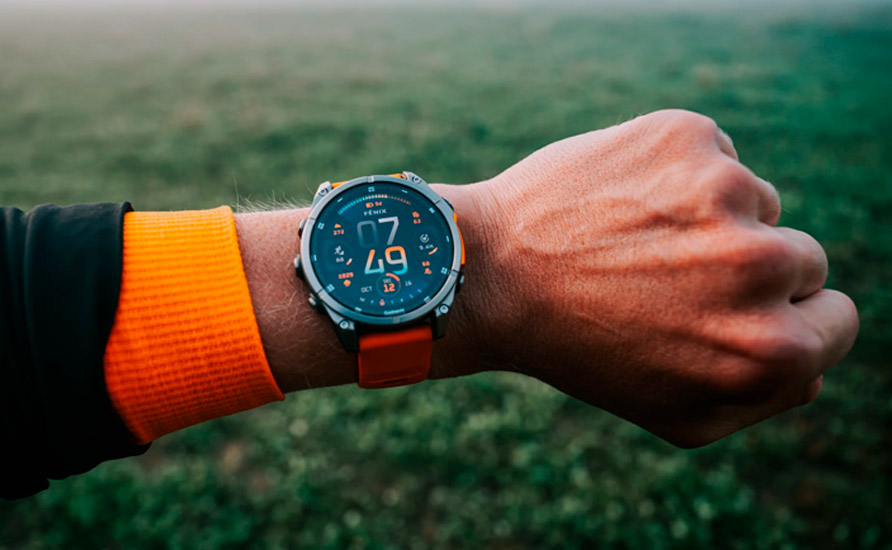 Garmin fenix 9
The Garmin fēnix 9 is built for serious training and outdoor adventure. Detailed mapping, multisport tracking, recovery data and rugged construction suit runners, cyclists, hikers and endurance athletes who value depth over simplicity. The fēnix 9 Pro adds brighter displays and optional phone-free inReach connectivity on selected models. Battery life is a major advantage, reaching up to 31 days on the largest AMOLED Pro or 57 days with solar charging. It is expensive and feature-heavy, but few rivals provide such comprehensive performance data.
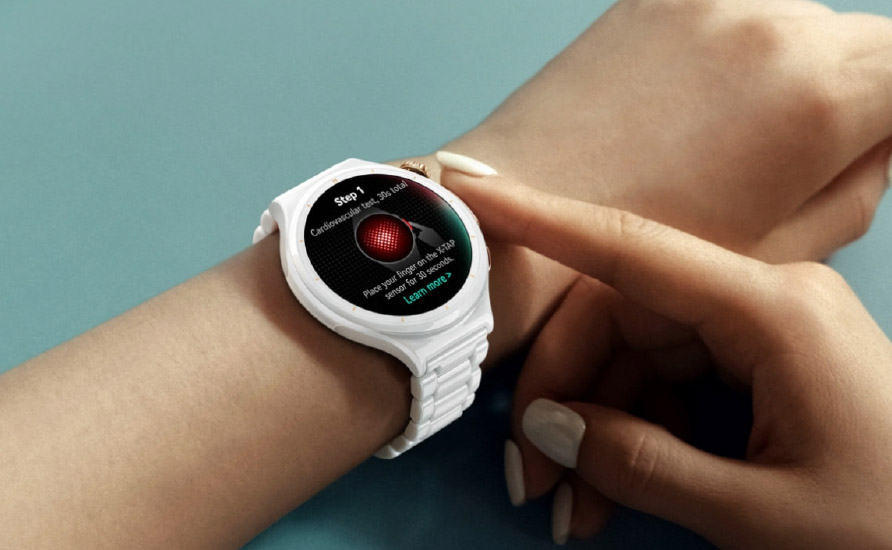
Huawei Watch 6 Pro
Huawei Watch 6 Pro blends high-end materials with ambitious health tracking. Titanium alloy, ceramic options and sapphire glass give it genuine luxury appeal, while its X-TAP sensor can produce a rapid Health Glance covering up to 14 metrics. Readiness information and AI-powered workout analysis connect sleep, activity, heart rate and mood into practical daily suggestions. It also works with both iOS and Android, a welcome advantage. However, particular health functions, eSIM support and AI insights may differ depending on language and region.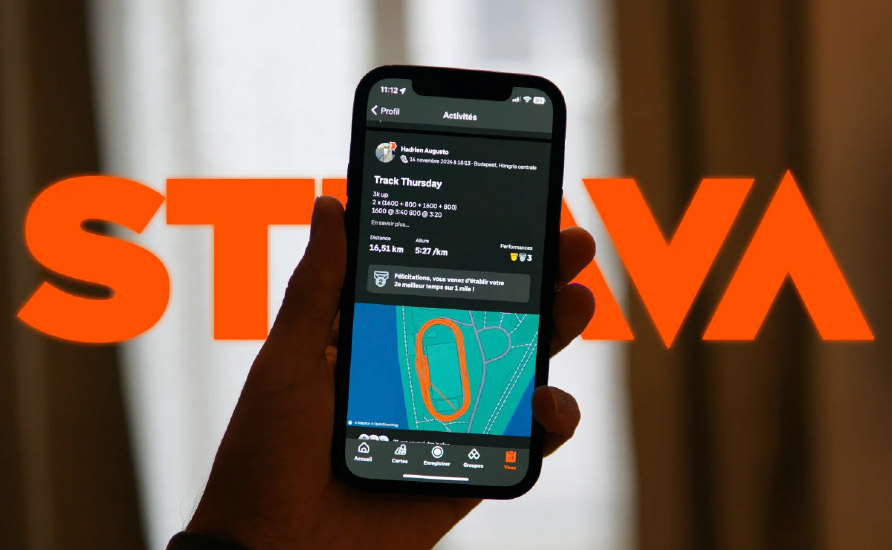
Strava
Strava remains the social home of running, cycling, walking and a growing list of other activities. It records routes and performance, connects with most major watches and turns individual exercise into a motivating community experience. Subscribers also receive Athlete Intelligence, which summarises workout data and highlights patterns across pace, heart rate, power, elevation and recent effort. It is particularly useful for people who enjoy goals, clubs and friendly competition. Just remember that public activity maps can reveal routines, so review privacy settings carefully.
MyFitnessPal
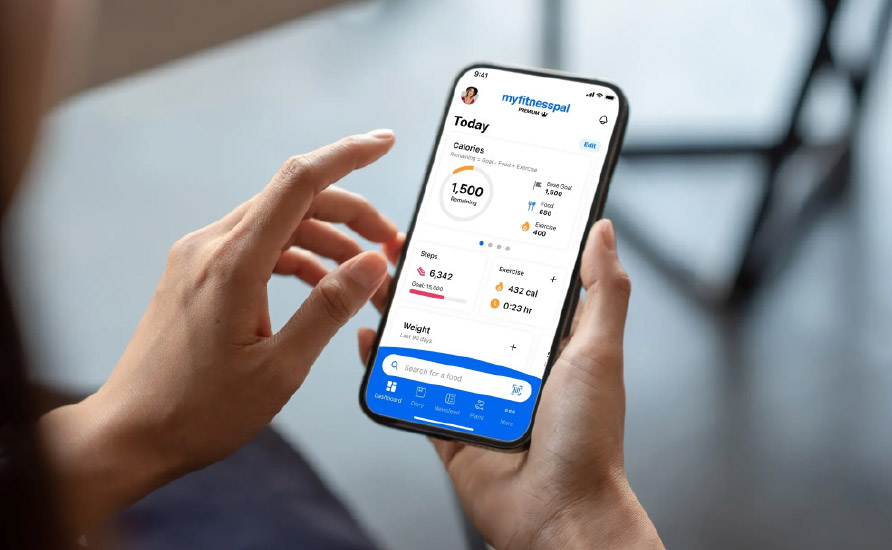
MyFitnessPal is still one of the easiest ways to understand eating habits without carrying a notebook. Its huge food database supports calories, macronutrients, water, exercise and weight tracking, while Meal Scan uses a phone camera to suggest foods from a photograph. The newer AI Nutrition Coach can answer questions using diary entries, targets and food history rather than offering entirely generic advice. Portion estimates still require judgement and some useful features need Premium, but consistent logging can reveal patterns that memory easily misses.
 Apple Health
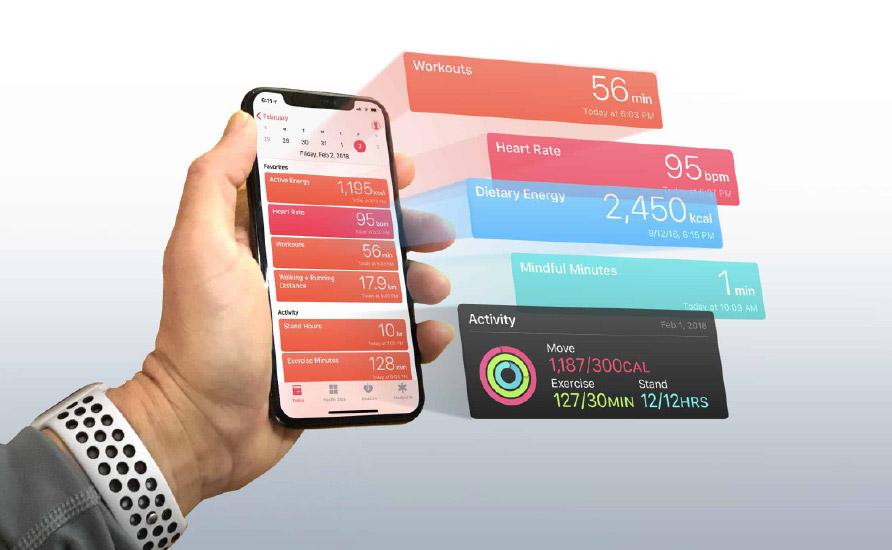
Apple Health is less of a daily coach and more of a secure control centre for wellbeing data. It gathers information from an iPhone, Apple Watch and compatible third-party apps, presenting trends across activity, sleep, medications, heart health and mental wellbeing. Users can decide which categories appear prominently and may share selected information with family or healthcare professionals. Its great strength is consolidation: instead of opening several services, you can view the wider picture in one place. Naturally, it is most useful inside Apple’s ecosystem.
 Runna
Runna
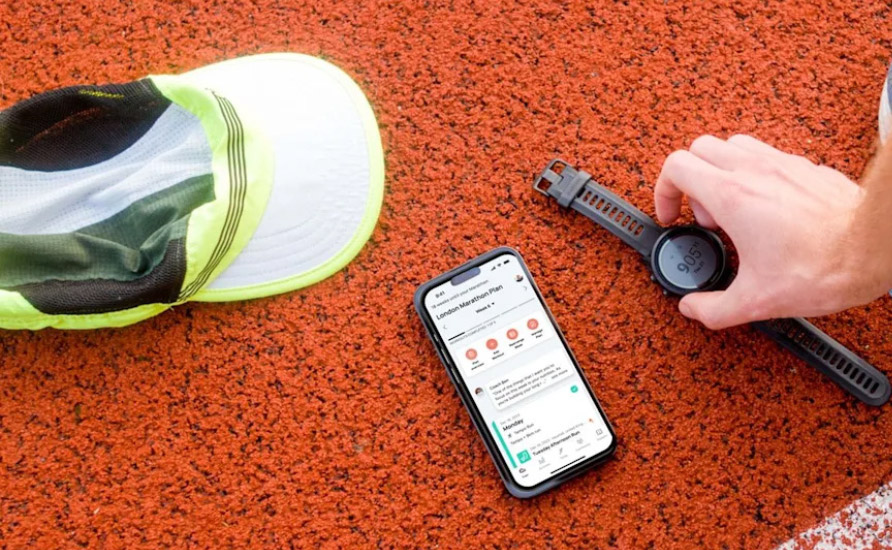
Runna is designed for anyone working towards a running goal, from completing a first 5km to improving a marathon time. After learning your ability, schedule and target, it creates a structured plan with clearly explained sessions. Plans can run from eight to 26 weeks and adapt as performance develops, while calendar tools make missed or moved sessions easier to manage. Garmin, COROS and Apple Watch integration brings workouts directly to the wrist. It is focused rather than broad, making it ideal for runners who want direction.
 Fitbod
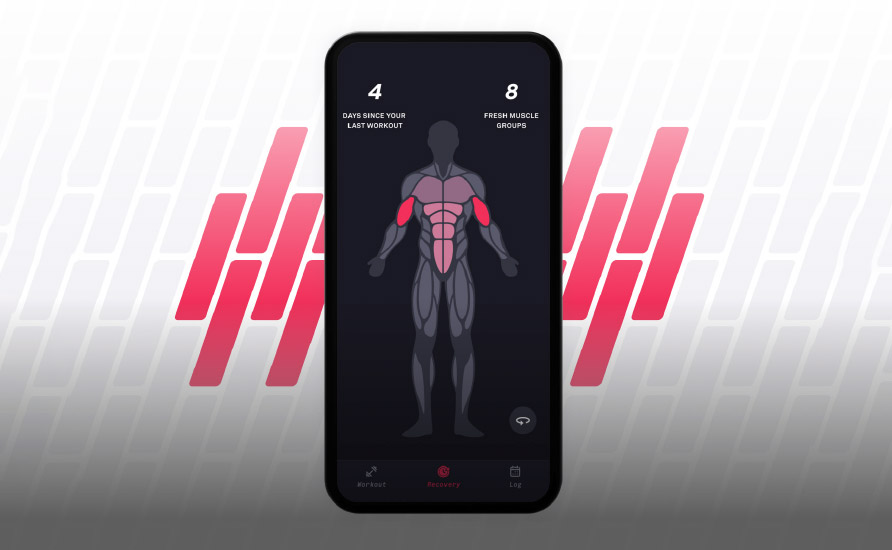
Fitbod is the standout option for people who enter a gym and immediately wonder what to do. Its algorithm builds strength sessions around goals, experience, available equipment, training history and estimated muscle recovery. Recommendations change as exercises are completed, using progressive overload to keep the programme moving forward. Demonstration videos and easy substitutions help when a machine is busy or an exercise feels unsuitable. It cannot assess technique like a qualified coach, but it removes much of the planning friction that causes inconsistent gym training.
 Freeletics
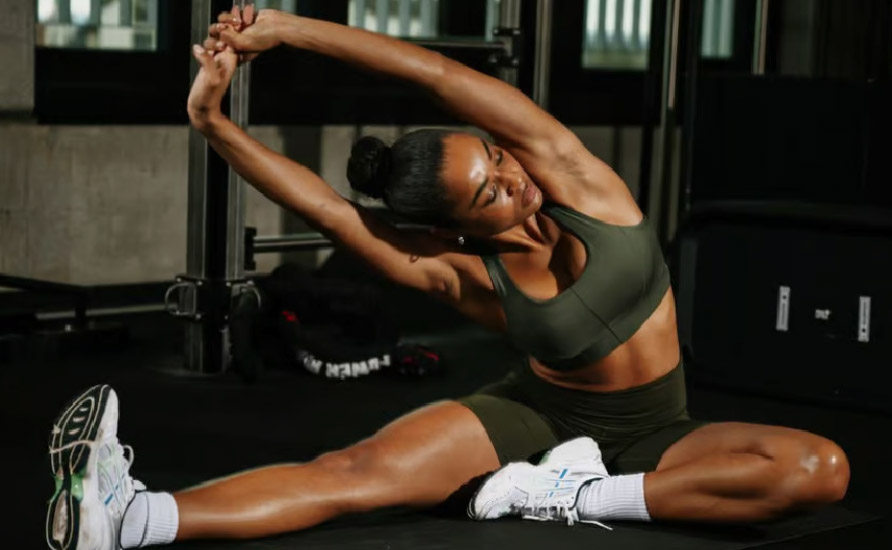
Freeletics suits people who want personalised training without depending on a fully equipped gym. Its AI Coach creates bodyweight, strength and high-intensity sessions based on ability, goals, feedback and progress. Workouts can usually be adjusted for limited space, quiet training, time constraints or available equipment, making the app useful at home or while travelling. Sessions are demanding and the motivational style is deliberately energetic. Beginners should prioritise movement quality and honest feedback, since an algorithm cannot see poor form or investigate persistent pain.
Digital Edition
Bahrain This Month
October 2026
Related Articles

From Sakhir to Sepang
Mon, 05 Oct 2026
A Healthier Way Forward
Mon, 05 Oct 2026
The New Health Rules
Mon, 05 Oct 2026