



Bridging Bilateral Bonds
by: BTM - Tue, 05 Aug 2025
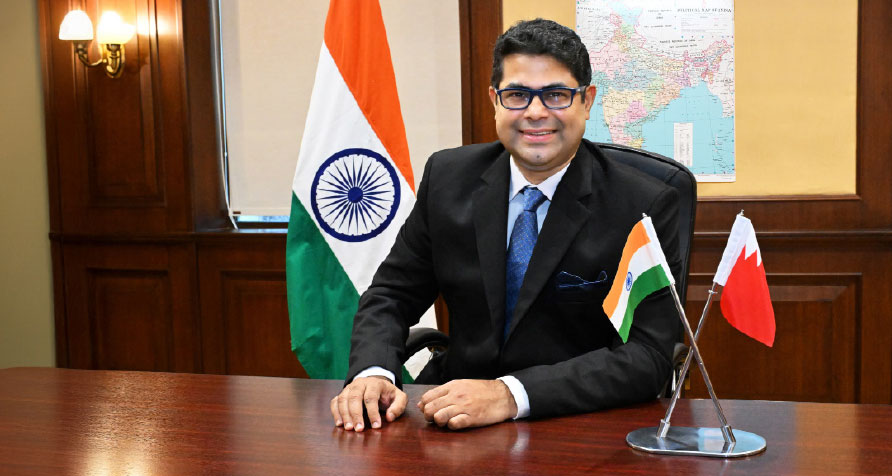
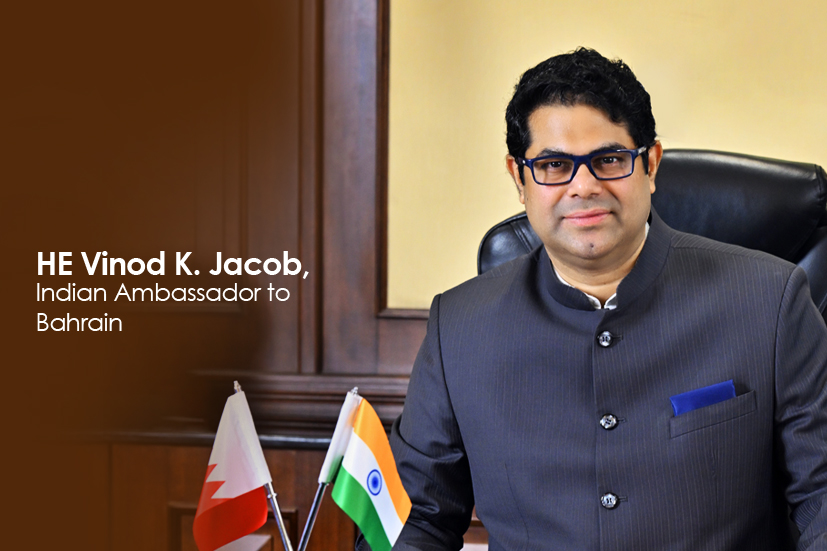
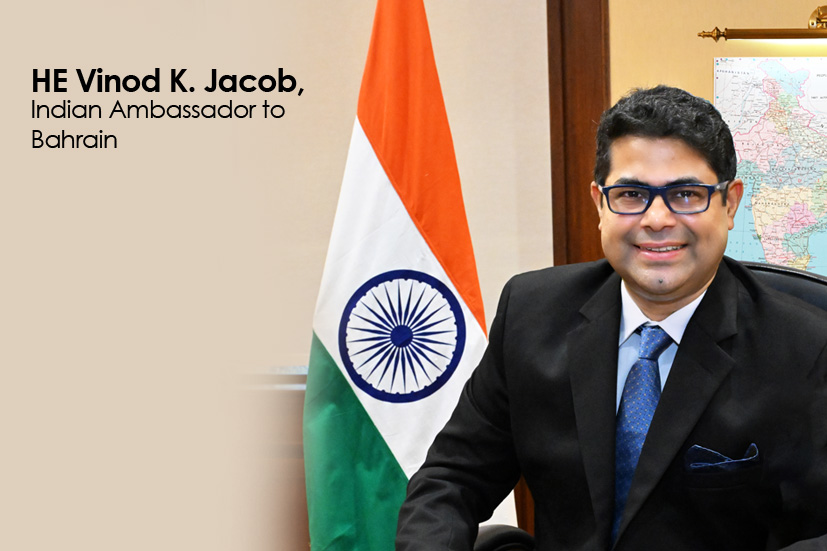
Kristian Harrison sat down with His Excellency Vinod K. Jacob, Ambassador of India to the Kingdom of Bahrain, for an exclusive conversation as part of our India in Bahrain supplement, discussing diplomacy, trade, culture and the Indian community.
Excellency, please can tell us about your diplomatic career to date?
This is my first ambassadorial posting, and I arrived in Bahrain in August 2023. Over the past two and a half decades, I’ve worked in four key areas. First is multilateral diplomacy. I was posted at the Permanent Mission of India to the United Nations between 2009 and 2013, including when India was a non-permanent member of the UN Security Council in 2011 and 2012. I had the opportunity to engage in some important elections, including the historic re-election of Judge Bhandari to the International Court of Justice in 2017, in which I served as a campaign officer.
Second, I’ve worked extensively on India–China relations. That spans almost 12 years in Beijing and New Delhi. The third specialisation, in which I spent two and a half years, is India’s relationship with neighbouring countries, particularly Pakistan, Afghanistan and Iran. Lastly, economic diplomacy. Before coming here, I served as the Deputy High Commissioner to Sri Lanka and later as Director General of Economic Diplomacy in the Ministry of External Affairs in Colombo.
India and Bahrain marked 50 years of diplomatic ties recently. What’s your perspective on the current relationship?
India and Bahrain have a very strong bilateral partnership, and it’s growing stronger with each year. Our country is transforming rapidly. When I landed in Bahrain, India was the fifth-largest economy. Now, we’re fourth. According to the World Bank, India has the fourth-most equal society globally, and our social protection net now covers over 940 million people, a shift from 25 percent to 65 percent in five years. These figures illustrate how far we’ve come.
The bilateral numbers speak for themselves. Since the visit of Prime Minister Narendra Modi to Bahrain in 2019, we’ve seen a 45 percent increase in Indian investments into Bahrain. That now totals around US$1.9 billion. And trade between our countries has stabilised, despite global fluctuations. Bahrain actually had a trade surplus with India last year, a balance showing the depth and maturity of our partnerships. In 2023 alone, over one million Indian tourists visited Bahrain, showing just how strong our people-to-people connections are.
Which sectors are particularly vibrant in terms of trade and economic engagement?
Despite challenges like the pandemic and global economic pressures, bilateral trade has remained strong and steady. For example, trade peaked at around US$1.9 billion three years ago, stood at US$1.7 billion the year after, and closed at approximately US$1.64 billion this past year. Such consistency, especially in the post-COVID world, is encouraging.
Importantly, there’s a near-parity in trade. Bahrain had a surplus of around US$50 million. Indian imports from Bahrain largely consist of base metals, aluminium and steel. On the export side, we supply rice, meat and dairy products. We’ve also had vibrant business exchanges. The Bahrain India Society led a delegation to southern India, while organisations such as FICCI and APEDA have visited Bahrain, promoting agro products and trade partnerships.
Since your arrival, what would you say are the standout moments or milestones?
I would highlight two key areas: high-level political engagement and economic results. Bahrain hosted the fourth High Joint Commission meeting last December, co-chaired by India’s External Affairs Minister, Dr. S. Jaishankar, and Bahrain’s Foreign Minister, Dr. Abdullatif bin Rashid Al Zayani. Their discussions showcased alignment on key global issues, including the situation in the Middle East.
India strongly supported Bahrain’s proposal for an International peace conference in the Middle East. We also reiterated our commitment to the two-state solution for Palestine. India has provided up to US$500 million in aid, development and budgetary support to Palestine through UNRWA and in development projects like hospitals and vocational training. Beyond geopolitics, I see our growing trade and investment numbers as concrete outcomes of this deepening partnership.
Tourism is a growing area of interest. What initiatives is the Embassy pursuing to promote travel to India?
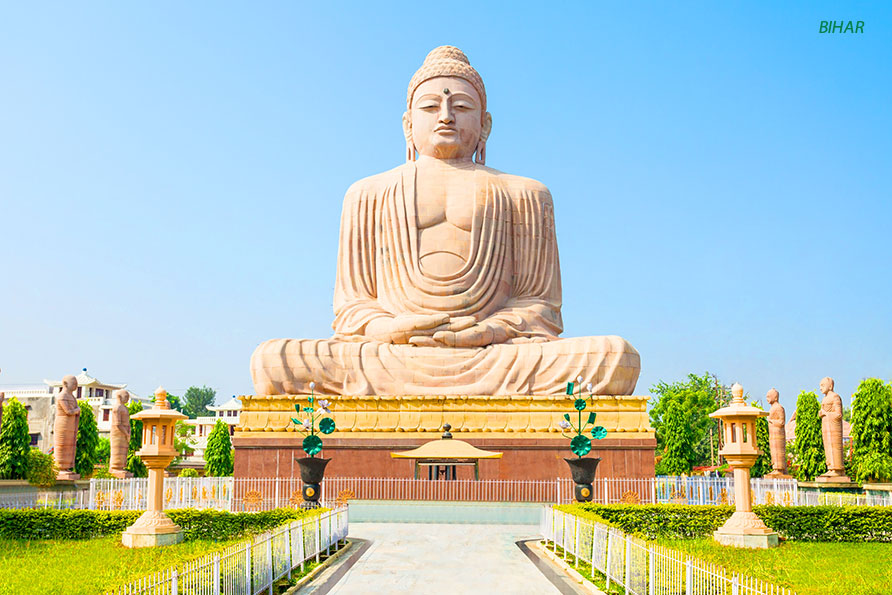
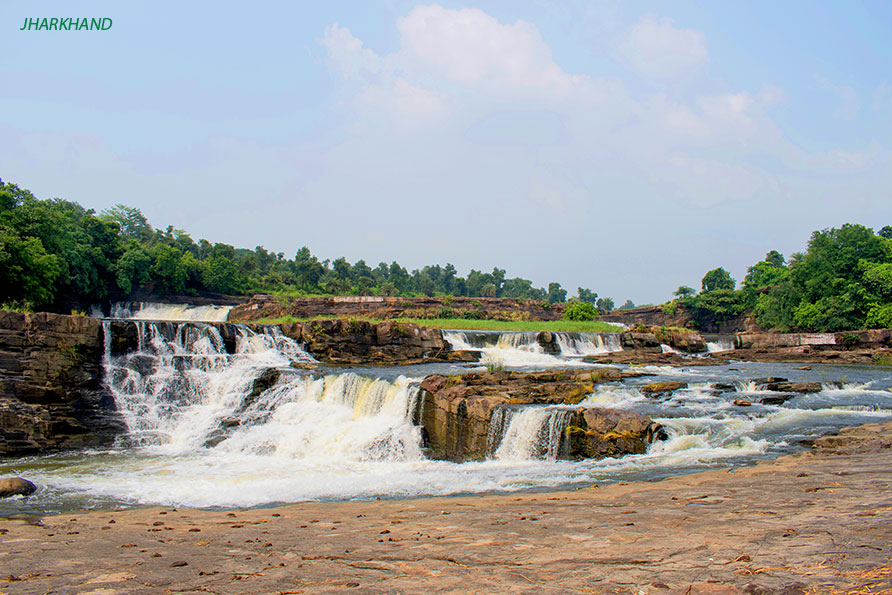
Tourism is close to my heart. We’ve launched a Focus State or Union Territory Initiative, where we spotlight a region every two months. Right now, we’re focusing on Bihar and Jharkhand, showcasing their tourism appeal, crafts and business products through the ‘One District, One Product’ initiative.
Another initiative is the ‘Visit Embassy’ programme, where we’ve invited students from 12 Bahraini government schools to the Embassy. This helps sow the seeds of curiosity and future engagement. We’re also active in promoting medical and wellness tourism, especially for Bahrainis and the wider expat community.
You’ve travelled extensively in India. Which places have stood out to you recently?
I recently visited Kochi and Ladakh. Ladakh especially has transformed dramatically since my last visit over two decades ago. From agriculture to crafts and hospitality, the progress is tangible. India changes so fast that every time you return, even after a year or two, it feels like visiting a new country. I often say visit India twice a year, pick two new places each time, and you’ll still only scratch the surface after a decade.
How does the Embassy support Indian cultural promotion in Bahrain?
We work hand-in-hand with the Bahraini government and private stakeholders. Earlier this year, we hosted two Indian Film Festivals, screening films in Hindi, Punjabi and Marathi. We also organised the ‘India in Bahrain’ cultural festival at Lulu Hypermarket in Dana Mall.
The 11th International Day of Yoga was another standout event, with several curtain raisers and community engagement. Bahrainis are already deeply familiar with Indian culture, from Bollywood to cuisine, from dance to traditional medicine. What we try to do is deepen that appreciation, especially with newer generations.
What about the educational front? Are there scholarships or collaborations underway?
Absolutely. Education is a growing part of our engagement strategy. We promote scholarships such as ICCR, ITEC and SPDC for Indian students and Bahraini nationals. Our ‘Visit Embassy’ programme targets younger school students to raise awareness of higher education opportunities in India. With over 1,000 universities, India has become a key education destination for countries around the world. We would love to see more Bahrainis studying in India.
With Indian Independence Day approaching, what message would you like to share with the community in Bahrain?
We will be celebrating with a flag-hoisting ceremony on August 15 and the reading of the speech of the Honourable President of India, Madam Droupadi Murmu. There will be emphasis on opportunity for investors and collaborators, from smart cities to manufacturing. We’ll continue showcasing Bihar and Jharkhand during the festivities.
To the Indian community: you are the backbone of this bilateral relationship. Your contribution to Bahraini society and the economy is invaluable. Bahrain is a tolerant and welcoming nation. I urge all Indian nationals to remain respectful of local laws and customs, continue to be calm in challenging situations and deepen your integration in this beautiful country. Together, we can make our partnership even more resilient and we will continue to support Bahrain in all its regional and international aspirations including for the upcoming term in the UN Security Council.
Digital Edition
Bahrain This Month
October 2026
Related Articles

A Legacy of Giving
Mon, 05 Oct 2026
A Patient-First Future
Mon, 05 Oct 2026
Bound By Brotherhood
Fri, 04 Sep 2026
Videos