


From Potential to Performance - Building Structured Pathways for the Next Generation.
by: BTM - Wed, 11 Mar 2026
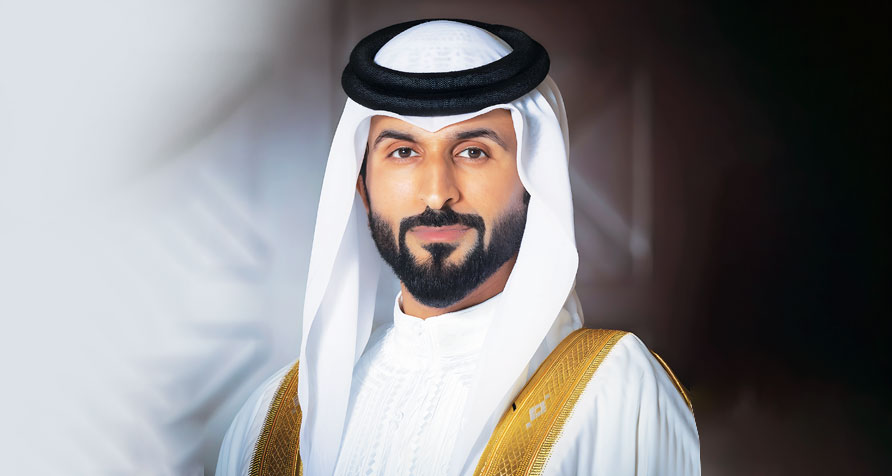
As National Security Advisor, Commander of the Royal Guard, Secretary-General of the Supreme Defence Council, Representative of His Majesty the King for Humanitarian Work and Youth Affairs and President of the Supreme Council for Youth & Sports, His Highness Shaikh Nasser bin Hamad Al Khalifa reflects on service, leadership and Bahrain’s next chapter for youth and sport.
Your Highness, when you look back on your life and career so far, what moment most clearly shaped your sense of duty as a son of His Majesty King Hamad bin Isa Al Khalifa and as a Bahraini public servant?
Duty is not a single moment, it is a mindset formed over time. The most defining moments are often quiet ones: witnessing the discipline of those who serve the nation, seeing families strengthened by opportunity and understanding that trust is earned daily. As a Bahraini, you grow up with a strong sense of community. In my position, you also inherit a clear expectation to place the country first, to listen carefully and to act with steadiness. When you lead, your decisions affect real lives, so humility becomes essential.
As President of the Supreme Council for Youth & Sports, what single change would you most like to see in youth development over the next five years and how can families and schools support it?
I would like to see a stronger culture of structured development that connects talent to pathways. We have many gifted young people, but talent needs systems around it: identification, coaching, competition, education and clear progression from grassroots to elite. Over the next five years, I want every young person to feel that there is a place for them in sport, culture, innovation or service, and that the route forward is visible. Families can support this by encouraging commitment and healthy habits, not only winning. Schools can support it by treating sport and wellbeing as part of a complete education, and by working closely with clubs, academies and community programmes. When education and sport reinforce each other, you develop confident, capable citizens.
Bahrain’s youth often speak about ambition, but also pressure. What do you believe is the healthiest way for young people to pursue excellence without burning out?
Ambition is valuable when it is guided by purpose and balanced by wellbeing. I encourage young people to set high standards, but to do so with patience and self-respect. Excellence is not achieved through intensity alone, it is achieved through consistency. That means building routines that protect sleep, health and family time, and understanding that rest is part of performance, not the opposite of it. I also believe we must normalise asking for help, whether from teachers, coaches, mentors or professionals. Families and schools can support young people by celebrating progress, not only results, and by teaching practical skills: time management, emotional regulation and resilience.
Outside sport, what is one difficult discipline you’ve built that most people wouldn’t see?
Discipline is often invisible because it happens long before the public sees the outcome. For me, one of the hardest disciplines is decision discipline: training yourself to separate what is urgent from what is important, and to stay calm when others want immediate answers. In leadership roles, you are constantly presented with competing demands. It is easy to be reactive. The harder path is to slow down enough to gather facts, consult the right people, consider consequences and then commit with clarity.
Bahrain is often described as adaptive. What lessons from national leadership do you think apply directly to personal leadership in everyday life?
Knowing your values, then being flexible in how you achieve your goals. Another lesson is the importance of listening. Good leadership is not only speaking, it is understanding. When you listen well, you can respond to what is real rather than what you assume. Adaptation also requires learning. Nations progress when they learn from others without losing their identity. Individuals progress in the same way: keep your roots, but keep expanding your perspective. Finally, leadership is service. Whether you are leading a team at work or supporting your family, the strongest leadership asks: what do others need in order to succeed?
You balance multiple high-responsibility roles. How do you make decisions when values, time and public expectations all collide and what principle never changes for you?
When values, time and expectations collide, you return to fundamentals. First, what serves Bahrain’s long-term interest. Second, what is fair, lawful and aligned with our institutions. Third, what protects people and strengthens trust. In complex situations, not every decision will satisfy every expectation, but the decision must be consistent with principle and supported by evidence.
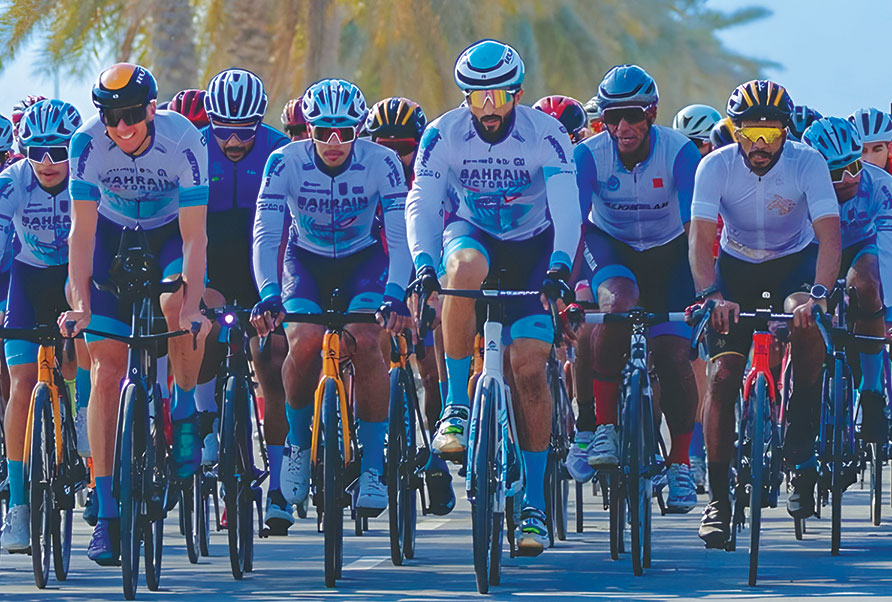
Bahrain’s rise in the sports world has been striking, from equestrian achievements to cycling’s Team Bahrain Victorious and major youth events. What is next and how important is infrastructure in taking the next step?
Sport is a powerful expression of national ambition, unity and capability. Bahrain’s achievements are the result of investment, planning and a belief that our athletes can compete at the highest levels. What comes next is deepening the base while strengthening elite performance. That means developing coaching standards, sports science, talent pathways and broader participation so that the pool of potential champions continues to grow.
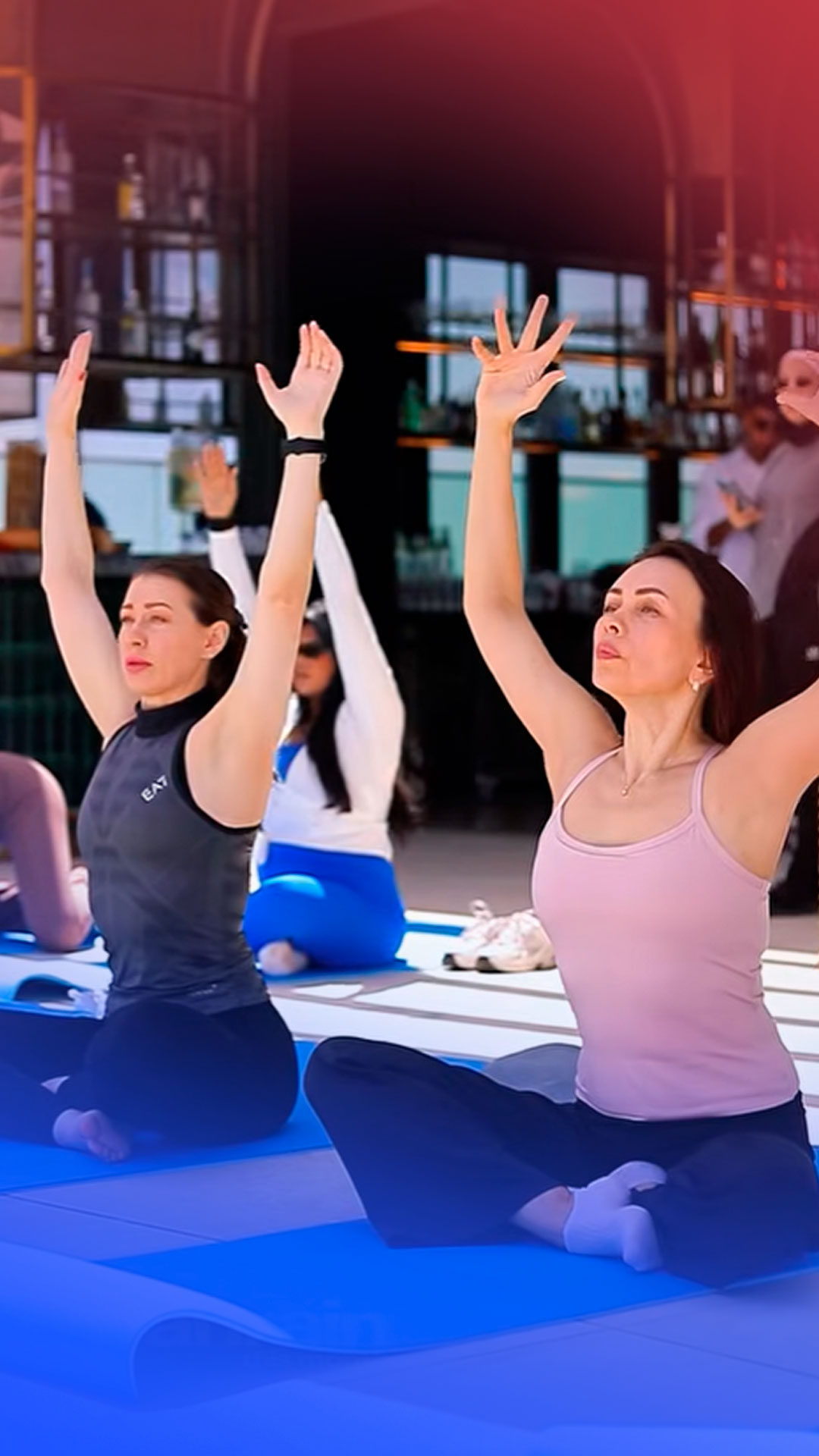
How would you encourage Bahrain’s youth to be more active and healthier? Does this require more physical education in the national curriculum or national initiatives like academies?
Health is a national asset. A healthier generation is more resilient, more productive and more confident. Encouraging activity starts with making movement normal and accessible: safe spaces to walk, cycle and play, well-run school programmes, community leagues and affordable pathways into different sports. Physical education in schools is essential because it creates habits early, and it also teaches teamwork, discipline and confidence. At the same time, national initiatives can accelerate progress by offering academies, coaching support and structured programmes that connect young people to the right environments.
Digital Edition
Bahrain This Month
October 2026
Related Articles
A Legacy of Giving
Mon, 05 Oct 2026
A Patient-First Future
Mon, 05 Oct 2026
Bound By Brotherhood
Fri, 04 Sep 2026
Videos