









Smart Eating,Strong Kids
by: BTM - Sat, 11 Apr 2026

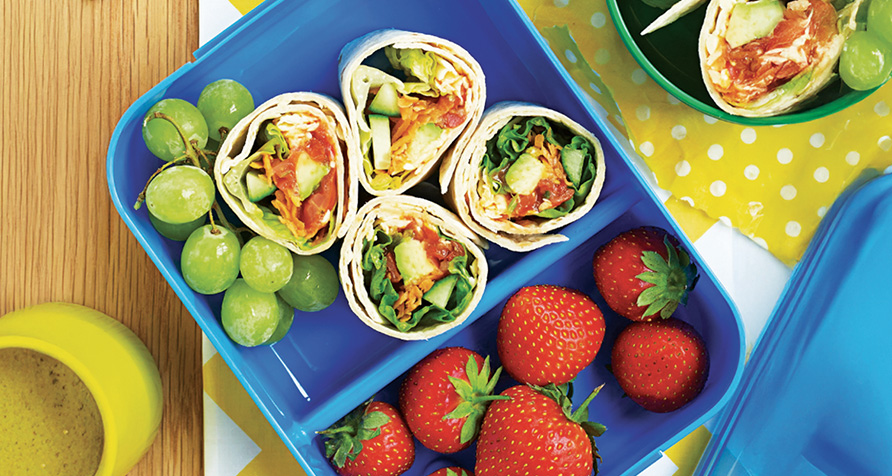
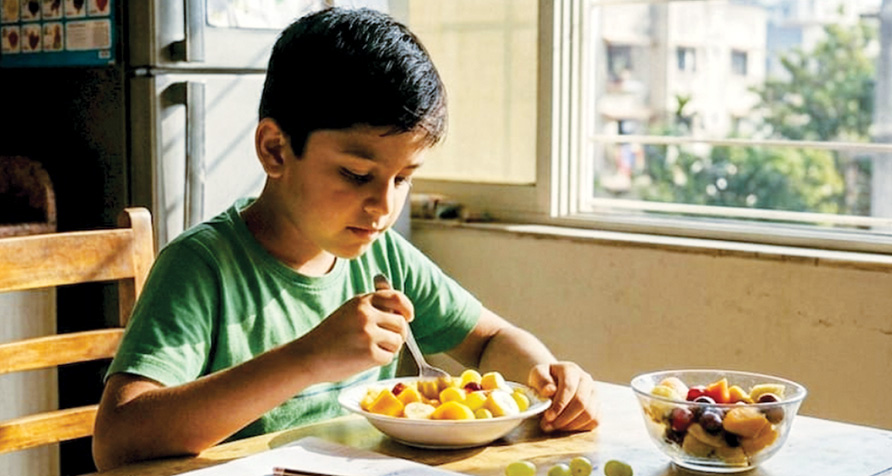
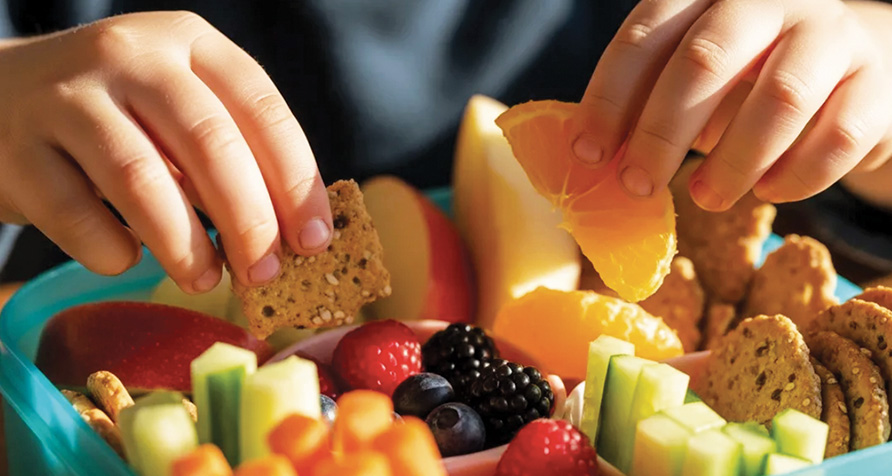

With busy routines and easy access to processed food, building healthy eating habits early has become a practical priority for families in Bahrain. The focus is on giving children the nutrients they need to grow, learn and stay well.
Healthy eating for children should be straightforward. What matters is balance, consistency and clear daily choices. For parents managing school schedules and home life, a simple structure makes it easier to stay on track.
What Children Actually Need
A child’s diet can be broken down into five key components, each supporting a specific aspect of development.
Protein supports growth. It builds muscle, repairs tissue and helps children stay full. Eggs, chicken, fish, lentils and yoghurt are practical options.
Carbohydrates provide energy. They support focus at school and activity throughout the day. Rice, oats, wholegrain bread and potatoes offer steady energy.
Healthy fats support brain function. These play a role in memory and concentration. Nuts, olive oil and avocado are easy to include in meals.
Vitamins and minerals support immunity. Fruits, vegetables and dates help protect against illness and support overall health.
Water supports daily function. Hydration affects energy, focus and physical performance and should be maintained throughout the day.
Building Balanced Meals That Work
Rather than focusing on individual foods, it is more useful to think in proportions. A balanced plate provides a clear starting point that can be adapted to different meals and preferences.
Half the plate should be fruits and vegetables. A quarter should be protein, with the remaining quarter made up of carbohydrates and small amounts of healthy fats added alongside. This approach works across everyday meals without requiring major changes to what families already cook.
Many of the most useful foods for children are already familiar. Dates provide natural energy and iron, while citrus fruits such as oranges and mandarins offer vitamin C. Yoghurt supports gut health, which plays a role in immunity. Eggs provide both protein and essential vitamins, while spinach delivers iron and antioxidants. Fish supports brain development as well as immune health, and honey can be included for children over the age of one.
These are not specialist ingredients. They are widely available, simple to prepare and easy to include in daily meals.
Daily Routine and Practical Habits
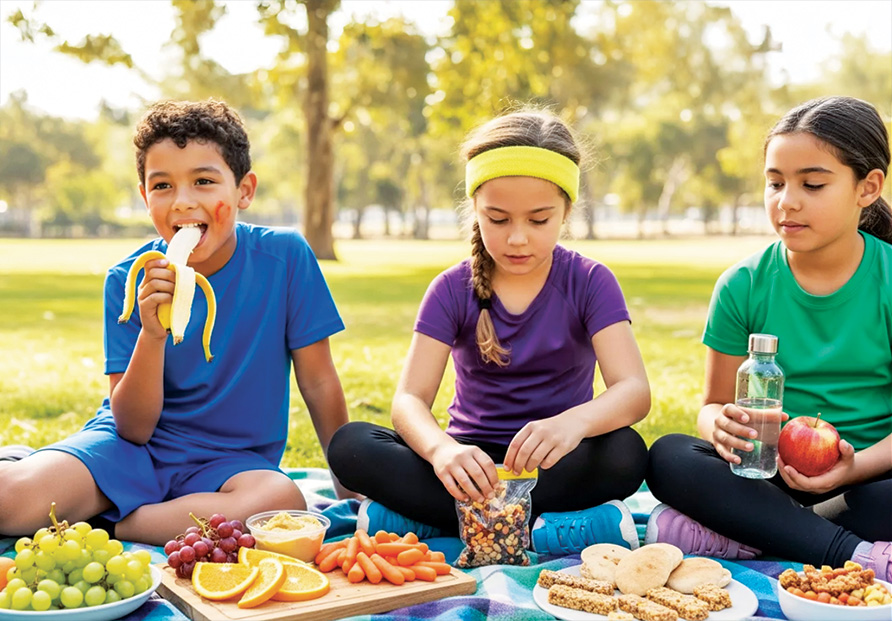
A consistent routine helps maintain energy levels and reduces reliance on processed snacks. Breakfast should be filling and steady, with options such as oats with milk and dates or eggs with wholegrain toast providing a strong start to the day.
During school hours, simple snacks such as fruit with a handful of nuts or yoghurt are usually enough. Lunch can follow a familiar pattern, including rice with chicken or fish and vegetables or lentils served with bread. After school, options such as a smoothie or hummus with vegetables provide a more balanced alternative to packaged snacks, while dinner can remain light, with soups, eggs or leftovers from lunch often sufficient.
The main challenges tend to come from convenience. Sugary drinks, biscuits and processed snacks are easy to reach for, while skipping breakfast can affect both energy and concentration. Hydration is also often overlooked, particularly during busy days.
How food is offered matters as much as what is served. Forcing children to eat can create resistance, while guiding choices and offering variety builds more sustainable habits. Keeping healthy options visible, preparing snacks in advance and maintaining regular meal times all make better choices easier.
Children also take cues from what they see. Eating habits at home are shaped by parental behaviour, making consistency within the household an important factor.
Understanding Sugar and Processed Foods
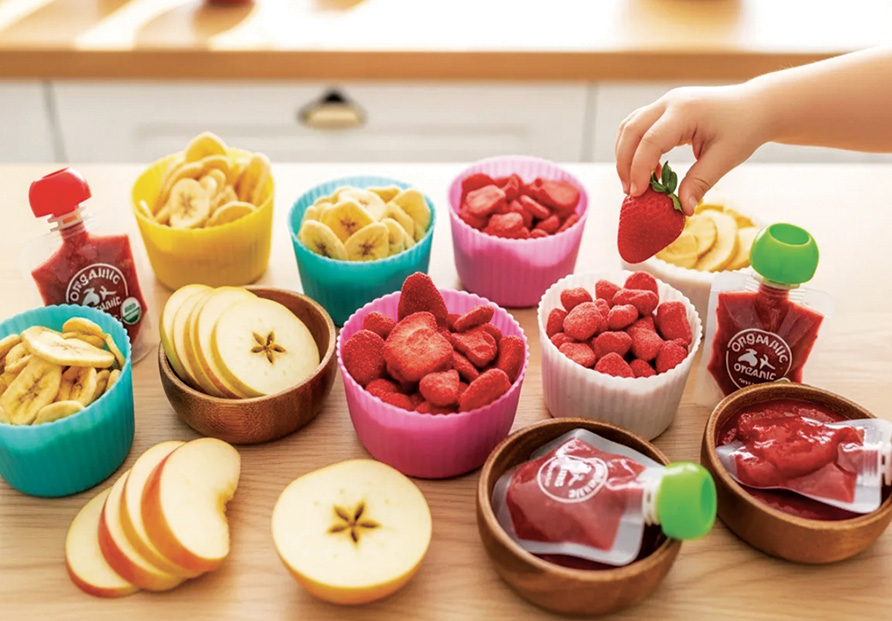
One area that requires particular attention is sugar intake. Many foods marketed towards children, including juices, flavoured yoghurts and snack bars, contain more sugar than expected. Regular consumption can affect energy levels, concentration and dental health.
Ultra-processed foods are also designed to be highly palatable, which can make it harder for children to recognise natural hunger and fullness cues. Over time, this can lead to a preference for convenience foods over balanced meals.
This does not mean these foods need to be eliminated completely. A more practical approach is to treat them as occasional rather than routine. Reading labels, choosing whole food alternatives where possible and keeping sugary options out of immediate reach can significantly reduce overall intake without creating restriction.
A Simple Check
Healthy eating does not require perfect meals. What matters is consistency across the week and a balanced approach over time.
A simple way to assess this is to ask one question at the end of the day: did your child eat at least one fruit, one vegetable and one source of protein?
If the answer is yes, the essentials are already in place.
Digital Edition
Bahrain This Month
October 2026
Related Articles

Always Something Extraordinary
Mon, 05 Oct 2026

A Decade in Rhythm
Mon, 05 Oct 2026

Teeing off for Charity - 27 years of AMH Golf Tournament
Mon, 05 Oct 2026